Explore our high-performance drawer, cantilever, and push-back racking configurations for industrial molds.



An in-depth analysis of manufacturing trends, regulatory changes, and density demands.
In modern industrial facilities worldwide—ranging from automotive stamping complexes to precision plastic injection molders—the physical storage of heavy dies, jigs, tools, and molds represents a critical point of operational safety and logistics planning. Historically, heavy tooling was stacked on open warehouse floors, causing extreme safety hazards, poor organization, long retrieval times, and structural floor stress. Today, strict international workplace rules, including EU EN regulations and US OSHA rules, have pushed manufacturers to look for specialized mold storage racking solutions designed for heavy concentrated loads.
Globally, the push for automated manufacturing and shorter mold-change cycles requires tooling storage that sits directly adjacent to production lines. This proximity demands high density and immediate access. In high-cost regions such as Western Europe and North America, spatial efficiency is key. Real estate costs demand that storage footprints be minimized through vertical extension. The industry is moving from simple heavy-duty pallet racks toward semi-automated drawer-type mold racks, motorized mobile structures, and heavy-duty cantilever systems with manual crank roll-out trays.
Simultaneously, safety standards demand that every rack configuration undergo strict structural calculation. In structural design, a mold rack cannot be treated like a standard pallet rack. Molds exert highly localized, point-source static loads and severe dynamic load cycles during forklift loading or drawer extension. Manufacturers must use Finite Element Analysis (FEA) to confirm safety factors of at least 1.5, preventing structural collapse, localized weld failures, or buckling of upright frames under heavy loads.
Why engineering-focused sourcing is essential for heavy-duty structural stability.
Nanjing Lush Rack Co., Ltd. is a leading manufacturer specializing in industrial storage racking systems and custom warehouse storage solutions. The company is dedicated to the research, design, production, and installation of a full range of warehouse racks and shelving systems, providing efficient and reliable storage infrastructure for modern logistics and supply chain operations.
With strong engineering capabilities and advanced manufacturing equipment, Nanjing Lush Rack Co., Ltd. is able to deliver complete warehouse racking solutions from concept design and structural calculation to production, quality inspection, and installation guidance. Our engineering team works closely with clients to analyze warehouse space utilization, material flow, and load requirements, ensuring that each solution is safe, stable, and cost-effective. We utilize state-of-the-art structural calculation software to model rack deflection and seismic tolerance, keeping designs well within safety limits (e.g., L/300 deflection limit according to SEMA and FEM guidelines).
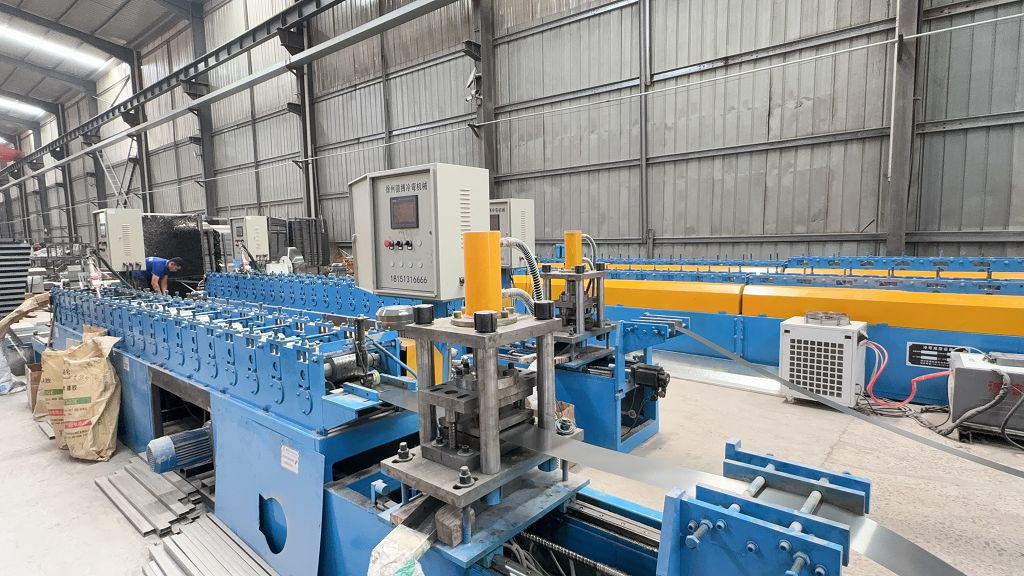
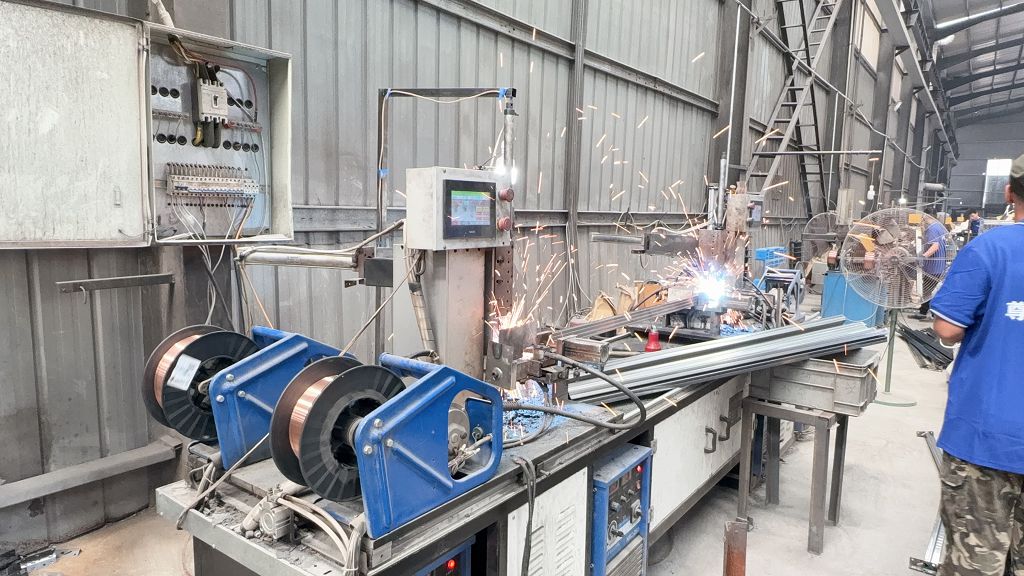
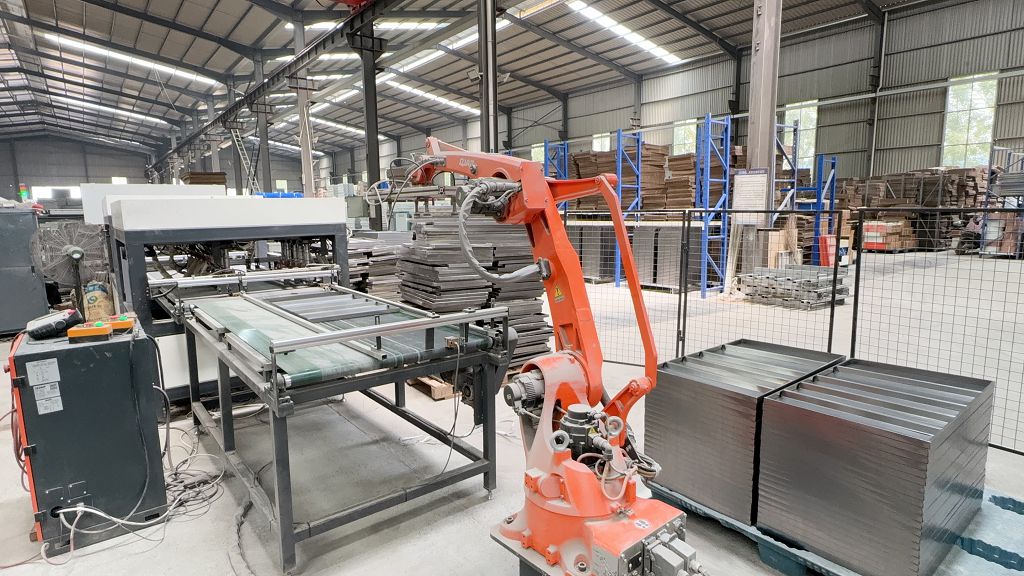
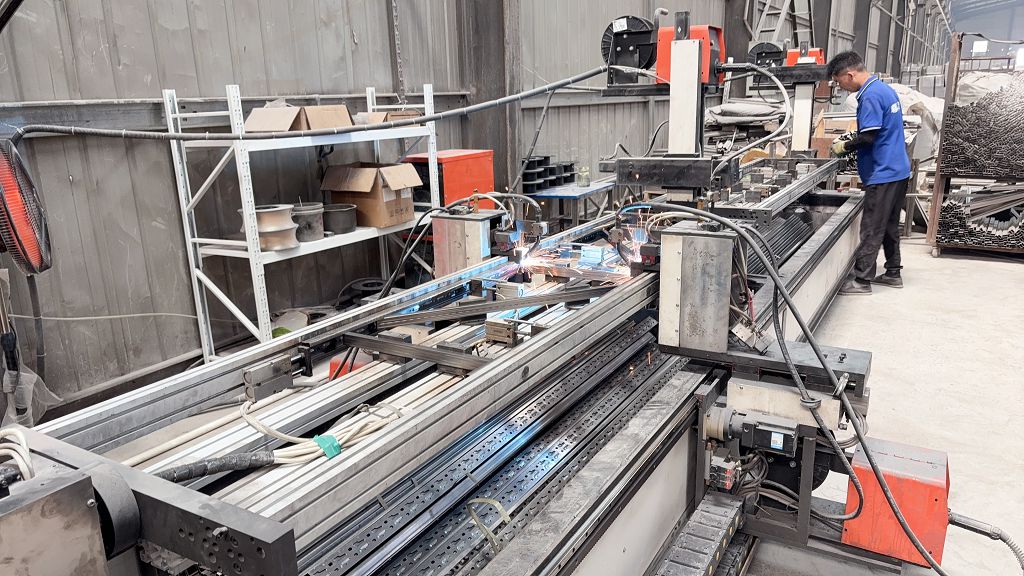
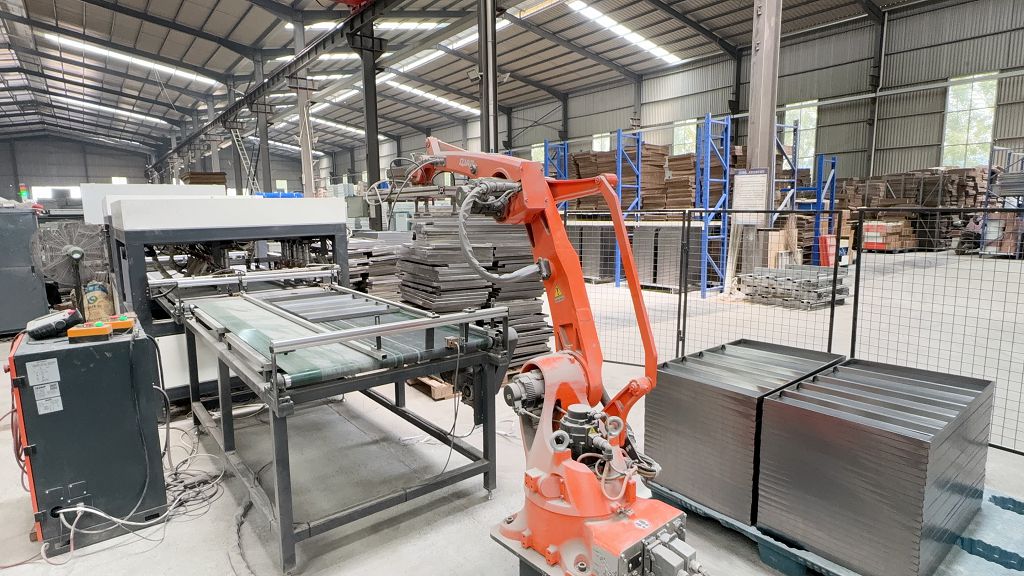
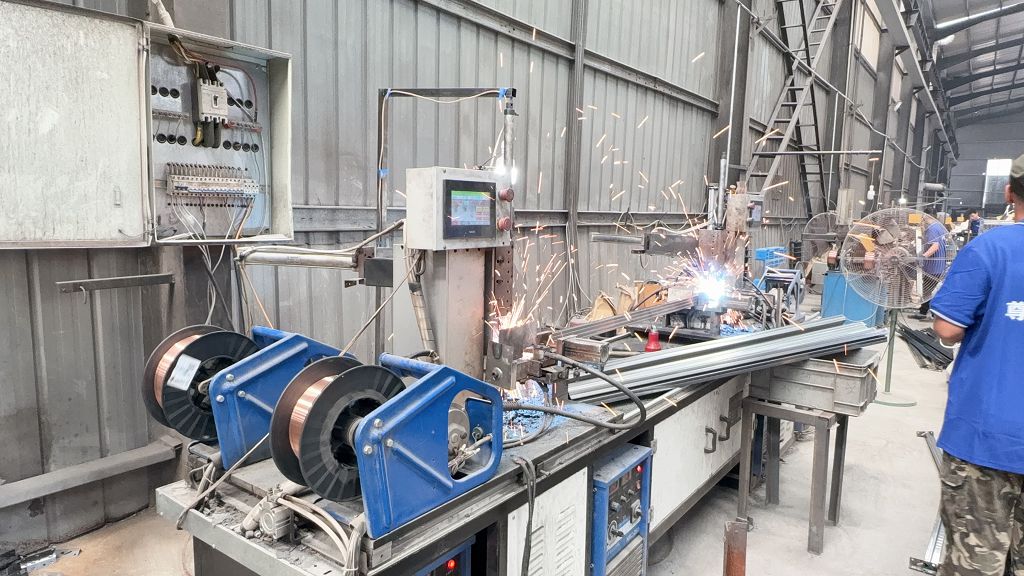
Our quality control system spans the entire production process, from sourcing high-grade Q235B or Q345B steel to checking final powder-coated parts. Heavy structural profiles undergo robotic welding to ensure clean, consistent penetration and load-bearing welds. Surface treatments feature multi-stage chemical washing and dry powder coating to prevent corrosion in humid or demanding industrial environments.
Backed by a skilled technical team and an experienced sales department, we ensure responsive communication and professional support. With stable production capacity and efficient supply chain management, we handle both standard orders and large-scale customized projects with consistent quality and on-time delivery. Our products are widely used in logistics, e-commerce, manufacturing, automotive storage, and cold chain warehousing. We have established a strong customer base in China, with exports reaching Southeast Asia, Europe, North America, and other international regions.
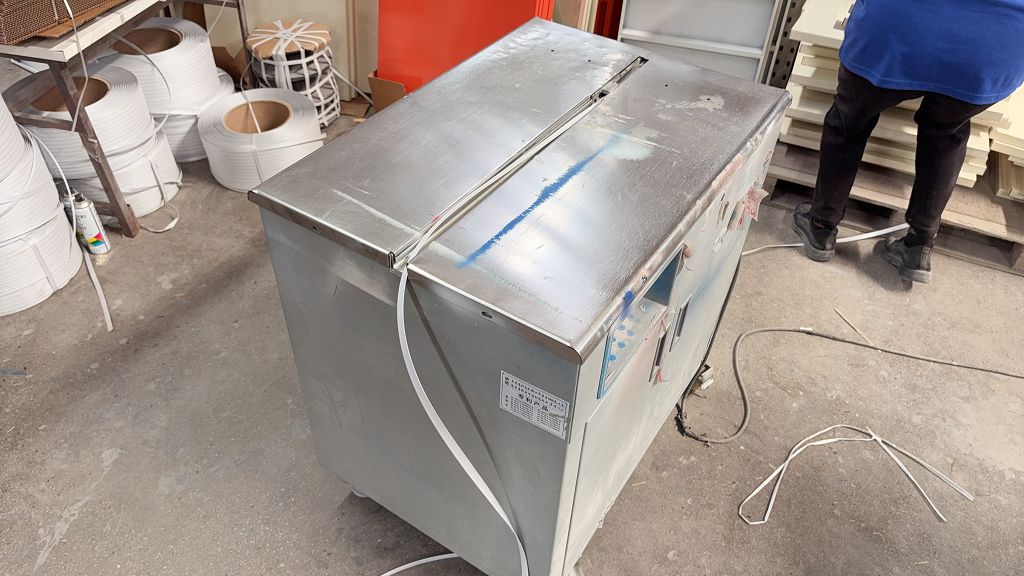
Our 11 internal manufacturing stages guarantee quality consistency and structural safety.
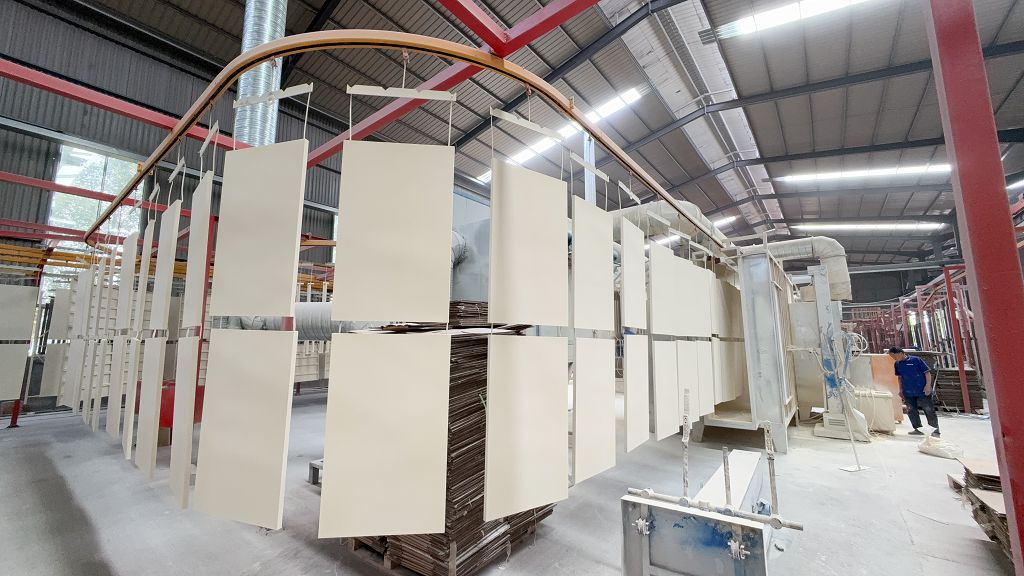
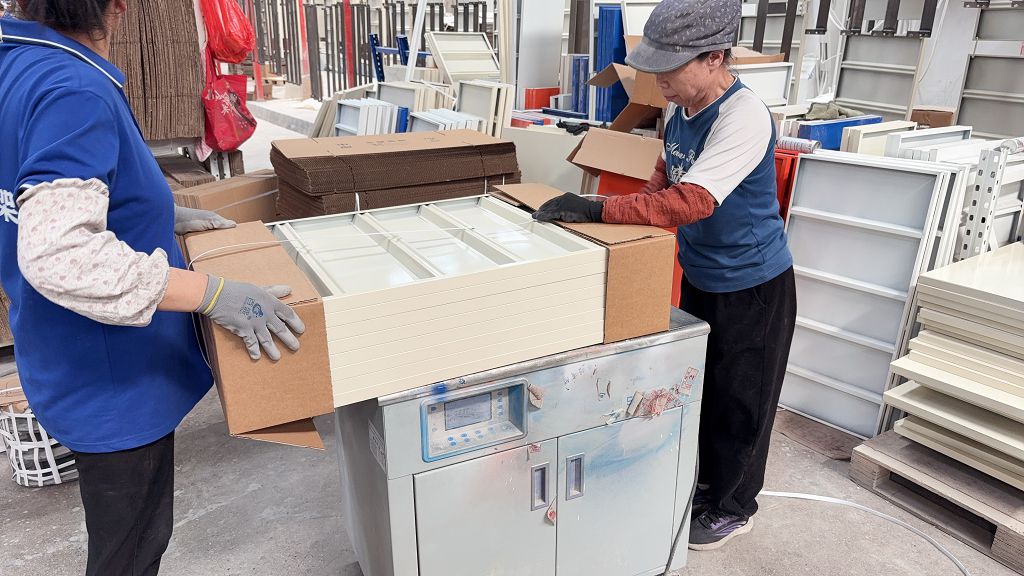
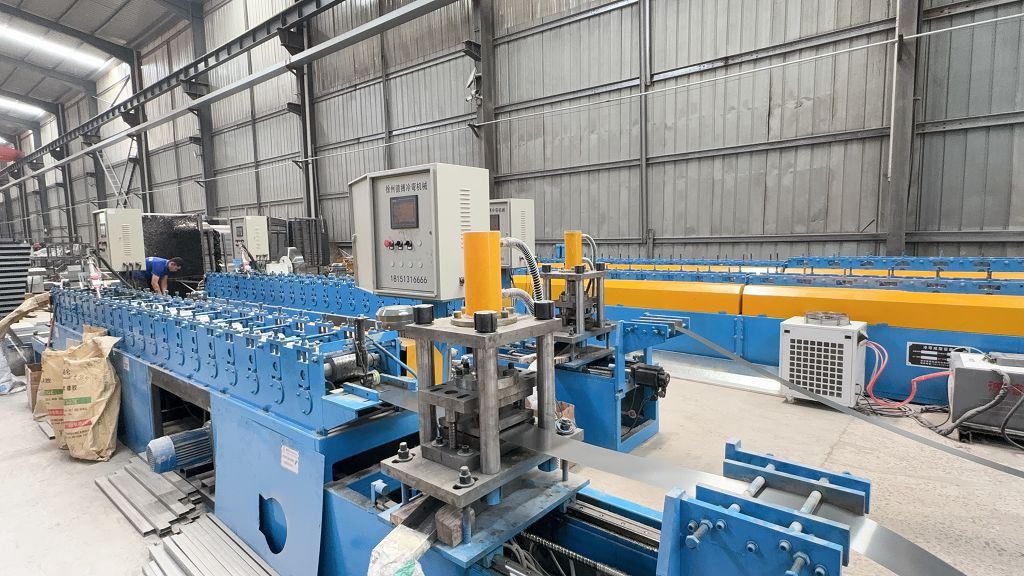
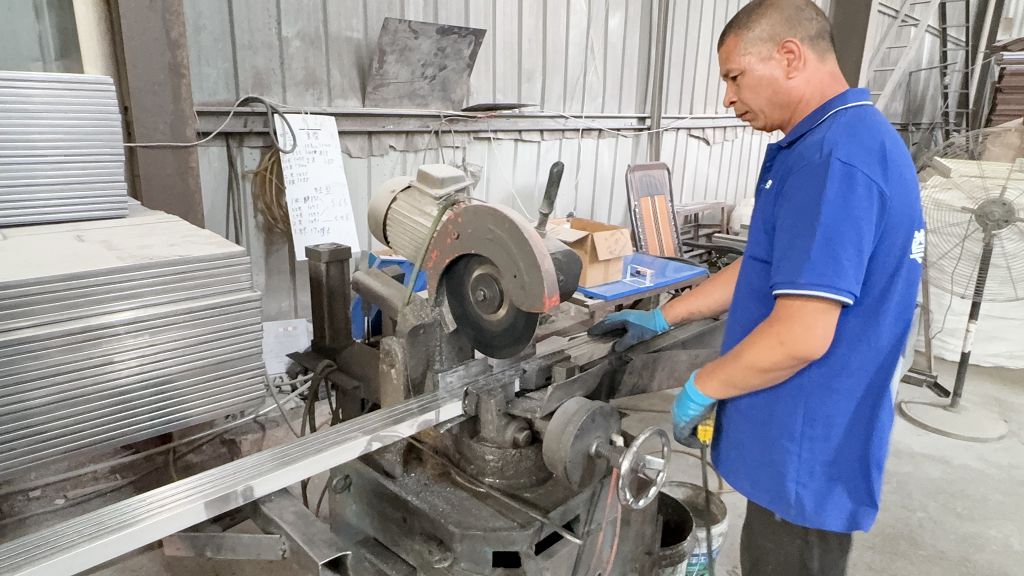
Tailored systems designed to handle specific industrial weights and retrieval needs.
Different production floors require customized racking profiles. Standardized systems often fail because of variations in crane clearances, forklift limits, and mold dimensions. Let's look at the primary industrial setups:
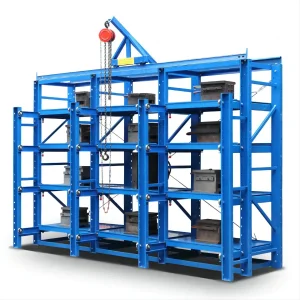
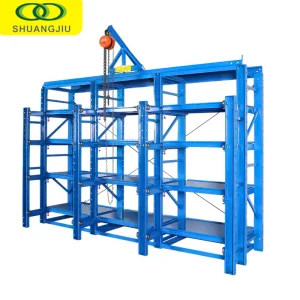
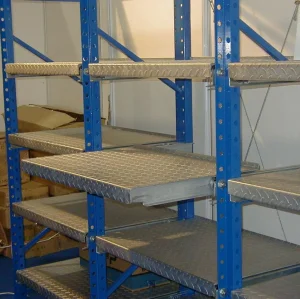
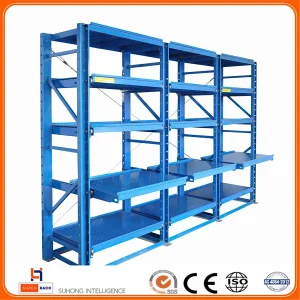
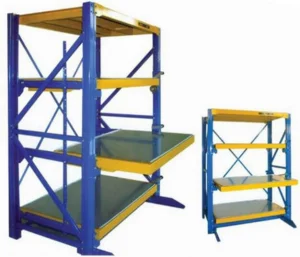
Generally used for injection molds ranging from 500 kg to over 3,000 kg per tray. These racks feature structural slide rails with ball bearings. Operators can pull out the drawers to access the molds from above using overhead cranes or monorails. These racks must include automatic safety locks to prevent more than one drawer from sliding out at a time, keeping the racking frame stable.
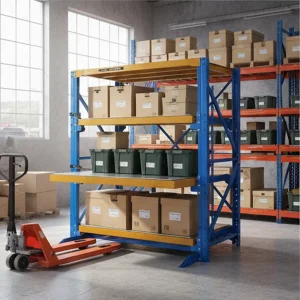
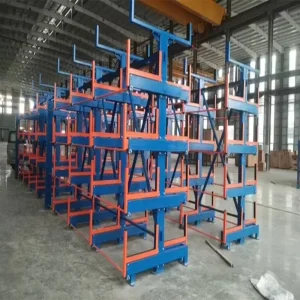
Ideal for storing long profiles, steel plate molds, and complex machinery tooling. A manual mechanical crank allows operators to easily move heavy, loaded shelves out of the rack frame. This design makes it simple to pick up heavy tooling without needing specialized, high-capacity forklifts directly in front of the rack face.
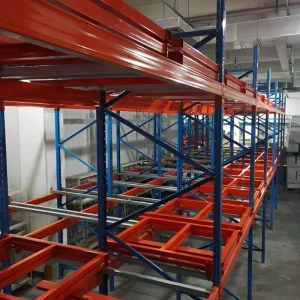
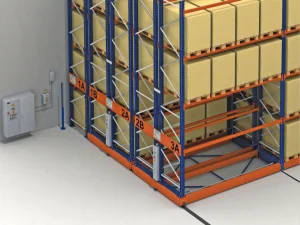
Designed for bulk mold storage where access is less frequent. Rather than using individual drawer trays, molds are staged on reinforced heavy steel pallets and stored on dynamic nesting carts. This system utilizes a deep push-back structure, storing up to 5 pallets deep to maximize floor utilization.
| Racking Type | Typical Load Range (Per Level) | Handling Method | Key Operational Safety Features |
|---|---|---|---|
| Slide-Out Drawer Type | 500 - 3,500 kg | Overhead Crane / Hoist | Dynamic anti-tip locks, travel stops, mechanical retention tabs |
| Manual Crank Roll-Out Cantilever | 1,000 - 5,000 kg | Crane / Front Loader Forklift | Gearbox reduction drives, positive stop limiters |
| Heavy Duty Teardrop Standard | 1,000 - 4,000 kg | High-Capacity Forklift | Deflection-rated step-beams, heavy baseplates, drop locks |
| Push-Back Rack System | 1,500 - 3,000 kg | Standard Forklift | Gravity-flow velocity controls, anti-derailment wheels |
Combining raw steel quality, automated robotic fabrication, and structural customization.
Purchasing heavy-duty storage racks internationally involves evaluating raw material sources, manufacturing consistency, and logistics costs. Nanjing, China remains a premier global hub for warehouse racking production. Choosing a specialist manufacturer like Nanjing Lush Rack Co., Ltd. offers distinct engineering and economic benefits:
How IoT integration, automation, and real-time sensor monitoring are shaping the future of mold storage.
As modern factories transition toward Industry 4.0, traditional storage racking is evolving from simple static frames into smart, data-driven systems. Several tech trends are changing how heavy molds are handled, tracked, and stored:
1. IoT-Enabled RFID Tracking: Heavy industrial dies and molds are high-value tools. By integrating active RFID tags and sensor arrays directly into racking shelves, warehouse management systems (WMS) can track mold locations, operational usage histories, and maintenance schedules in real-time. This eliminates search times and cuts down on production delays.
2. AS/RS for Heavy Tooling: Automated Storage and Retrieval Systems (AS/RS) are being scaled up to handle heavy loads. Heavy-duty crane shuttles can store and retrieve 5-ton molds at heights over 15 meters, moving them safely without manual forklift handling.
3. Smart Structural Health Monitoring: High-capacity mold racks can be equipped with electronic strain gauges. These sensors measure real-time beam deflection and structural stress. If a drawer is overloaded or the racking frame shifts, the system sends an automatic warning to plant safety managers, helping to prevent structural failures.
Critical structural factors every procurement team should check before finalizing a mold rack order.
Procuring industrial racking requires checking several technical criteria to ensure safety, structural compliance, and long-term durability. Use this checklist during your next sourcing cycle:
Expert answers to common engineering, safety, and logistical questions about mold storage systems.
High-capacity systems, push-back solutions, and customized modular tooling shelves.
 Lush Rack