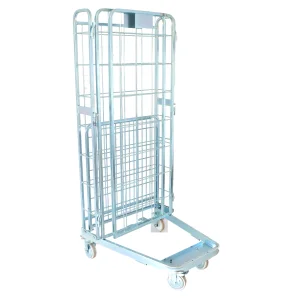
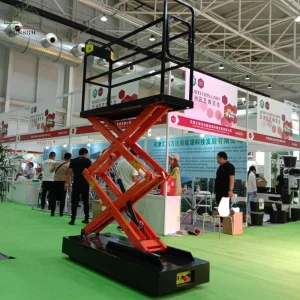
Explore our industrial-grade components designed to optimize picking workflows, sorting precision, and high-density vertical configurations.
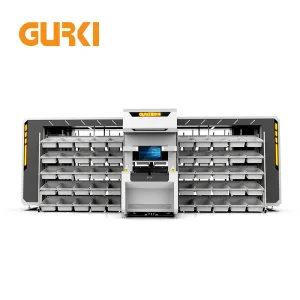
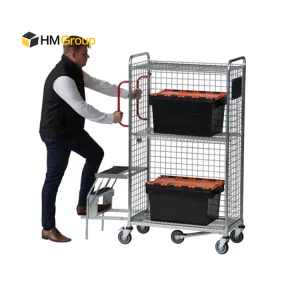
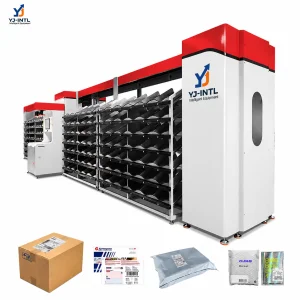
In the contemporary logistics paradigm, warehousing operations have shifted from simple horizontal storage systems to multi-dimensional vertical workspaces. Modern micro-fulfillment and high-throughput distribution demand maximum volumetric efficiency.
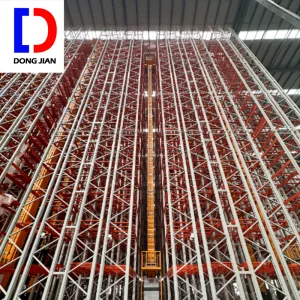
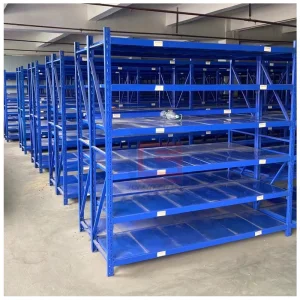
Traditional warehouses are limited by spatial horizontal surface areas, generating significant operational overhead relative to overall capacity. Multi-Level Picking Galleries (often referred to as pick modules or multi-tiered mezzanine structures) resolve this by leveraging vertical airspace. By integrating pallet flow, carton flow, shelving, and conveyor systems into one cohesive structural steel platform, facilities can double or triple their operational floor space without expanding the building footprint.
This architecture is vital for e-commerce, pharmaceutical distribution, and automotive replacement parts distribution centers. It allows dynamic SKU placement, minimizes operator travel paths, and maximizes simultaneous multi-level order fulfillment rates.
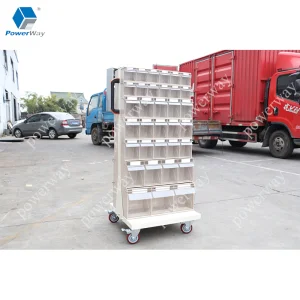
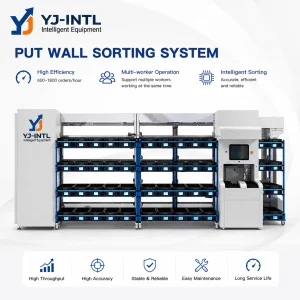
Our picking galleries are custom-engineered structures that align with advanced human-machine interfaces. By utilizing localized Pick-to-Light technologies, smart Put-Walls, and integrated drop chutes, manual sorting is rendered highly accurate. The integration of 3D intelligent sorting walls allows pickers to quickly deposit picked batches into active order slots, reducing the risk of errors while dramatically reducing cycle times.
When combined with robust vertical conveyor lifts, trash lines, and automated guided vehicles (AGVs), these systems form the backbone of modern intralogistics ecosystems.
Designing a safe, stable, and durable picking gallery requires advanced engineering calculations, material analysis, and strict adherence to structural safety standards. Our engineering team designs all pick galleries utilizing high-tensile hot-rolled steel profiles, calculated dynamically to withstand live loads, dead loads, and potential seismic forces.
| Engineering Attribute | Standard Specification / Target Benchmark | Operational Impact & Benefit |
|---|---|---|
| Material Selection | Premium Q235B & Q355B structural carbon steel | Excellent load-bearing capacities, weldability, and structural rigidity. |
| Designed Live Loads | 250 kg/m² up to 1200 kg/m² depending on classification | Supports multiple pickers, pallet loads, conveyor lines, and heavy-duty carts. |
| Deflection Limits | L/240 for primary beams, L/360 for platforms (under full load) | Minimizes structural bounce and provides a solid, safe walking platform for operators. |
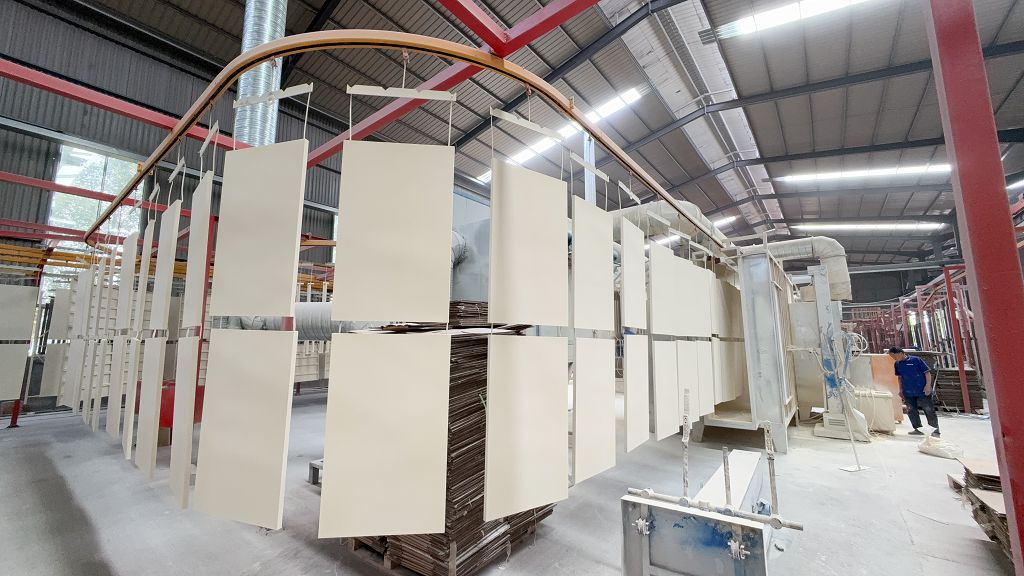
| Surface Protection | Epoxy powder coating (60–80 microns) or Hot-Dip Galvanized | Corrosion-resistant surface suitable for standard warehousing and cold storage applications. |
| Seismic Compliance | Designed in compliance with RMI (ANSI MH16.1) / EN 15512 | Prevents structural collapse under seismic loads, protecting human capital and stock. |
A multi-level structural system requires integration of auxiliary safety components. We engineer robust, heavy-duty staircases with anti-slip tread surfaces, kickplates, and continuous safety handrails that comply with OSHA and European EN ISO 14122 regulations. Furthermore, we integrate modular safety gates (pivot gates and sliding gates) at pallet drop zones, ensuring that employees are protected from falls while loading pallets at heights.
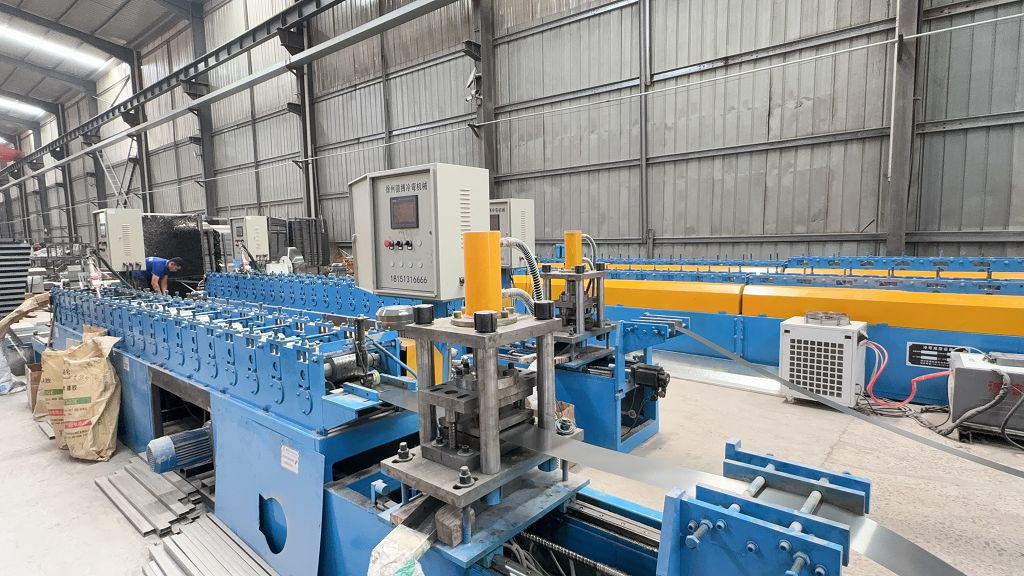
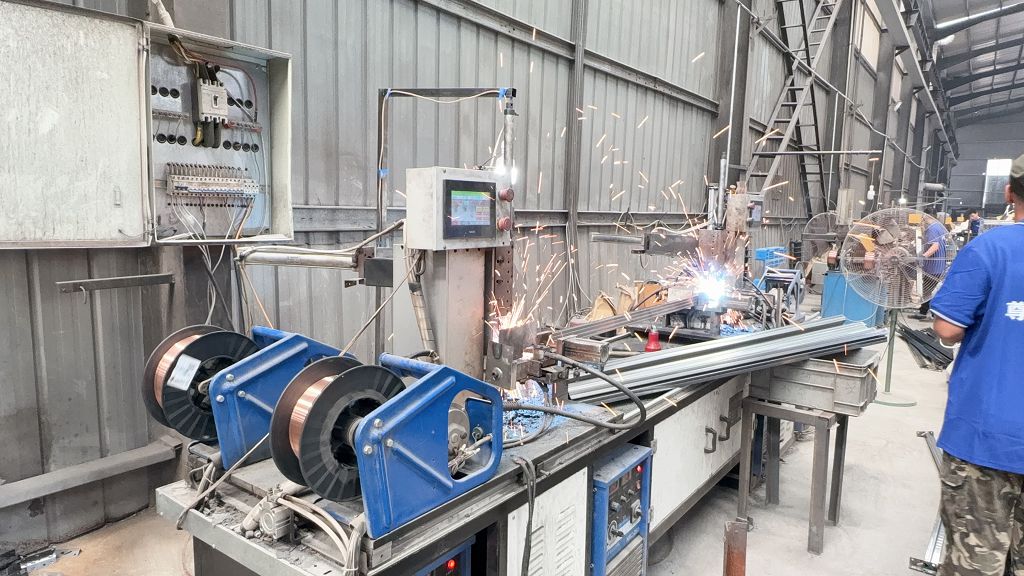
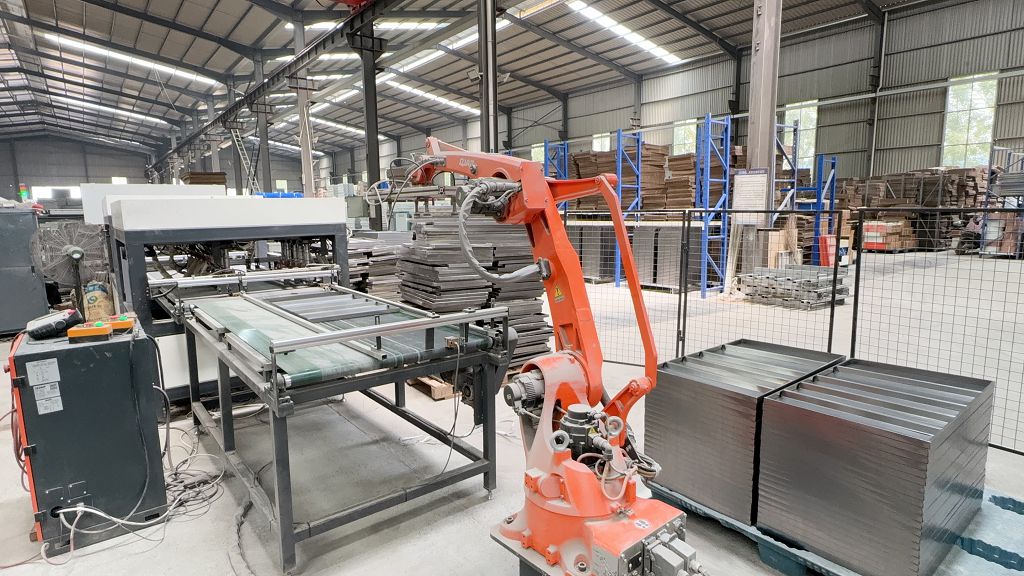
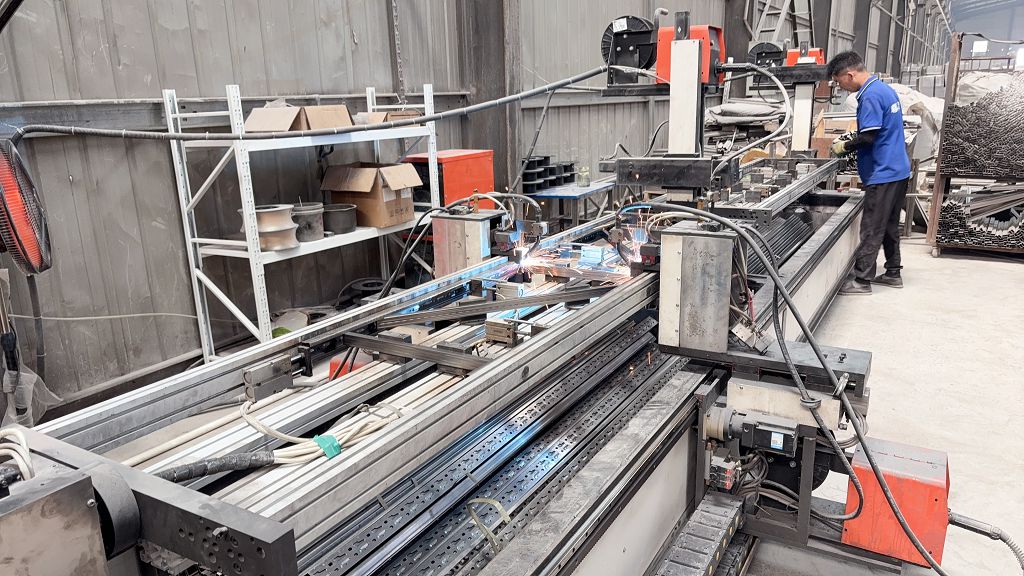
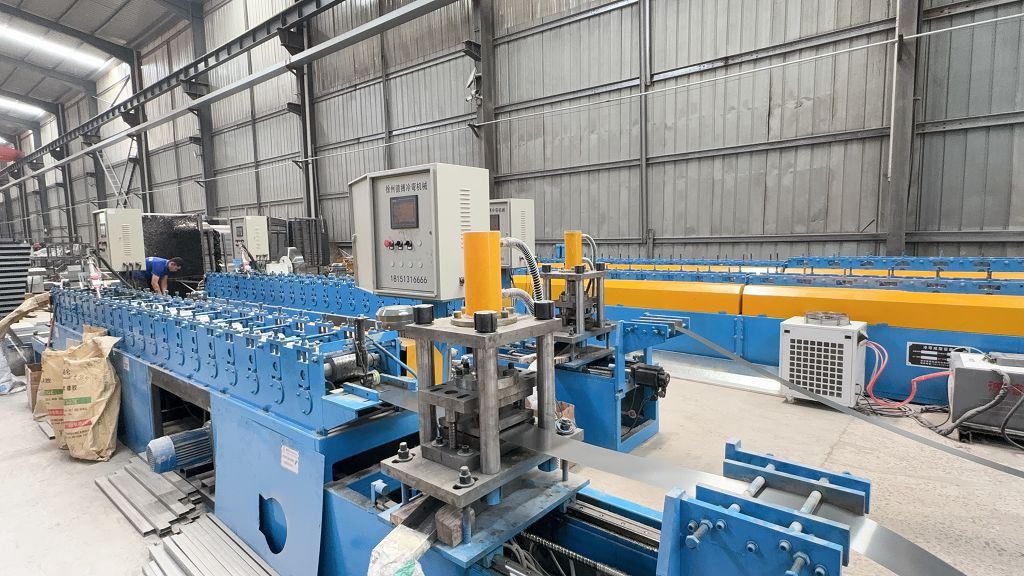
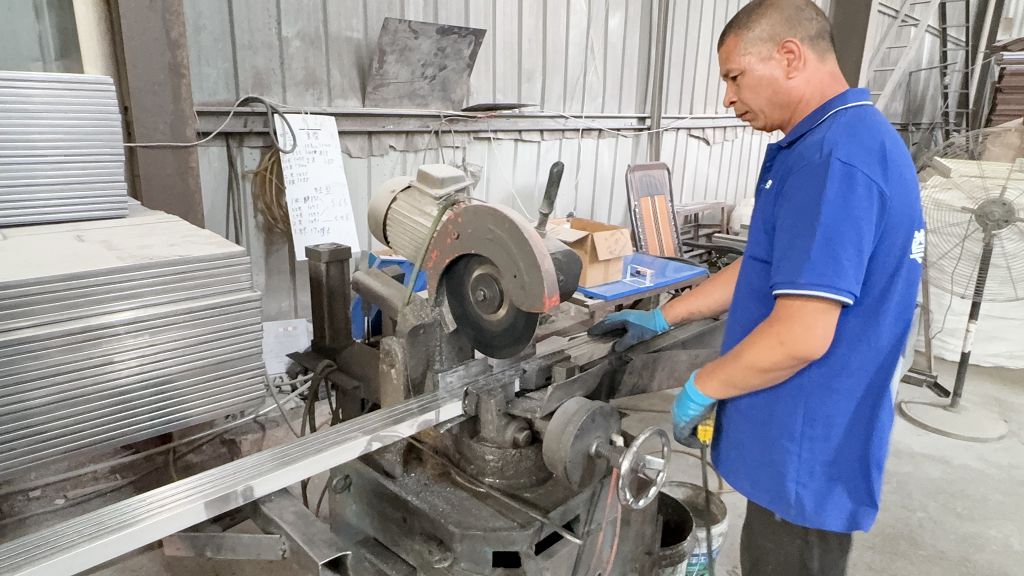
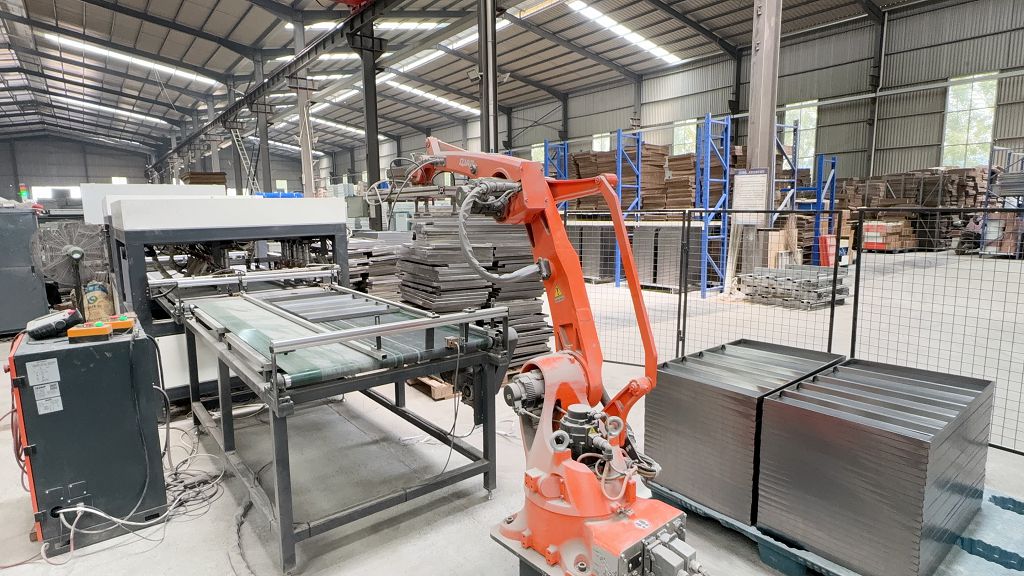
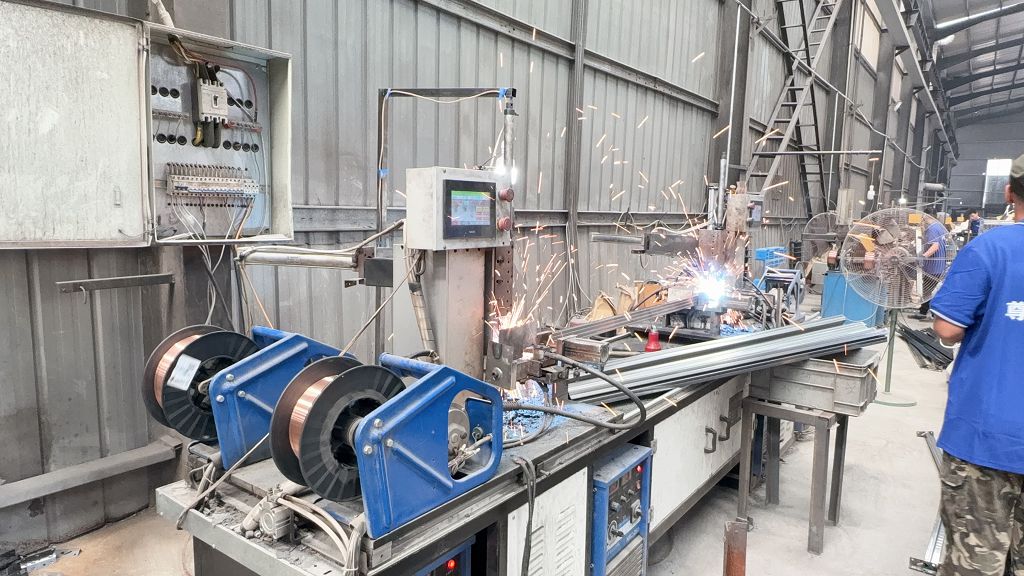
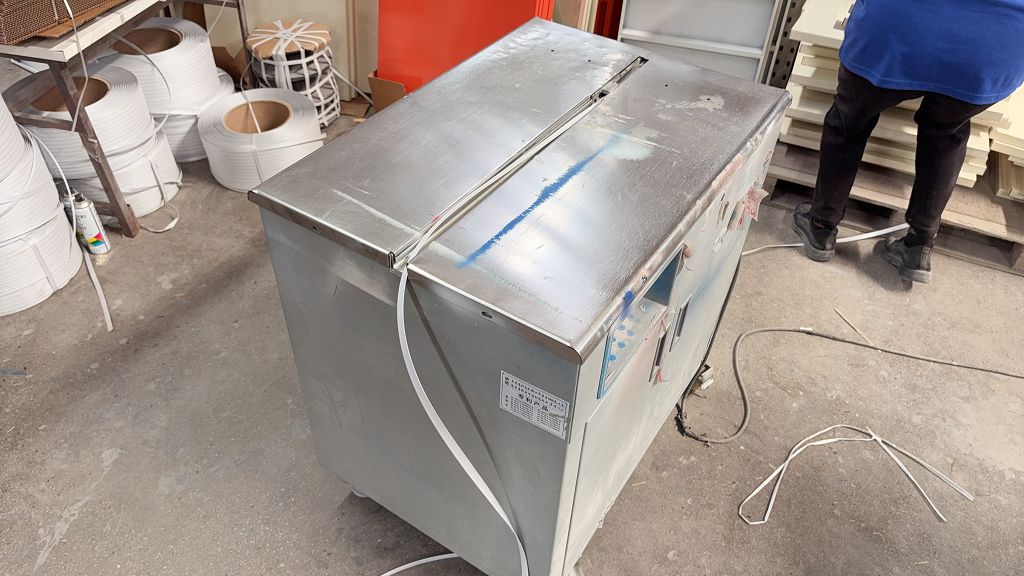
We are a professional manufacturer specializing in industrial storage racking systems and warehouse storage solutions. Our capabilities span the entire lifecycle, from design and structural calculation to production, quality inspection, and installation guidance.
With strong engineering capabilities and advanced manufacturing equipment, Nanjing Lush Rack Co., Ltd. is able to deliver complete warehouse racking solutions from concept design and structural calculation to production, quality inspection, and installation guidance. Our engineering team works closely with clients to analyze warehouse space utilization, material flow, and load requirements, ensuring that each solution is safe, stable, and cost-effective.
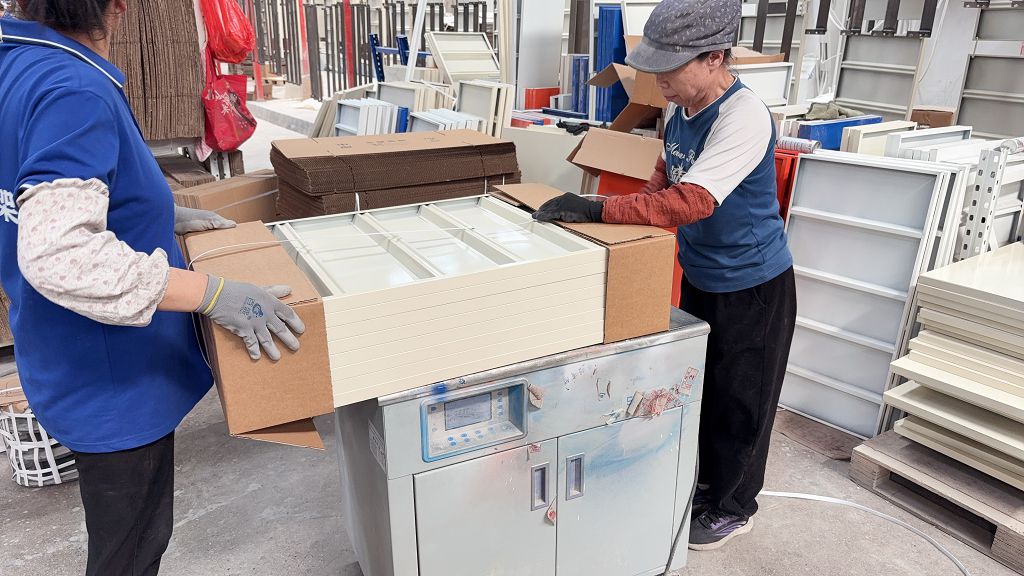
The company maintains a strict quality control system throughout the production process, from raw material selection to final product inspection. All racking systems are designed and manufactured to meet international safety and durability standards, ensuring long service life and reliable performance even under heavy industrial use.
Nanjing Lush Rack Co., Ltd. has a skilled technical team and an experienced sales department that provides responsive communication and professional support. With stable production capacity and efficient supply chain management, we are capable of handling both standard orders and large-scale customized projects with consistent quality and on-time delivery.
Our products are widely used in industries such as logistics and distribution, e-commerce fulfillment centers, manufacturing, automotive parts storage, cold chain logistics, and retail warehousing. We have established a strong customer base across domestic markets in China, and our products are also exported to Southeast Asia, Europe, North America, and other international regions.
As a trusted partner in warehouse storage solutions, Nanjing Lush Rack Co., Ltd. is committed to delivering high-quality racking systems, innovative storage concepts, and long-term value for our customers. We continue to focus on improving warehouse efficiency, reducing operational costs, and supporting the development of modern intelligent logistics systems.
Deploying a structural pick module is not merely a matter of mechanical design; it involves complex local regulatory approvals. Different markets mandate specific compliance pathways. Failing to meet these regulations can lead to project delays or operations shutdown.
In the United States, structural warehouse racks are governed by the Rack Manufacturers Institute (RMI) specification ANSI MH16.1. All vertical structural columns must feature robust baseplates anchored securely to the concrete slab, designed to resist local seismic zone parameters. Additionally, multi-tiered platforms require physical handrails, guardrails, and compliance with egress regulations outline in the International Building Code (IBC) and OSHA 1910 Subpart D.
European installations must comply with EN 15512 (Adjustable pallet racking systems – Principles for structural design) and EN 15635 (Application and maintenance of storage equipment). For elevated work floors and platforms, steel structures must carry appropriate markings, and structural components must be verified against Eurocode 3 (Design of steel structures) load combinations.
Because multiple floor levels can block overhead ceiling sprinkler patterns, multi-level picking galleries must comply with NFPA 13 guidelines. We engineer our structures to support in-rack sprinkler systems, incorporating pipe hangers, integrated baffle plates, and custom cross-bracing channels that allow clear space for mechanical, electrical, and plumbing (MEP) layouts.
Understanding how multi-level picking galleries solve specific operational challenges across different industry verticals.
High SKU diversity and rapid order cycle times define the e-commerce landscape. In a typical installation, the ground tier is designed for rapid carton flow, allowing direct access to high-velocity items. The upper levels house static shelving units and automated put-walls, integrated with a central conveyor loop. This configuration permits hundreds of operators to work simultaneously on different levels without spatial interference, achieving a throughput of over 2,500 picks per hour per zone.
Refrigerated and frozen storage volume is highly expensive to maintain. Maximizing density is vital for profitability. A custom-engineered multi-level picking gallery configured with galvanized steel finishes provides a compact operational footprint. Galvanized steel resists corrosion from condensation, and the dense layout reduces the total air volume required to be cooled, providing significant energy and operational cost reductions.
As logistics facilities transition toward automation, the role of structural picking galleries is evolving. The next generation of systems is designed not just to support human pickers, but to integrate seamlessly with robotic operations.
Future picking galleries feature specialized floor decking panels designed to support the concentrated wheel loads of Autonomous Mobile Robots (AMRs). Standard steel grating is replaced by high-density composite board or heavy-duty flat plate steel with traction-increasing finishes, allowing AMRs to navigate and transport bins directly across intermediate platform levels.
Using real-time data analytics, warehouse management systems (WMS) dynamically optimize SKU placement based on changing seasonal demand. Picking galleries must feature modular, boltless shelving layouts that can be quickly reconfigured without cutting or welding, allowing facilities to adapt to shifting load configurations within hours.
IoT sensors integrated within key load-bearing columns monitor actual strain and load distributions. If structural limits are approached, alerts are transmitted to facility managers, preventing structural fatigue and ensuring compliance with occupational health and safety parameters over long-term operations.
Get answers to critical engineering, safety, and logistical queries regarding multi-level pick gallery configurations.
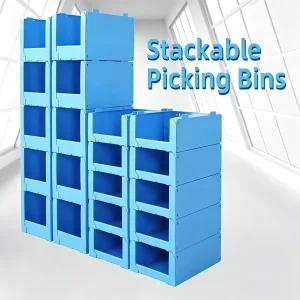
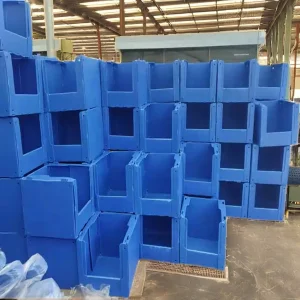
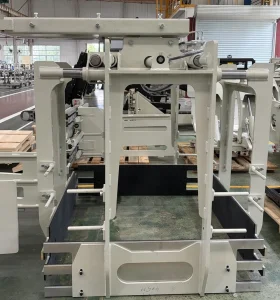
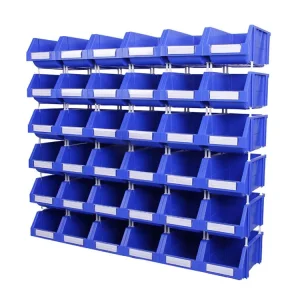
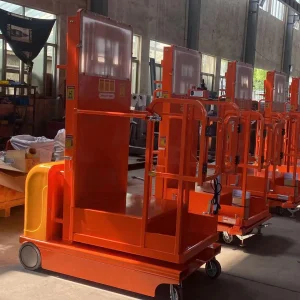
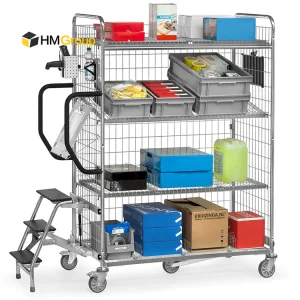
Complete your warehouse infrastructure with our heavy-duty bins, customized carts, order-picking lifts, and automatic put-wall solutions.

 Lush Rack