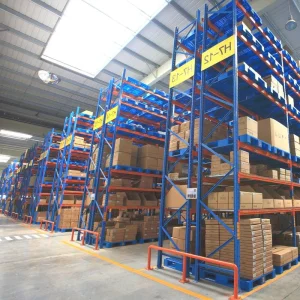
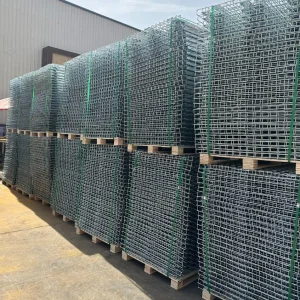
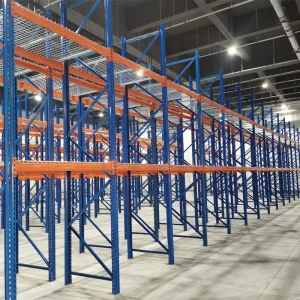
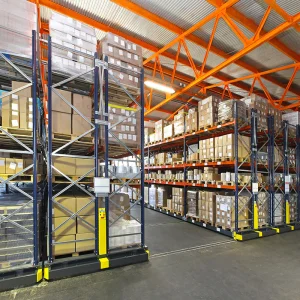
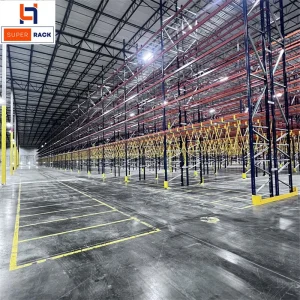
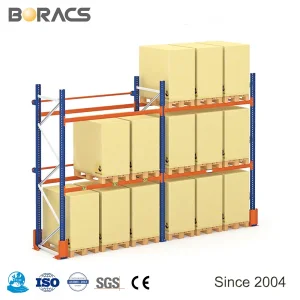
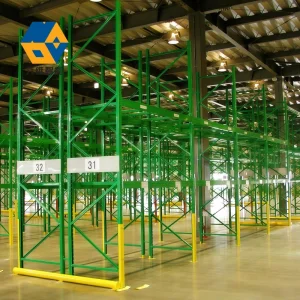
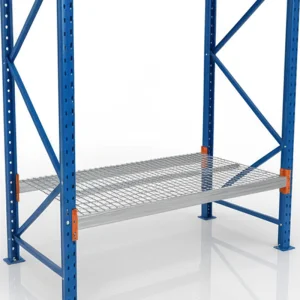
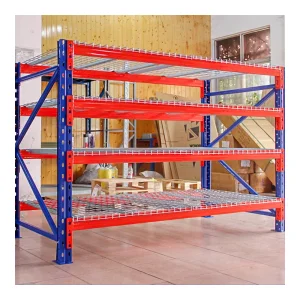
Explore our engineering configurations developed for extreme stability, dynamic weight loading, and compliance with strict fire safety regulations.
An in-depth structural analysis of industrial steel wire mesh decking design criteria, load distributions, and compliance frameworks for global procurement directors.
In modern warehousing operations, the structural integrity of pallet storage systems is paramount. Steel wire mesh decking is not merely an accessory; it is a critical safety element preventing accidental product falls, structural displacement, and localized buckling of crossbeams.
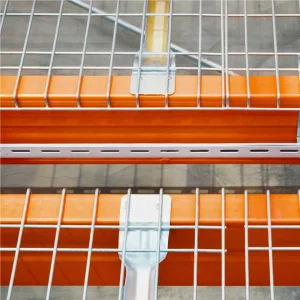
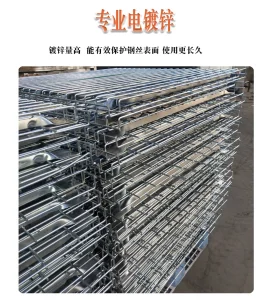
Our manufacturing specifications focus on utilizing premium Q235 carbon steel, known for its optimal yield strength (235 MPa) and ductility. Under cold-rolling processing, the tensile strength is further optimized to withstand extreme loading requirements. The load-bearing capacity of wire mesh decking is dependent on the wire gauge (typically varying from 2-gauge to 6-gauge depending on application), mesh grid spacing (typically 50x100mm, 50x50mm, or 25x100mm), and the reinforcing channels beneath the grid structure.
A key component of structural design calculations involves defining the difference between Uniformly Distributed Loads (UDL) and Point Loads. Standard wire mesh decking is rated for UDL, meaning the load is spread evenly across the surface. If point-loading or concentrated heavy-load pallets are utilized, structural modifications (such as thicker support channels or extra reinforcing steel ribbons) must be integrated to prevent deflection and long-term metal fatigue.
Industrial decision-makers must evaluate the performance metrics of wire mesh deck systems relative to alternative deck styles like solid timber boards or solid steel sheets. The table below represents key variables evaluated under logistics and warehouse safety guidelines:
| Performance Metrics | Wire Mesh Decking (Q235 Steel) | Solid Timber / Wood Decking | Solid Steel Plate Panels |
|---|---|---|---|
| Fire Safety (Sprinkler Penetration) | Excellent (>70% open area compliance) | Poor (Blocks vertical flow, highly flammable) | Poor (Creates barrier, requires local variance) |
| Air Circulation & Ventilation | Outstanding (Supports thermal equalization) | None | None |
| Dust & Dirt Accumulation | Minimal (Falls through grid) | High (Requires frequent cleaning) | High (Acts as dust shelf) |
| Lifespan & Corrosion Resistance | Very High (Galvanized / Kaku finish) | Low (Subject to rot, moisture, & splinters) | High (Coated or galvanized) |
| Light Permeability | High (Enhances picker visibility & safety) | None | None |
One of the strongest arguments for selecting wire mesh decking racks is compliance with international fire safety standards, specifically the National Fire Protection Association (NFPA) 13 standard. In high-pile storage configurations, solid shelving acts as a horizontal shield that prevents water from ceiling-level overhead fire sprinklers from penetrating down to the lower rack levels where fires may originate.
Wire mesh decking, by providing a minimum of 70% open area, ensures that water from automatic sprinklers flows freely down through the entire racking matrix, rapidly suppressing fires at lower elevations. This design allows companies to achieve lower insurance premiums and avoids the necessity of installing cost-intensive in-rack sprinkler systems (IRSS).
A global leader in structural analysis, customized load designing, and complete supply chain infrastructure provisioning.
Nanjing Lush Rack Co., Ltd. is a professional manufacturer specializing in industrial storage racking systems and warehouse storage solutions. The company is dedicated to the research, design, production, and installation of a full range of warehouse racks and shelving systems, providing efficient and reliable storage infrastructure for modern logistics and supply chain operations.
With strong engineering capabilities and advanced manufacturing equipment, Nanjing Lush Rack Co., Ltd. is able to deliver complete warehouse racking solutions from concept design and structural calculation to production, quality inspection, and installation guidance. Our engineering team works closely with clients to analyze warehouse space utilization, material flow, and load requirements, ensuring that each solution is safe, stable, and cost-effective.
The company maintains a strict quality control system throughout the production process, from raw material selection to final product inspection. All racking systems are designed and manufactured to meet international safety and durability standards, ensuring long service life and reliable performance even under heavy industrial use.
Nanjing Lush Rack Co., Ltd. has a skilled technical team and an experienced sales department that provides responsive communication and professional support. With stable production capacity and efficient supply chain management, we are capable of handling both standard orders and large-scale customized projects with consistent quality and on-time delivery.
Our products are widely used in industries such as logistics and distribution, e-commerce fulfillment centers, manufacturing, automotive parts storage, cold chain logistics, and retail warehousing. We have established a strong customer base across domestic markets in China, and our products are also exported to Southeast Asia, Europe, North America, and other international regions.
As a trusted partner in warehouse storage solutions, Nanjing Lush Rack Co., Ltd. is committed to delivering high-quality racking systems, innovative storage concepts, and long-term value for our customers. We continue to focus on improving warehouse efficiency, reducing operational costs, and supporting the development of modern intelligent logistics systems.
Our production floor is powered by automated machinery, digital robotic welding cells, and rigid quality inspection protocols.
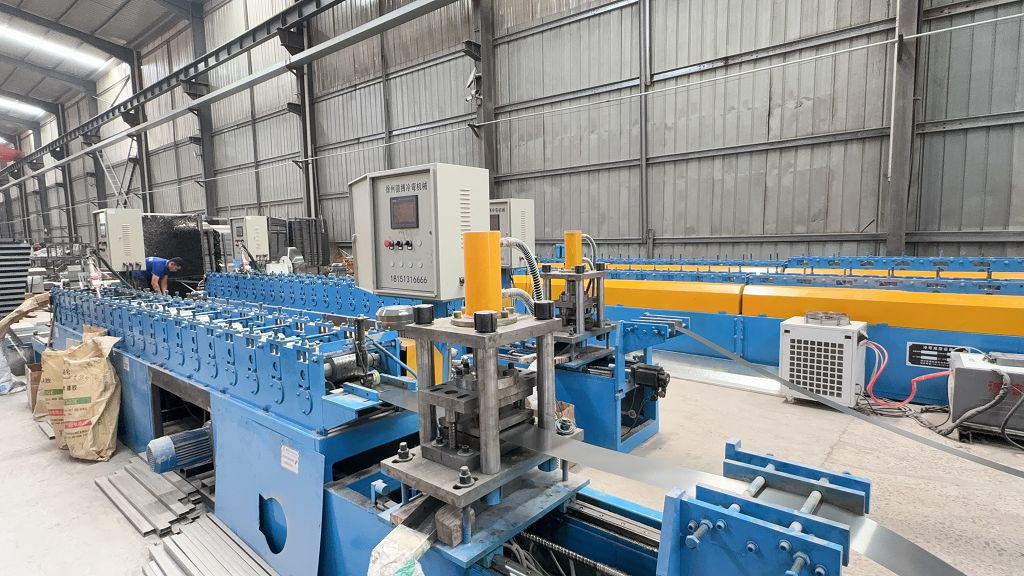
Cutting
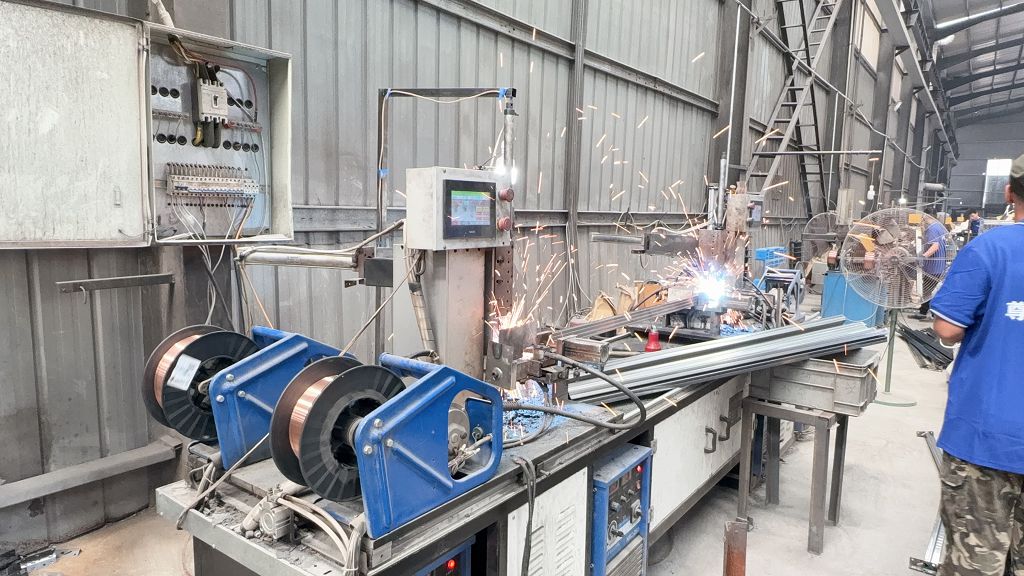
Welding of the Crossbeam
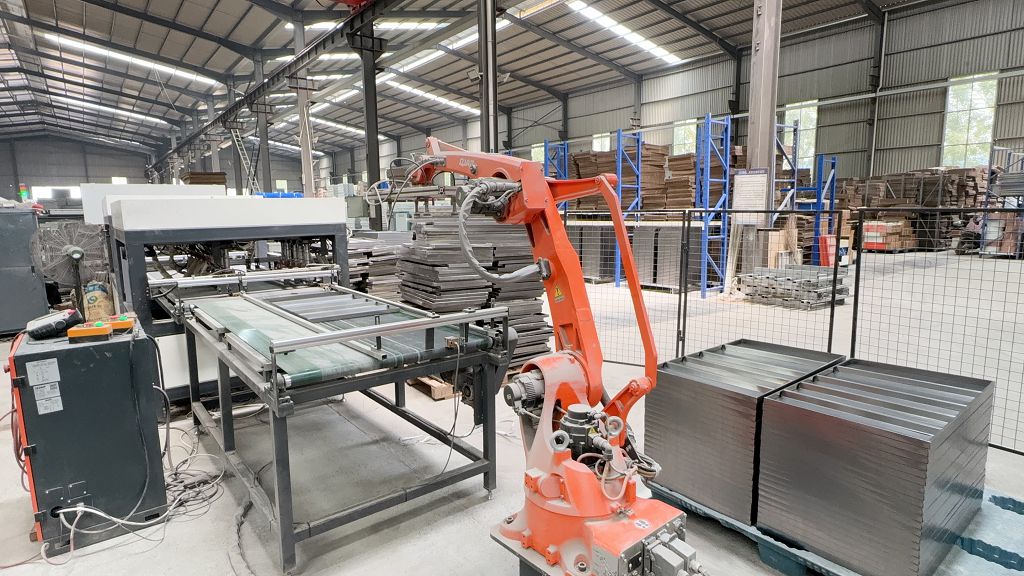
Plate Welding
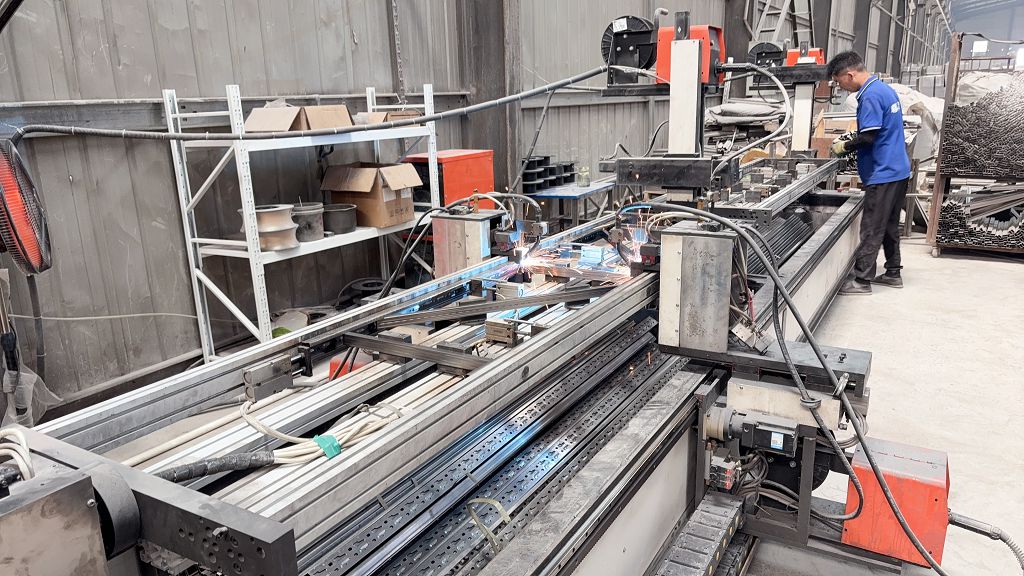
Column Welding
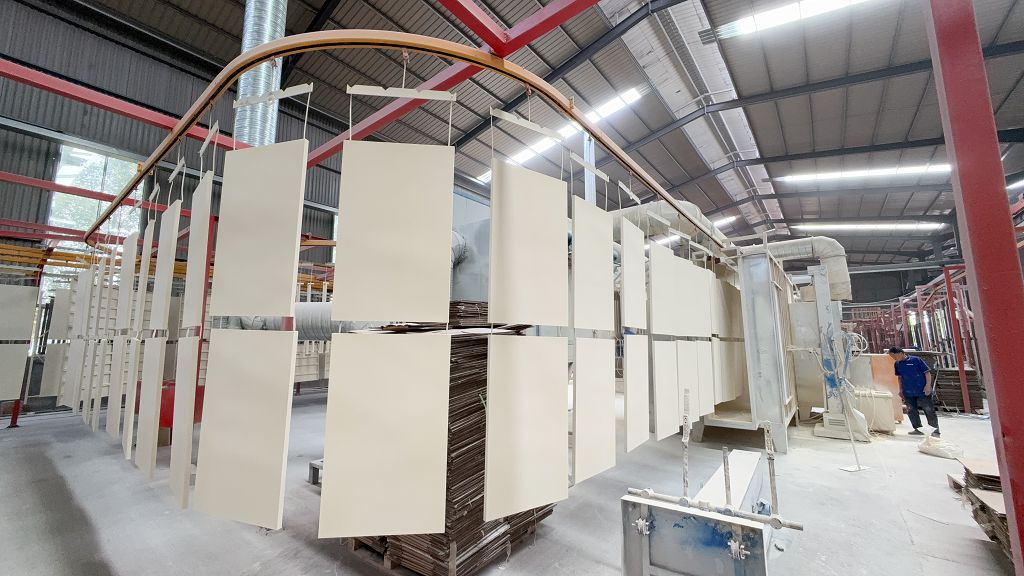
Painting Process
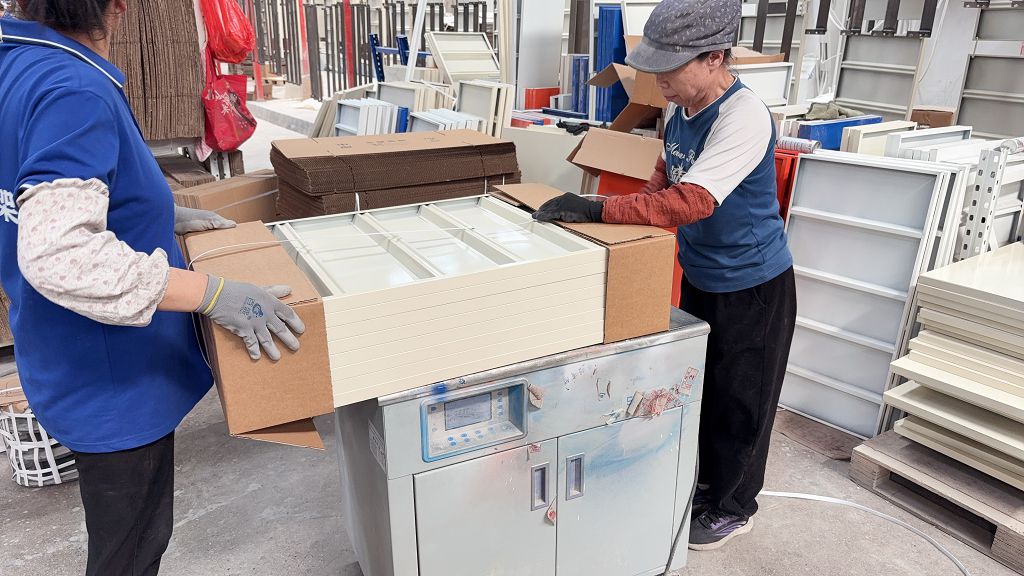
Packing Process
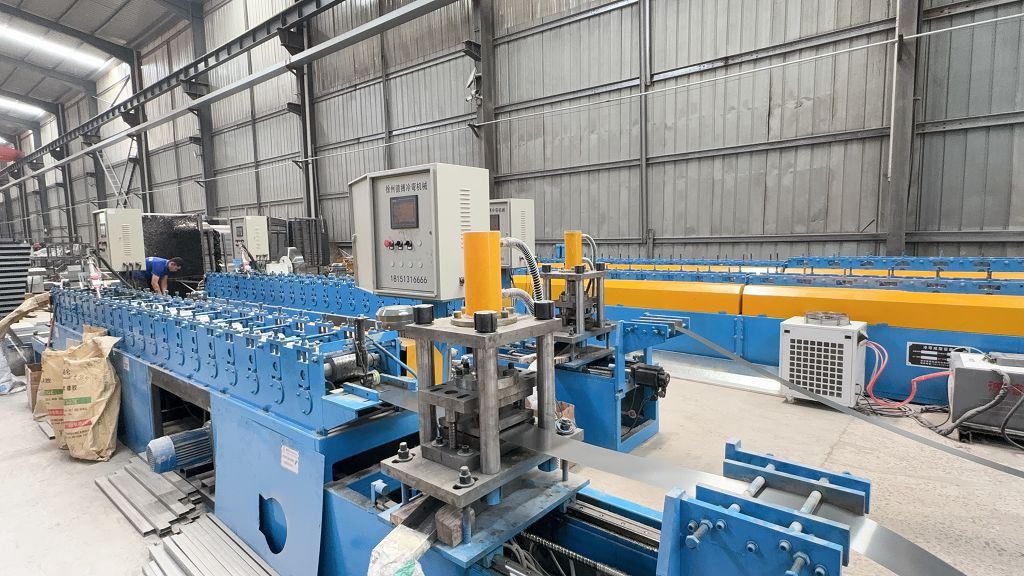
Automatic Cutting Machine
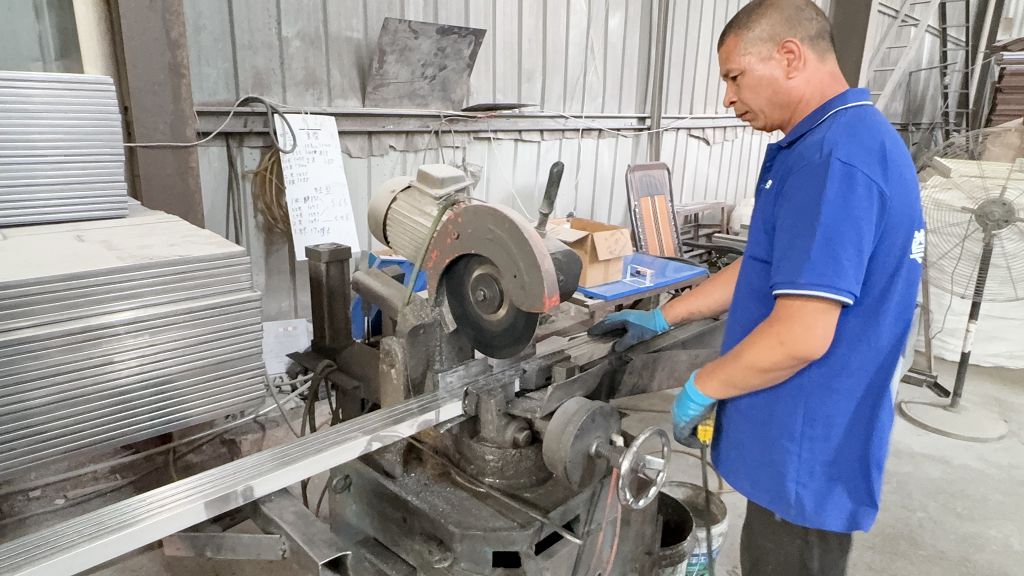
Cutting Machine
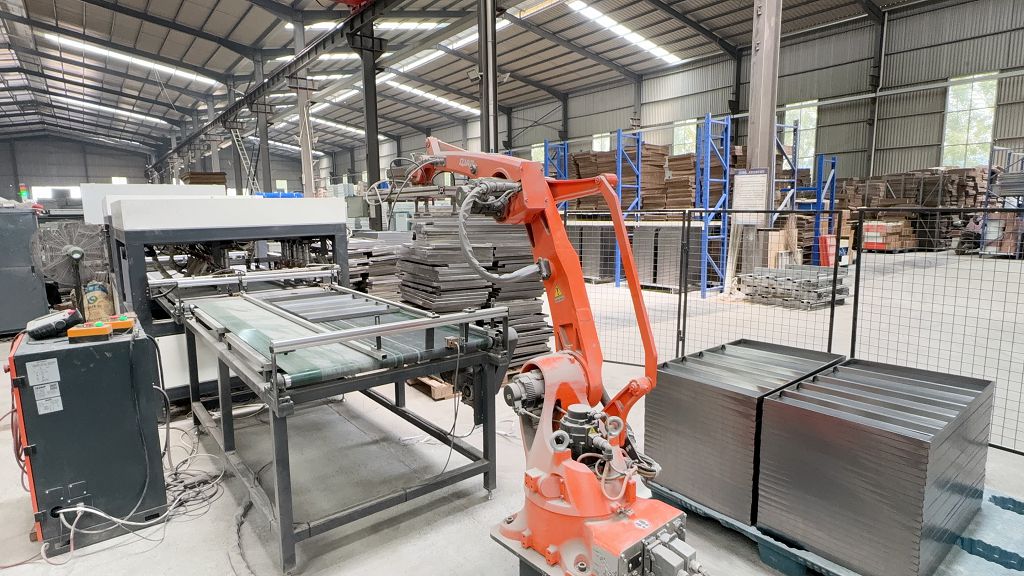
Automatic Welding Machine
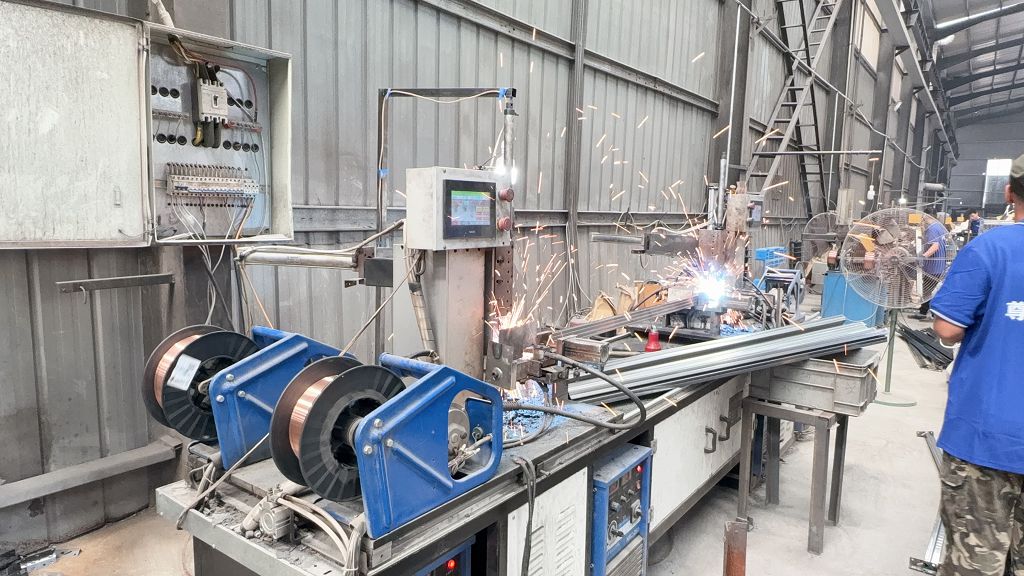
Welding Machine
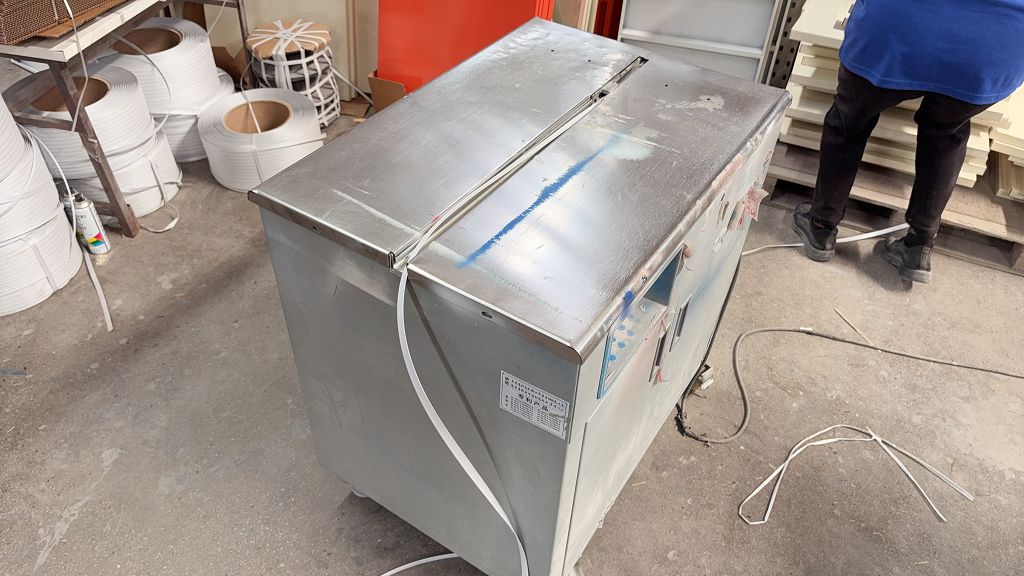
Packing Machine
International shipping requires deep familiarity with localized building codes and logistical standards. In North America, standard steel mesh decking requires compliance with the RMI (Rack Manufacturers Institute) standards and the ANSI MH16.1 specifications. The standard rack interface uses "teardrop style" uprights, which dictates flare or drop-in channel designs.
In contrast, European warehouses operate largely on metric configurations conforming to FEM 10.2.02 (Federation Européenne de la Manutention) and EN 15512 regulations. The grid sizes, load deflection ratio requirements, and structural calculations must verify that lateral deflections do not exceed L/200 under maximal load limits.
For APAC regions, seismic engineering guidelines (especially in Japan, Australia, and New Zealand) force our engineering team to calculate localized shear stress and structural racking resistance dynamically. We customize baseplates, dynamic load locks, and back-to-back ties to reinforce stability in seismic zones.
The global logistics landscape requires robust, predictable supply chains. Procuring from our factory in Nanjing, China, provides strategic cost advantages alongside technological precision. Nanjing acts as a central steel-processing and logistical hub, directly adjacent to major shipping ports like Shanghai and Ningbo.
Our factory integrates raw material sourcing agreements directly with top-tier domestic steel mills, protecting projects from sudden fluctuations in the global spot price of steel coils. Furthermore, our state-of-the-art automated manufacturing floor reduces direct labor hours per unit, allowing us to export heavy-duty decking at highly competitive price-per-kilogram ratios, even when accounting for ocean freight tariffs.
We are aligning our manufacturing methodologies with the global decarbonization movement. By shifting toward "Green Steel" processing—utilizing electric arc furnace (EAF) steel with lower carbon footprints—we help global buyers satisfy their Scope 3 emissions reduction targets.
Technologically, the integration of IoT-based warehouse management sensors directly into structural pallet rack frames is the next horizon. We are researching passive RFID tagging and structural stress sensors integrated directly into our wire decking reinforcing channels. This provides real-time warnings to safety managers regarding overload conditions, localized impacts from forklift operations, and general wear cycles, transforming static steel structures into intelligent assets.
In-depth responses to specialized questions regarding design selection, testing metrics, and customization capabilities.
Explore our industrial-duty racking variations, foldable structures, and specialized teardrop systems.
 Lush Rack