Explore our heavy-duty industrial storage racks engineered for high efficiency, high capacity, and ultimate safety compliance.
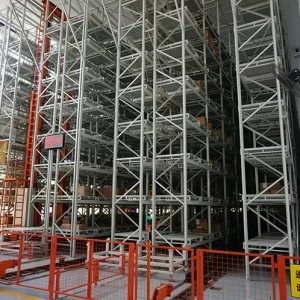
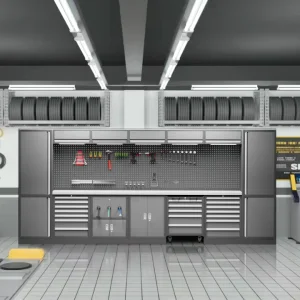
A global leader in structural engineering, automated manufacturing, and high-density material flow racking systems.
Nanjing Lush Rack Co., Ltd. is a distinguished, professional manufacturer specializing in industrial storage racking systems and highly optimized warehouse storage solutions. Leveraging advanced metallurgical science and spatial engineering, the company is fundamentally dedicated to the comprehensive research, structural design, automated production, and turnkey installation of a full spectrum of warehouse racks and dynamic shelving systems. We supply the core hardware that enables efficient and reliable storage infrastructure across modern global logistics, fulfillment distribution networks, and sophisticated supply chain ecosystems.
Supported by robust engineering design capabilities, state-of-the-art automated manufacturing facilities, and strict compliance protocols, Nanjing Lush Rack Co., Ltd. delivers complete warehouse racking solutions. Our services span from initial custom concept design and detailed structural calculations (utilizing Finite Element Method modeling) to high-precision roll forming, QA/QC testing, and professional on-site installation guidance. Our dedicated engineering department works in tight synchronization with clients globally to evaluate parameters such as space utilization density, dynamic material flow speed, load distribution vectors, and structural safety coefficients. This guarantees that every deployed racking installation achieves the optimal equilibrium of safety, operational longevity, and cost-efficiency.
Years Experience
Global Markets
FEM Compliant
Projects Done
Quality management forms the cornerstone of our manufacturing paradigm. The company maintains an exhaustive, ISO 9001-certified quality control protocol that details checks at every phase of the value chain. This begins with structural raw material selection (sourcing high-tensile structural steel such as Q235B and Q355B) and proceeds through to line checks and final load deflection tests. All racking systems are engineered and tested in accordance with stringent international standards including the European FEM 10.2.02, American RMI guidelines, and Australian AS4084 specifications, protecting warehouses against structural fatigue and seismic loads.
To ensure seamless execution, our specialized technical division and sales support channels are built around responsive, SLA-backed communication. Our manufacturing output is supported by automated welding systems and advanced electrostatic powder-coating lines, allowing us to manage large-scale customized OEM/ODM industrial projects while ensuring on-time delivery. From cold-storage environments to e-commerce hubs, our systems are designed to perform reliably under demanding conditions.
How the demands of the modern supply chain are driving the global adoption of dynamic gravity-fed FIFO storage solutions.
Global logistics is facing an unprecedented space challenge. Land acquisition costs, rising energy overheads in cold storage, and the push for faster fulfillment have made traditional selective pallet racking increasingly inefficient. This shift has driven the adoption of dynamic gravity flow systems. By eliminating intermediate access aisles, product flow racking (also known as carton flow or pallet flow racking) compresses the warehouse footprint. This design boosts storage density by up to 60% compared to standard configurations, allowing facilities to maximize throughput without expanding their physical footprint.
For industries dealing with perishables, pharmaceutical compounds, fast-moving consumer goods (FMCG), and highly volatile lithium battery components, strict product rotation is vital. Product flow racking operates on a natural gravity-driven slide system. Pallets or cartons are loaded from the charging aisle (rear side) and glide down inclined roller lanes to the discharging face (front side). This configuration establishes a hard physical barrier that prevents inventory bypass, securing a strict FIFO (First-In, First-Out) protocol. This workflow minimizes stock obsolescence, supports accurate batch tracking, and streamlines inventory rotation.
Provides direct compliance with freshness dating. Eliminates manual stock rotation errors and reduces scrap overheads by over 24% globally.
Powers assembly line replenishment (Kanban). Ensures parts are fed continuously without downtime or operator travel delay.
Reduces active cooling cubic volume, lowering energy demands by concentrating thermal mass within dense pallet corridors.
Take a closer look at our custom fabrication steps, engineered tolerances, and raw material handling.
Every warehouse storage configuration presents unique challenges in ceiling clearances, floor slab load capacities, fire prevention, and forklift turning radiuses. Because of these variables, standard, off-the-shelf racking products often fall short. At Nanjing Lush Rack Co., Ltd., our operational framework is built to support extensive OEM and ODM manufacturing flexibility.
Our manufacturing facility features automated production systems that process raw steel with high precision, maintaining clean edge geometries and dimensional accuracy. From CNC laser cutting and automated MIG/CO2-shielded welding to continuous multi-station cold roll-forming lines, we control every manufacturing parameter. This level of quality management is crucial for the safety and structural integrity of dynamic gravity flow systems, which are subject to continuous motion, impact forces, and deceleration stress.
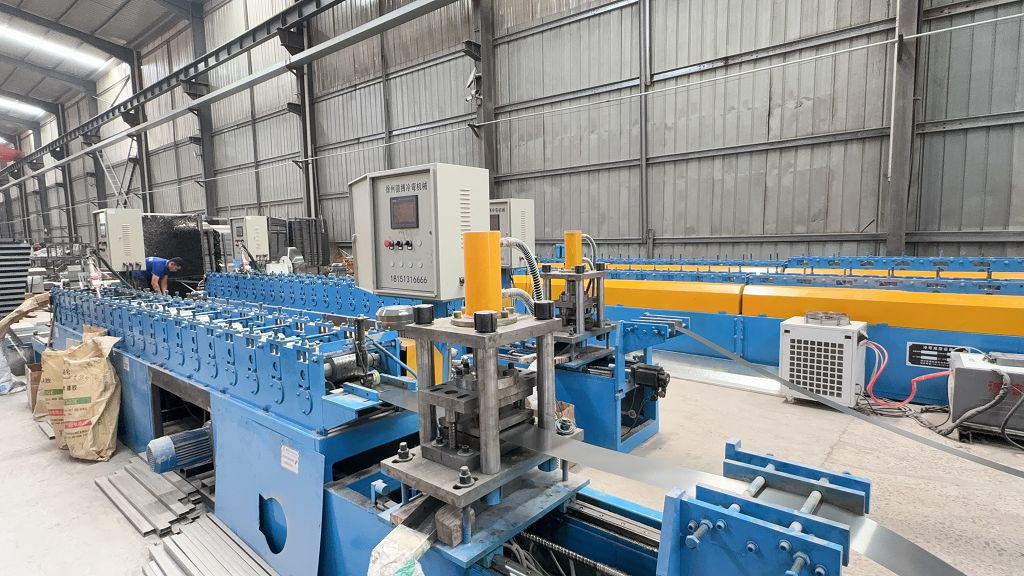
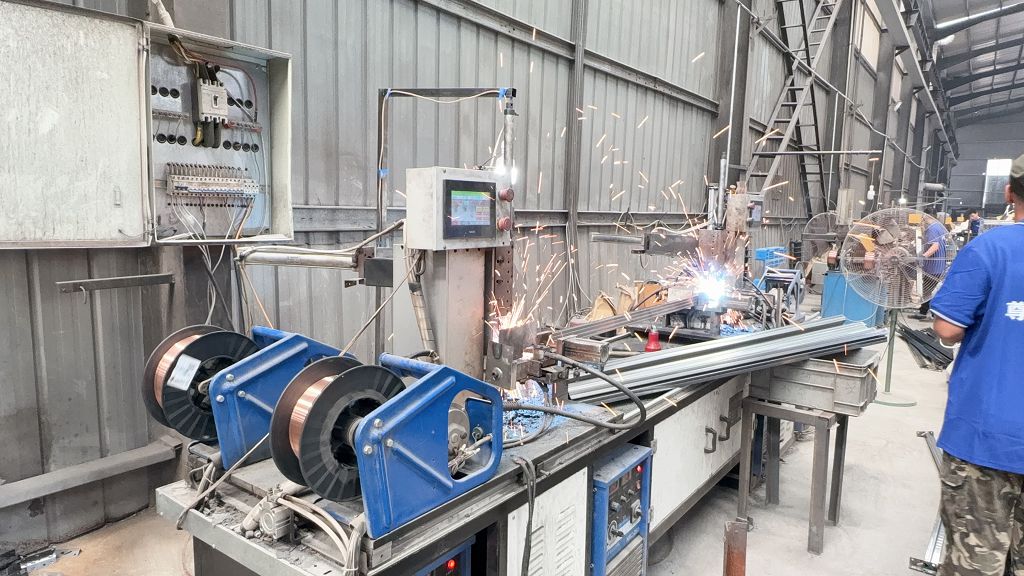
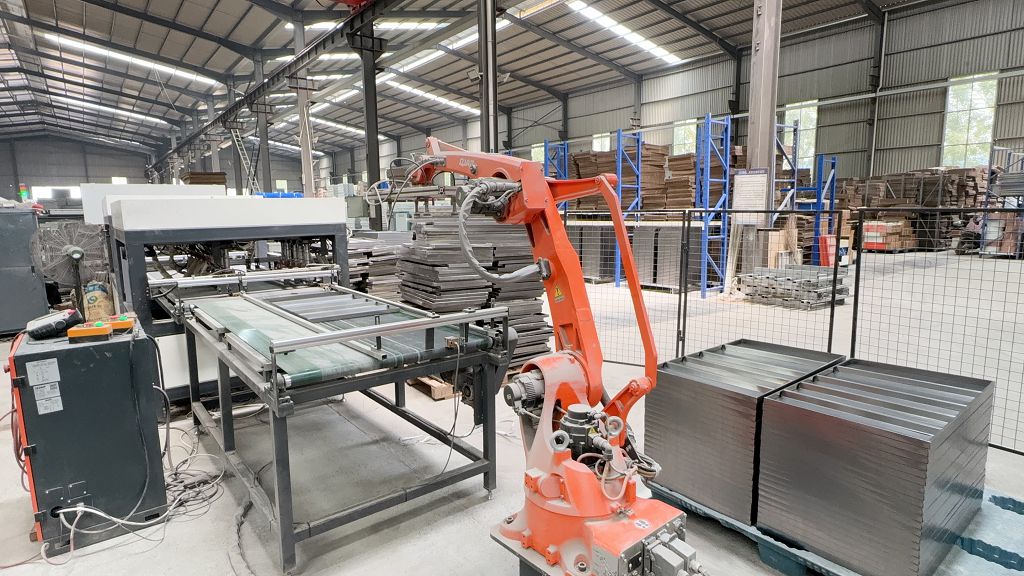
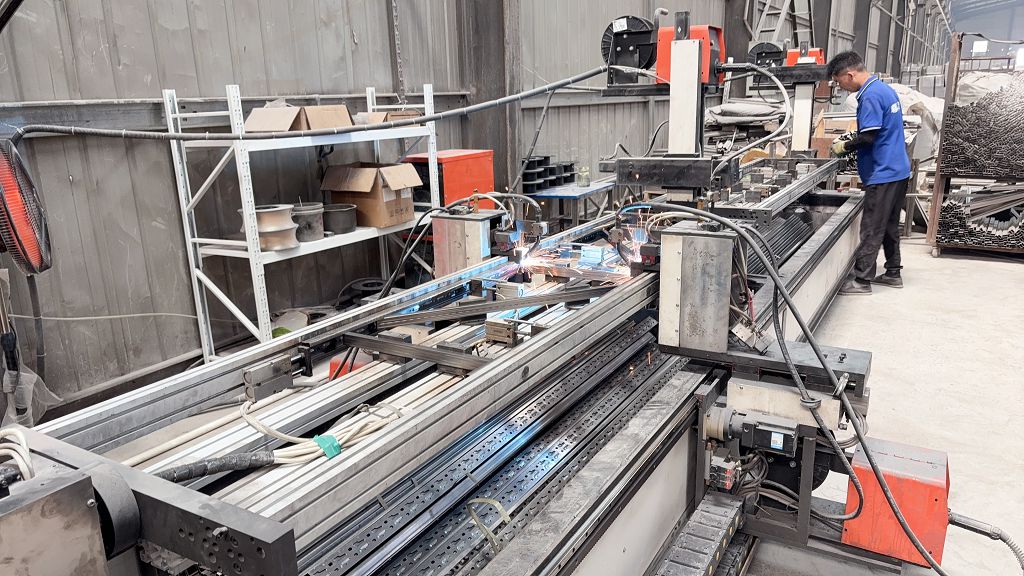
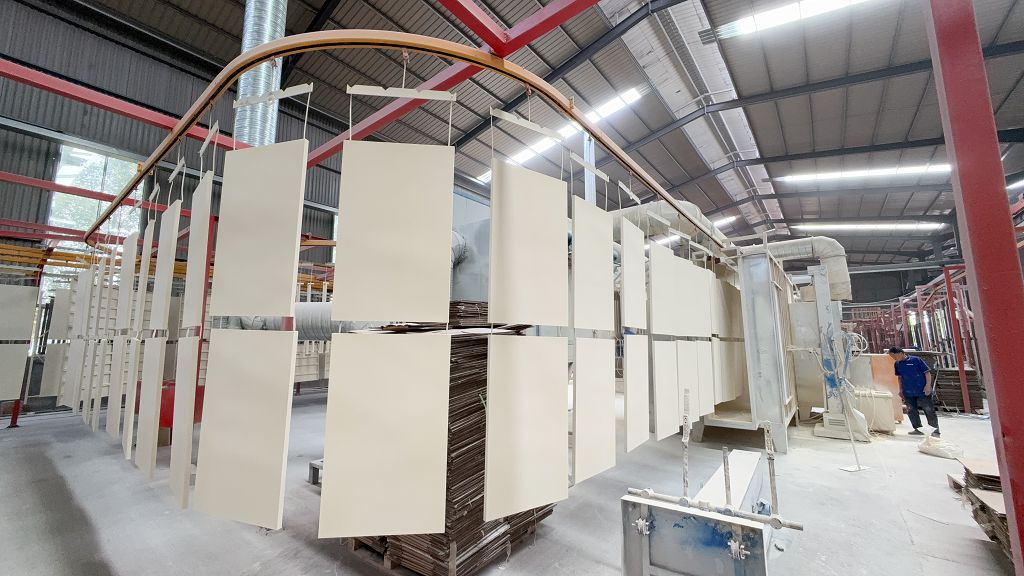
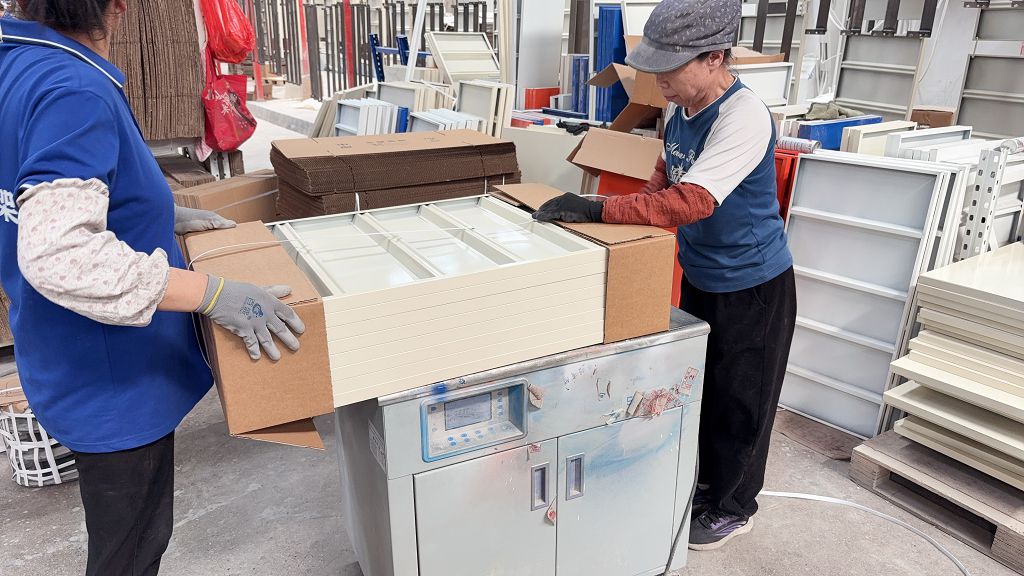
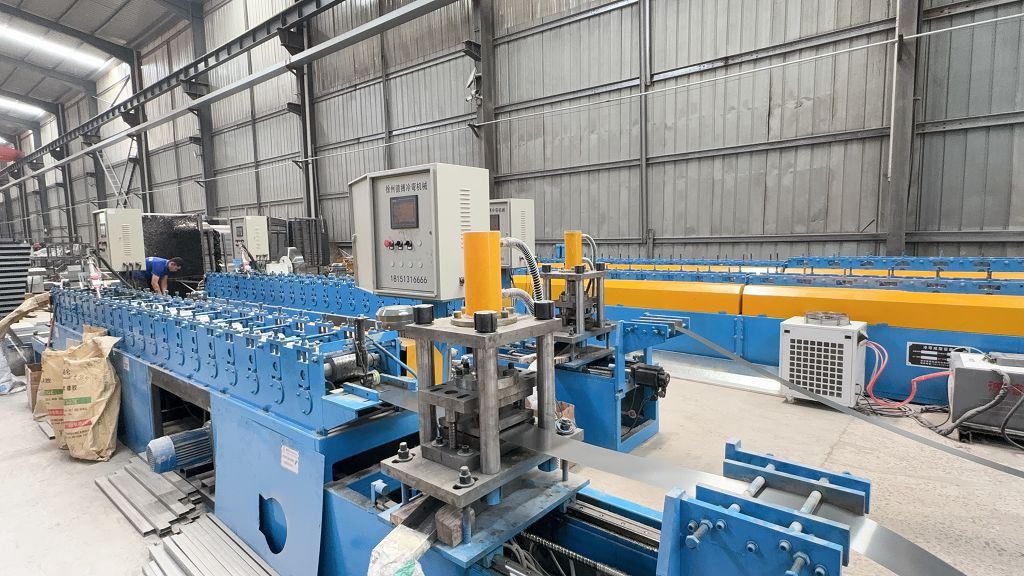
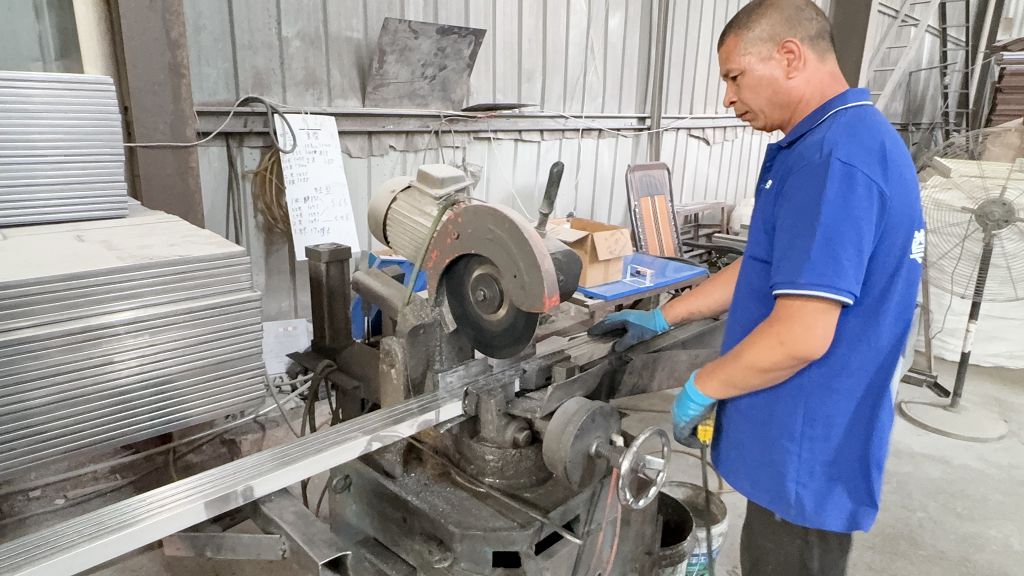
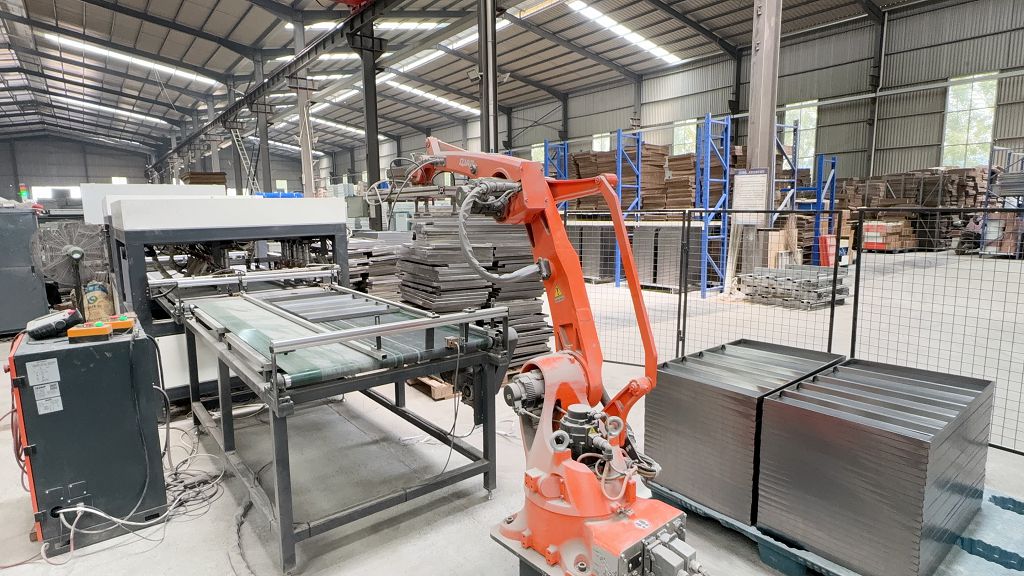
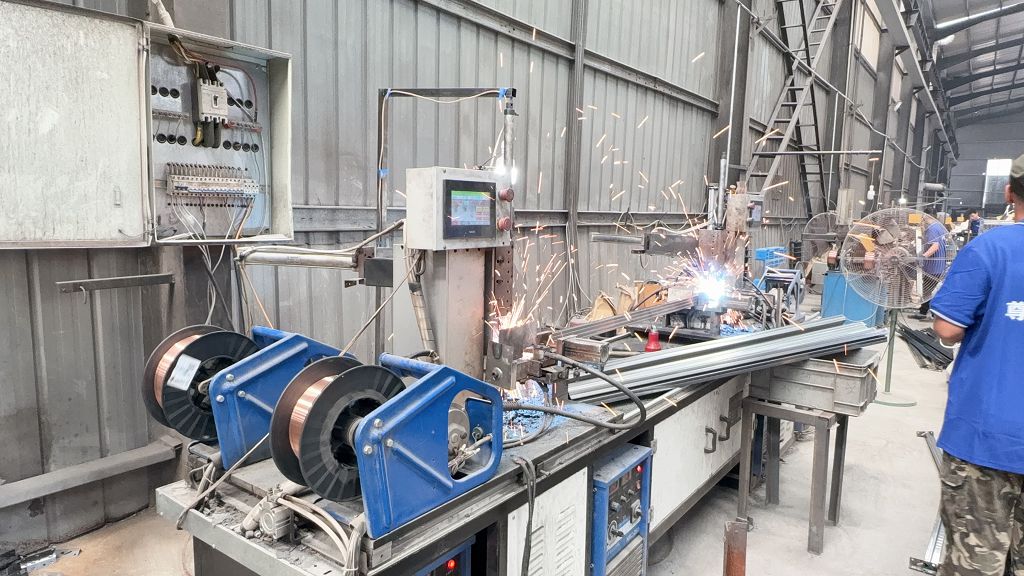
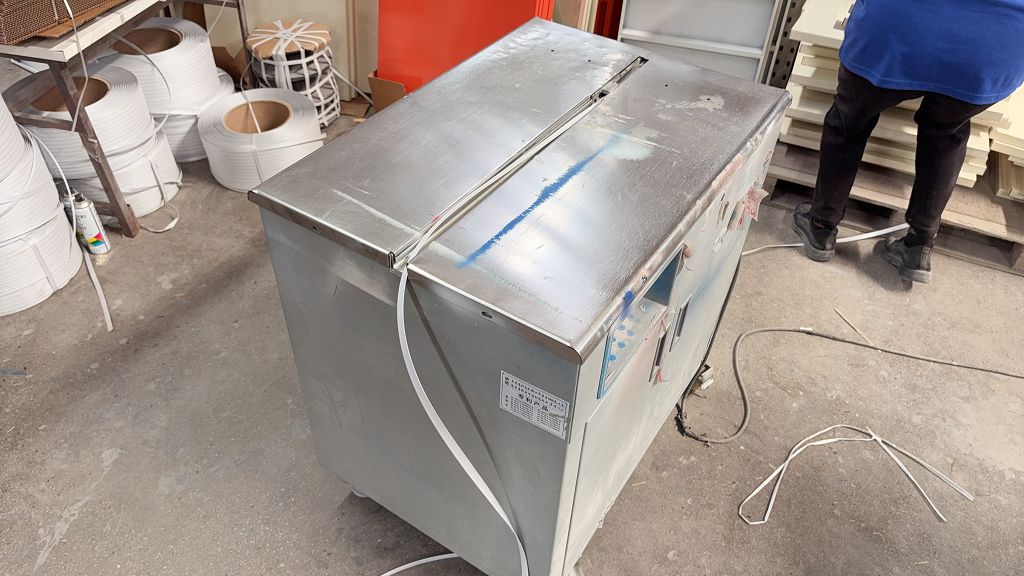
Our manufacturing processes are designed to handle demanding structural tolerances. By using automated welding lines, we minimize weld defects and reduce heat-affected zones, helping to preserve the core tensile properties of the steel. In dynamic gravity flow systems, this durability is essential for components like dynamic roller beds, speed controller mounts, and impact-absorption entry frames, which must withstand repeated, high-frequency loading.
| Engineering Attribute | Standard Specification (Q235B) | Heavy-Duty Option (Q355B / Structural Steel) | Quality Verification Method |
|---|---|---|---|
| Yield Strength (Mpa) | ≥ 235 MPa | ≥ 355 MPa | GB/T 228.1 Tensile Testing |
| Tensile Strength (Mpa) | 370 - 500 MPa | 470 - 630 MPa | Destructive Loading Test |
| Powder Coating Thickness | 60 - 80 Microns (μm) | 80 - 110 Microns (μm) | ISO 2178 Magnetic Gauge Test |
| Roller Pitch Precision | ± 0.5 mm | ± 0.25 mm | Laser Vernier Calibration |
| Dynamic Angle Gradient | 3% - 4% Standard Slope | Configurable (2% - 5.5% via Adjusters) | Digital Inclinometer Verification |
| Corrosion Resistance | Salt Spray Test ≥ 500 Hours | Hot-Dip Galvanized Options available | ASTM B117 Compliance |
How dynamic product flow systems adapt to localized warehouse layouts, regulatory codes, and logistics setups.
In cold storage facilities, maintaining sub-zero temperatures makes space utilization a primary driver of operational costs. Every cubic meter of unutilized air space increases energy overheads. Our customized product flow racking optimizes storage density by using a deep-lane configuration that concentrates thermal mass.
For these challenging conditions, we build racks using specialized structural steels designed to resist low-temperature embrittlement, finished with hot-dip galvanization or high-durability epoxy powder coatings. In addition, the gravity roller bearings are packed with low-viscosity synthetic lubricants rated for sub-zero temperatures, ensuring smooth pallet movement without seizure or stalling.
E-commerce fulfillment centers require rapid, high-volume item sorting. In these fast-paced environments, carton flow racks are often integrated into multi-tier pick modules. By keeping stock flowing continuously to the pick face, these systems minimize travel time for operators.
Nanjing Lush Rack offers modular, adjustable-pitch carton flow systems featuring full-width dynamic roller assemblies or split-lane plastic wheel designs. This allows warehouse managers to adjust the lane layouts quickly when packaging sizes or SKU configurations change.
In sectors like automotive manufacturing, machinery building, and heavy tooling, racks must handle concentrated weights that test structural limits. For these applications, we utilize heavy-duty structured steel beams, robust dynamic rollers, and integrated brake rollers to safely manage loads from 1,000 kg up to 2,000 kg per pallet.
To prevent physical impact damage, our designs feature entry impact guides and safety separators at the exit face. These components isolate the lead pallet from line pressure, protecting the racking structure during unloading and keeping forklift operations smooth and predictable.
How Nanjing Lush Rack is aligning dynamic flow engineering with the automation demands of Industry 4.0.
The logistics industry is rapidly adopting high levels of automation. Over the next decade, dynamic storage systems will transition from passive mechanical components to active elements within automated networks. Nanjing Lush Rack Co., Ltd. is proactively developing and implementing technology solutions to support this evolution.
Developing highly calibrated dynamic entry guides and precise deceleration ramps designed to interface seamlessly with high-speed automated crane shuttles and automatic stacker systems.
R&D testing of smart brake rollers featuring built-in speed sensors. These rollers monitor pallet transit speeds in real time and automatically flag lane obstructions or mechanical variances to WMS platforms.
Refining passive kinetic brake mechanisms to eliminate the need for electrical wiring in deep storage lanes. This design reduces energy footprints while maintaining safe, controlled pallet descent speeds.
Our engineering team focuses on structural durability, optimizing steel profiles to reduce material weight without sacrificing load-bearing capacity. Additionally, we are expanding our use of recyclable alloys and low-VOC powder coatings to help clients meet global sustainability and environmental targets.
Detailed engineering and procurement insights to assist project leads, facility managers, and B2B buyers.
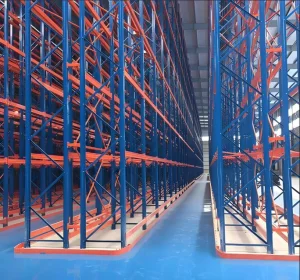
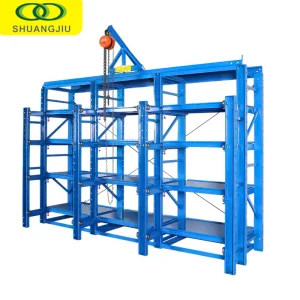
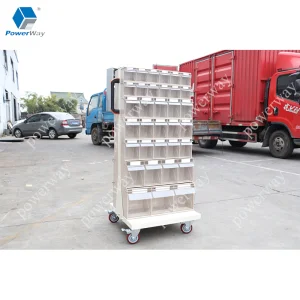
Explore our advanced dynamic racking configurations designed to maximize storage density and streamline fulfillment.
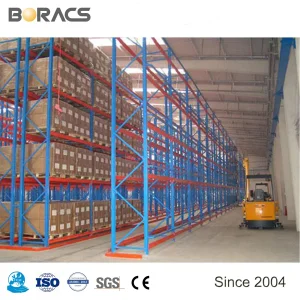
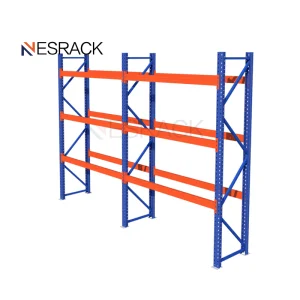
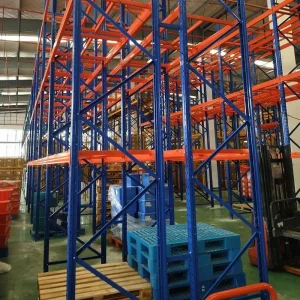
 Lush Rack