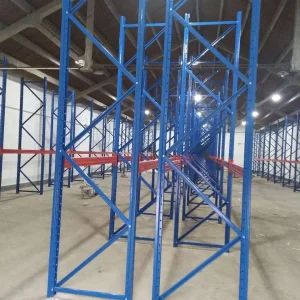
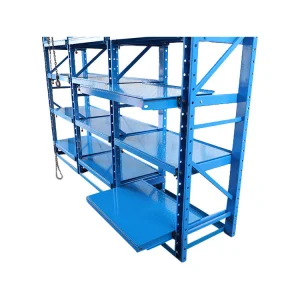
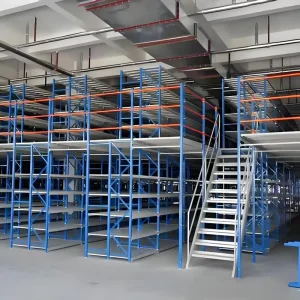
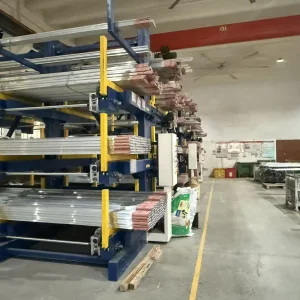
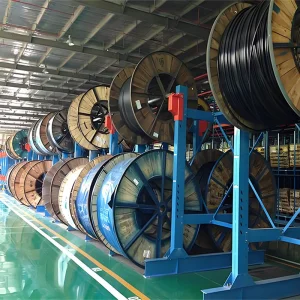
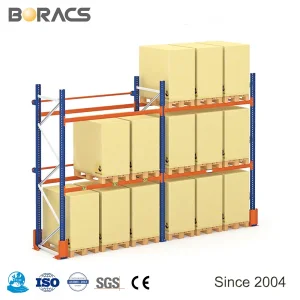
Engineered to exceed strict global load tolerances and seismic specifications. Discover our heavy-duty industrial configurations below.
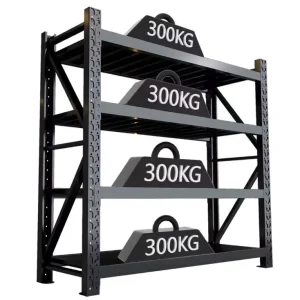
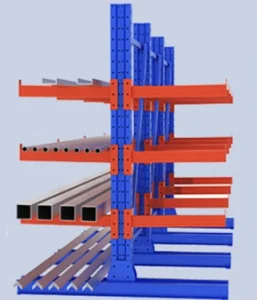
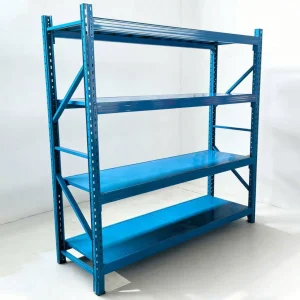
Global logistics infrastructure faces unprecedented structural pressure. Industrial land costs have escalated rapidly in prime transit hubs across Western Europe, North America, and dynamic growth corridors in Southeast Asia. This real estate compression forces supply chain operators to transition from footprint expansion to vertical maximization. High Rise Storage Solutions represent the critical engineering pathway to achieve ultra-high footprint optimization without sacrificing operational efficiency.
Modern warehouse operations require solutions that seamlessly support high payload thresholds, deep automation interfacing, and long-term durability under dynamic cycles. In an era dominated by rapid e-commerce turnover and advanced manufacturing processes, standard industrial racking is no longer sufficient. Enterprise procurement divisions demand comprehensive structures capable of withstanding dynamic lateral loads, seismic accelerations, and high-frequency pallet picking operations.
Deploying a 12-meter to 24-meter Narrow Aisle (VNA) or Automated Storage and Retrieval System (AS/RS) configuration reduces horizontal floor print requirements by up to 65% compared to traditional 6-meter selective racking layouts, while simultaneously expanding storage volume utilization by over 200% per square meter.
The structural stability of high-rise racking rests on mechanical design and metallurgical purity. At the core of Nanjing Lush Rack Co., Ltd.'s high-capacity configurations is Q355 structural steel. Q355 is a low-alloy, high-strength steel grade specified for its optimized load-to-weight ratio and superb welding properties, which outperforms standard Q235 steel in yield strength by over 50%.
To safeguard structural safety at heights exceeding 10 meters, our engineering division implements advanced structural simulation modeling. This includes Finite Element Analysis (FEA) to assess dynamic shear loads, axial stress distributions, and Euler’s buckling thresholds on upright columns under varying load patterns. Below is the technical breakdown comparing standard and high-performance steel profiles utilized in high-rise racking frameworks:
| Steel Grade & Code | Yield Strength (MPa) | Tensile Strength (MPa) | Typical Height Limits | Ideal Application Environments |
|---|---|---|---|---|
| Q235 (Standard Carbon Steel) | 235 Min | 370 - 500 | Up to 6 Meters | Light-to-medium duty manual picking, standard retail shelving. |
| Q345 / Q355 (Low-Alloy High-Strength) | 355 Min | 470 - 630 | 6 to 24 Meters | Heavy-duty VNA, AS/RS, mold storage, high-density flow racks. |
| EN 10025 S355JR (European Equivalent) | 355 Min | 470 - 630 | 6 to 24 Meters | Global cold-chain systems, heavy logistics hubs, high dynamic loads. |
Enterprise-grade procurement requires alignment with localized building codes and safety legislation. For international logistics providers, importing structural steel racking from China demands compliance with international engineering guidelines. Without these validations, insurance underwriters and municipal building inspectors may reject installations.
Nanjing Lush Rack Co., Ltd. builds solutions that conform directly to local safety standards across multiple major jurisdictions:
Before final deployment, structural engineers perform complete load analyses to verify that the warehouse slab can support the racking's concentrated baseplate loads. These configurations must include structural column guards, heavy duty drop-in safety pins, and wire mesh decking or safety backstops to mitigate risks of falling pallets in high-traffic distribution corridors.
Modern intralogistics is transitioning toward automated high-bay warehouses. Industrial racking is no longer a static storage structure; it has become the physical backbone for automated cranes, shuttle fleets, and complex conveyor networks. In an AS/RS or shuttle-integrated layout, structural tolerances must be kept within millimeter ranges. A minor column misalignment can halt automated operations or cause system collisions.
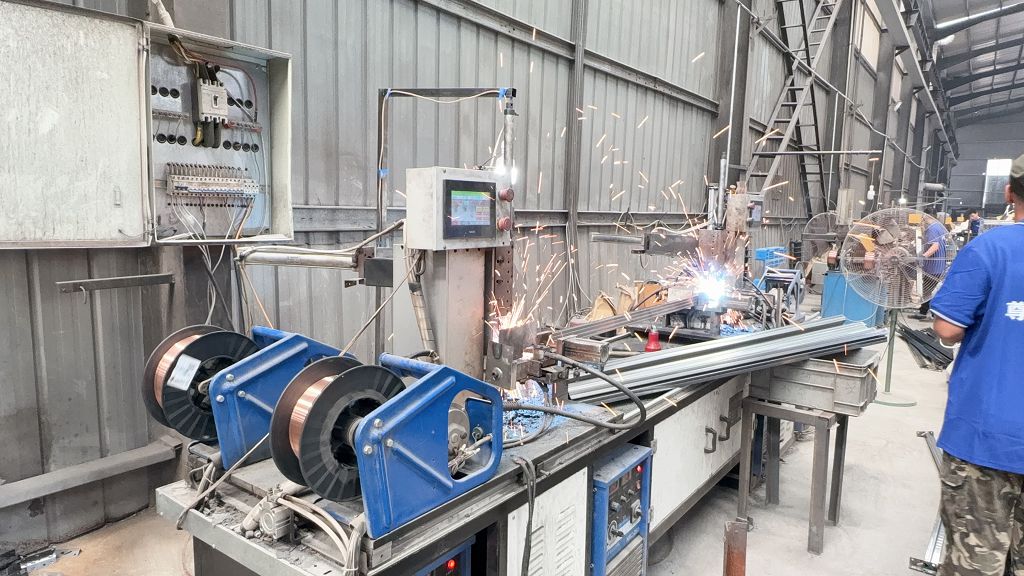
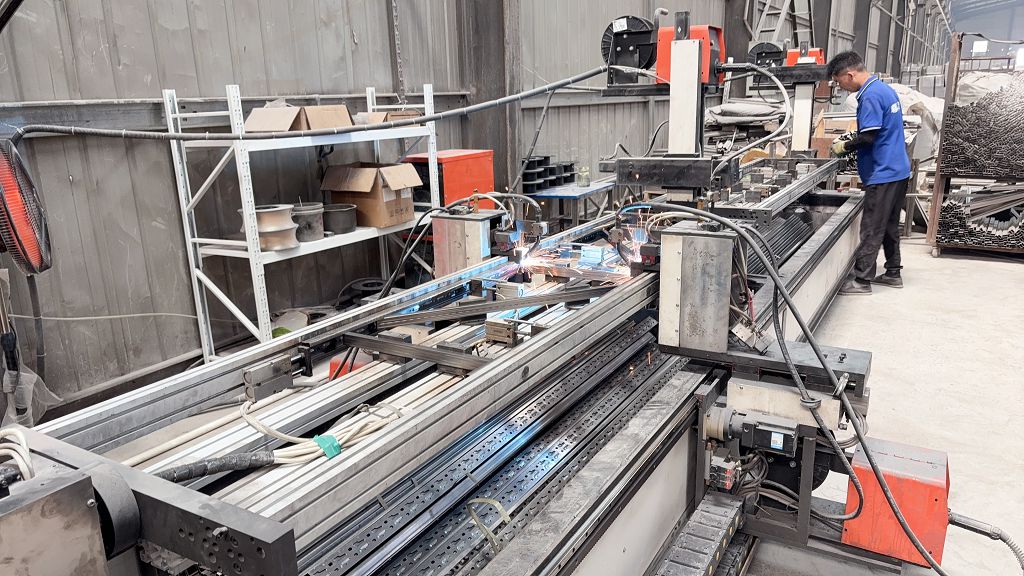
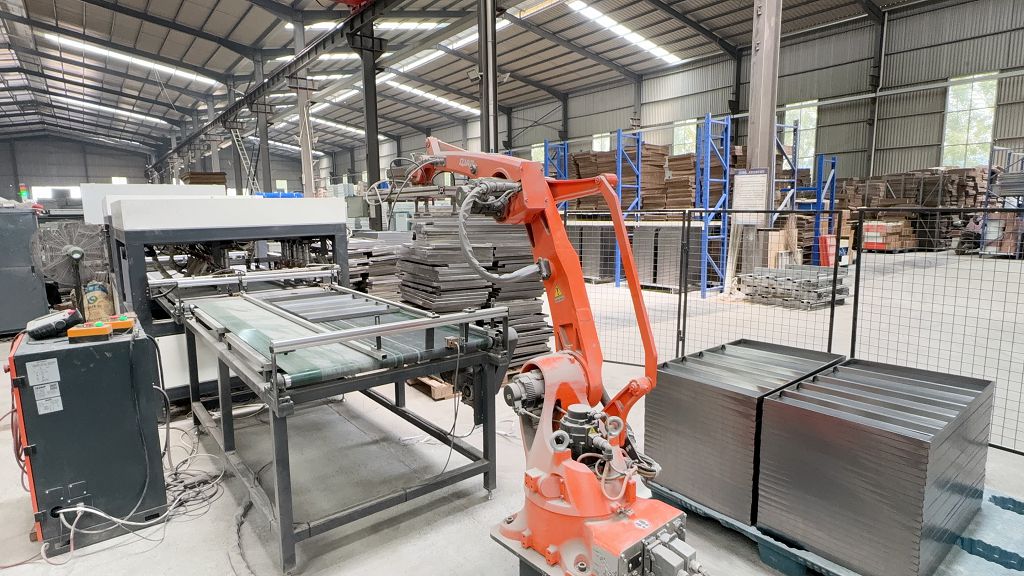
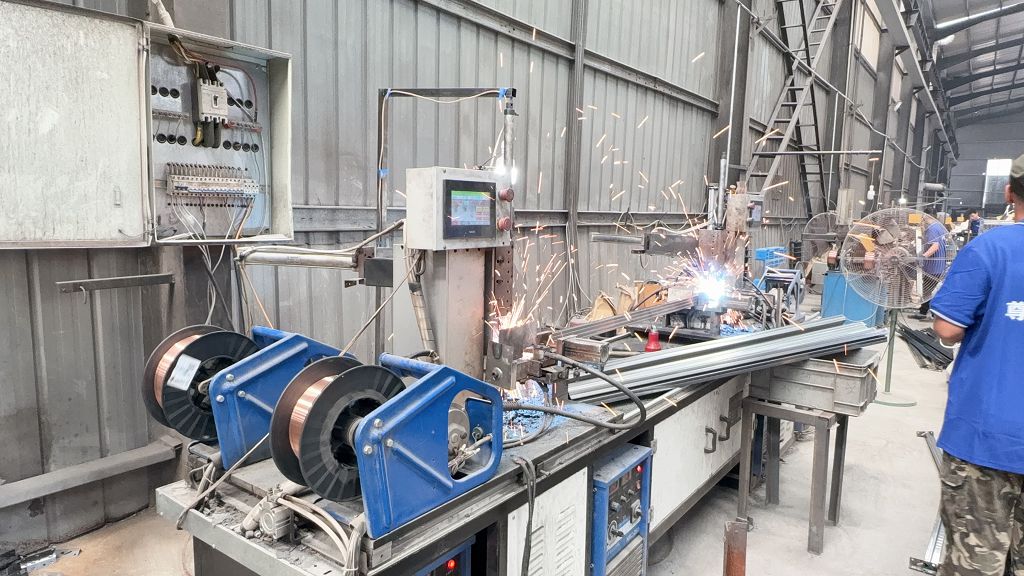
Our engineering roadmap integrates precision-manufactured guide rails, customized sensor mounts, and high-tolerance run-out tracks designed specifically to interface with automated guided vehicles (AGVs) and high-speed stacker cranes. By implementing automated robotic welding, we ensure that every vertical splice and beam weld maintains exact dimensional consistency, supporting smooth operations for high-density storage facilities.
Nanjing Lush Rack Co., Ltd. is a professional manufacturer specializing in industrial storage racking systems and warehouse storage solutions. The company is dedicated to the research, design, production, and installation of a full range of warehouse racks and shelving systems, providing efficient and reliable storage infrastructure for modern logistics and supply chain operations.
With strong engineering capabilities and advanced manufacturing equipment, Nanjing Lush Rack Co., Ltd. is able to deliver complete warehouse racking solutions from concept design and structural calculation to production, quality inspection, and installation guidance. Our engineering team works closely with clients to analyze warehouse space utilization, material flow, and load requirements, ensuring that each solution is safe, stable, and cost-effective.
The company maintains a strict quality control system throughout the production process, from raw material selection to final product inspection. All racking systems are designed and manufactured to meet international safety and durability standards, ensuring long service life and reliable performance even under heavy industrial use.
Nanjing Lush Rack Co., Ltd. has a skilled technical team and an experienced sales department that provides responsive communication and professional support. With stable production capacity and efficient supply chain management, we are capable of handling both standard orders and large-scale customized projects with consistent quality and on-time delivery.
Our products are widely used in industries such as logistics and distribution, e-commerce fulfillment centers, manufacturing, automotive parts storage, cold chain logistics, and retail warehousing. We have established a strong customer base across domestic markets in China, and our products are also exported to Southeast Asia, Europe, North America, and other international regions.
As a trusted partner in warehouse storage solutions, Nanjing Lush Rack Co., Ltd. is committed to delivering high-quality racking systems, innovative storage concepts, and long-term value for our customers. We continue to focus on improving warehouse efficiency, reducing operational costs, and supporting the development of modern intelligent logistics systems.
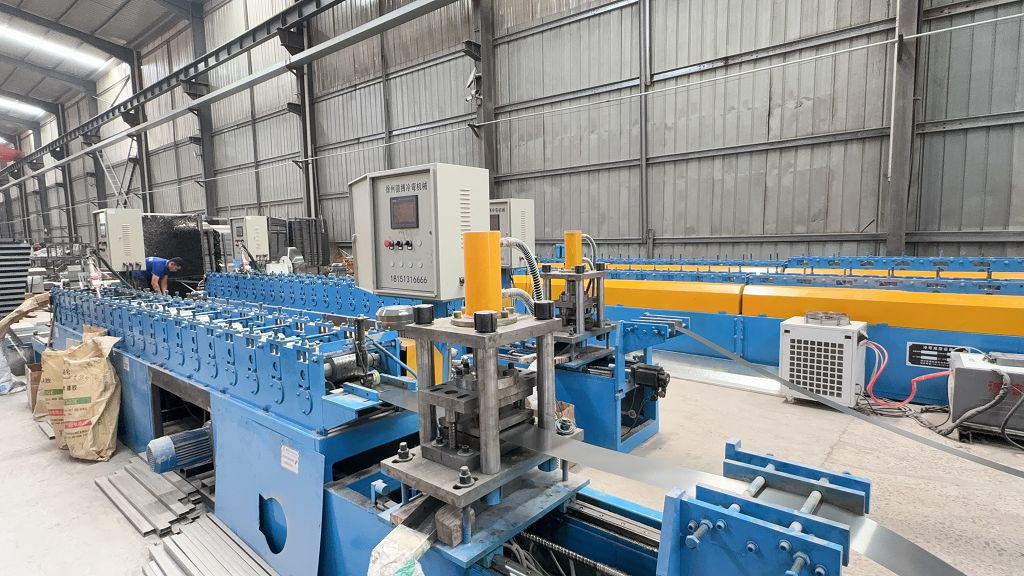
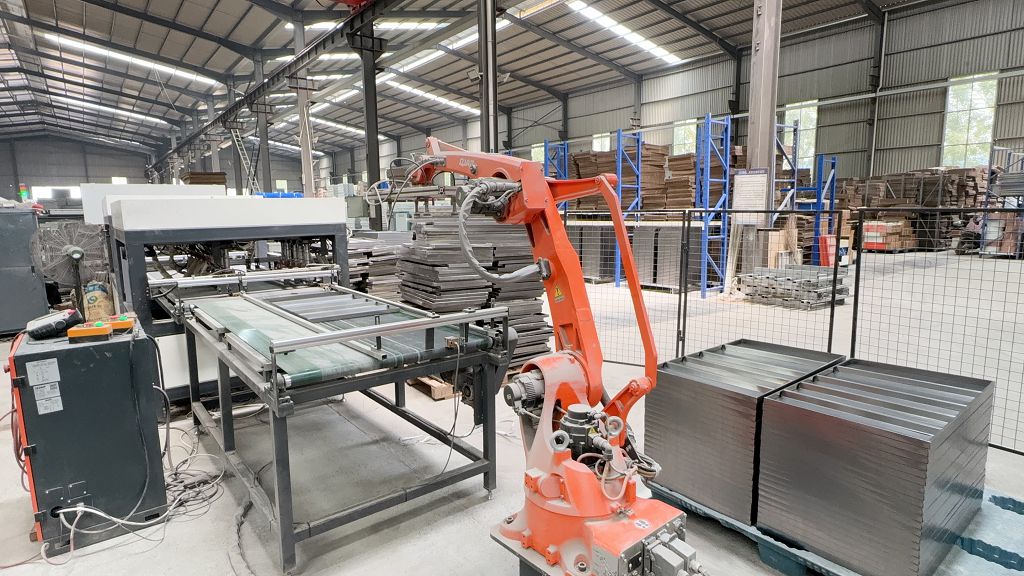
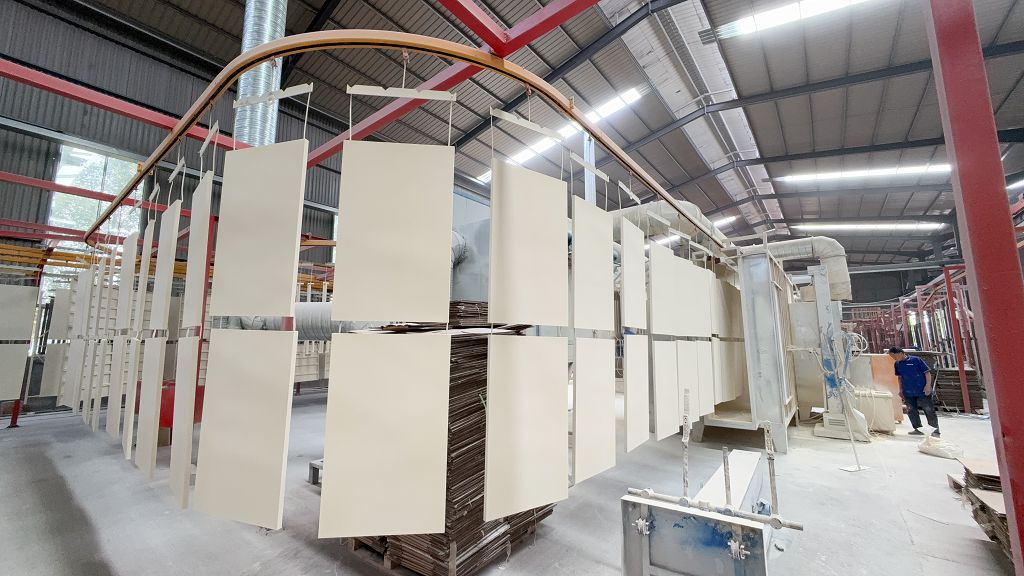
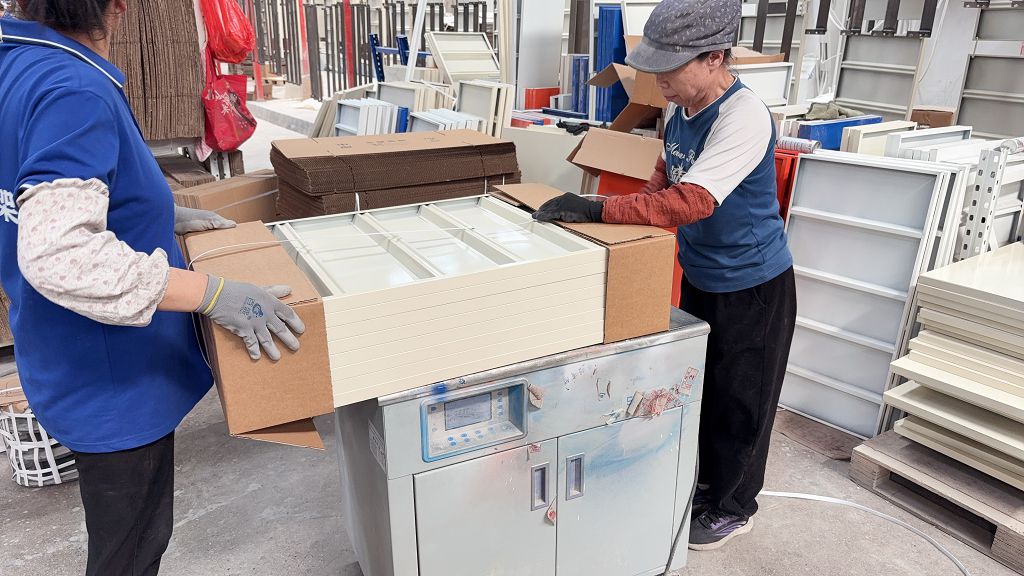
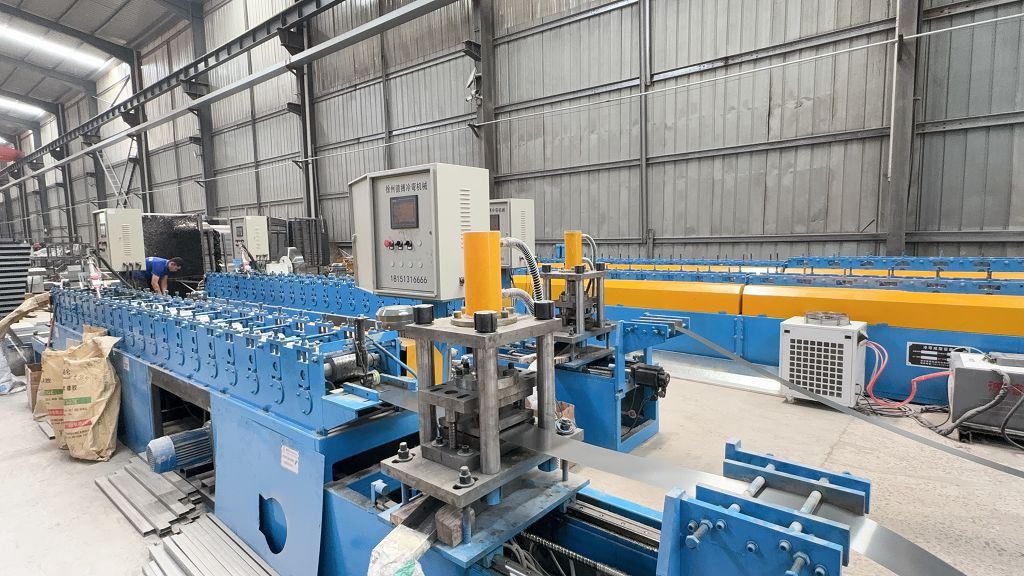
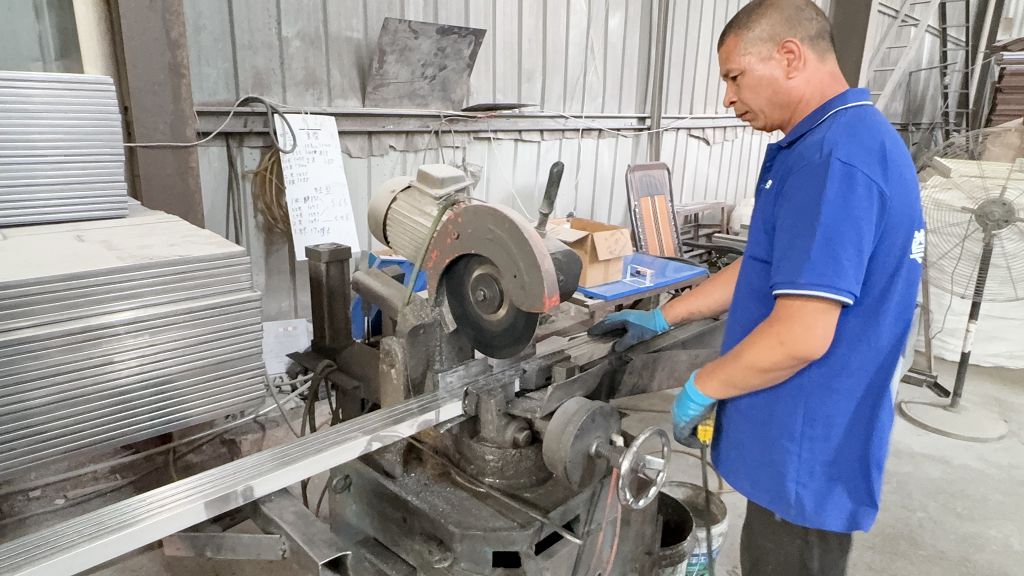
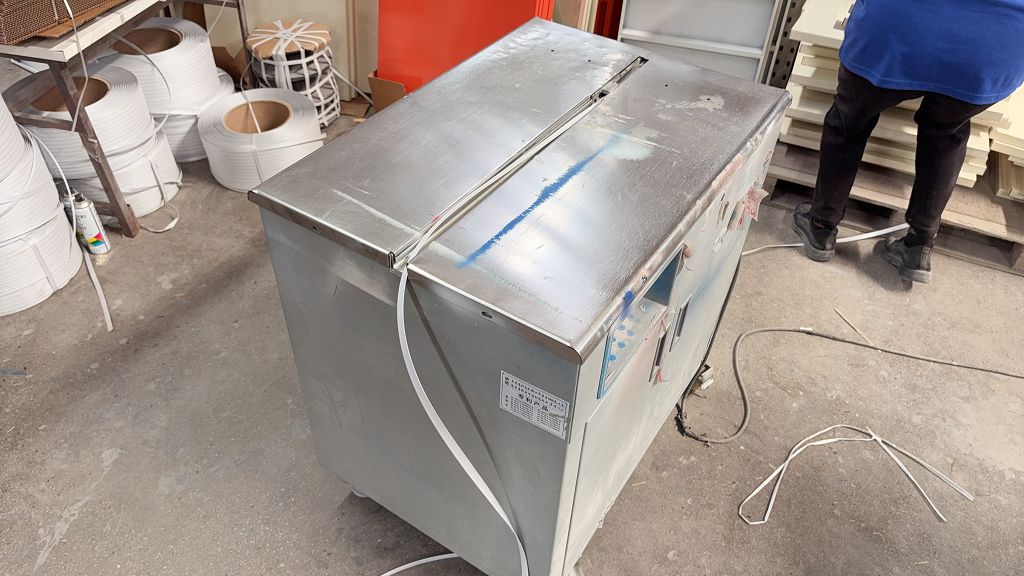
To maintain the dimensional tolerances required for high-rise storage applications, our manufacturing facility utilizes high-precision automated machinery. Our production floor integrates robotic structural welding, automated roll-forming lines, and continuous powder-coating systems, minimizing variations in dimensional alignment and weld quality.
This diagnostic section provides operational answers to technical and structural engineering questions raised by international procurement managers during high-rise racking installations.
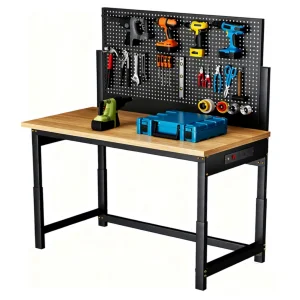
Explore our auxiliary material handling systems, workstations, and high-capacity industrial shelving systems engineered to support diverse warehouse operations.
 Lush Rack