Engineered structural solutions maximizing volumetric space density and pick velocity for global logistical hubs.
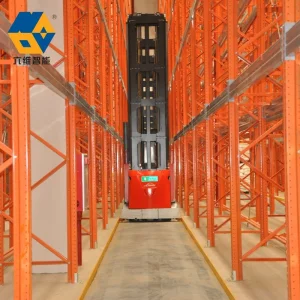
Modern supply chain footprints demand structural configurations that move beyond static steel shelving. Globally distributed corporate logistics centers, specialized cold chain repositories, and high-velocity e-commerce distribution facilities face systemic pressure to balance structural loading capacity with optimized square footage utilization. This B2B analysis serves as a comprehensive primer on the technical, compliance, and design frameworks that govern modern warehouse racking systems.
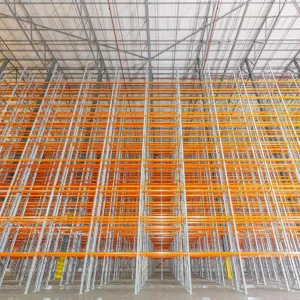
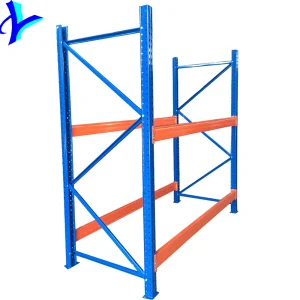
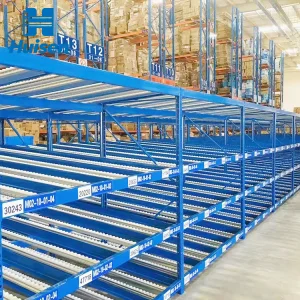
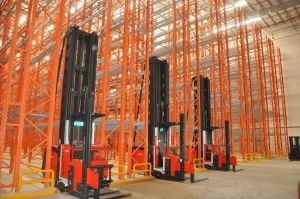
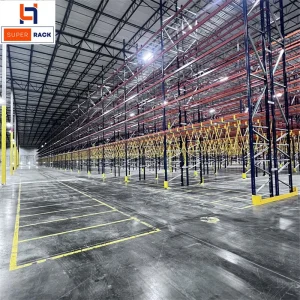
Global real estate yields require supply chain executives to maximize vertical airspace. System configurations like Very Narrow Aisle (VNA) pallet racking minimize horizontal aisle paths down to 1.6 meters, recapturing up to 45% of lost floor space relative to conventional wide-aisle systems. Integrating steel flow gravity tracks and automated roll systems ensures continuous stock rotation (First-In, First-Out: FIFO), preventing stagnant storage bottlenecks and reducing manual transit times.
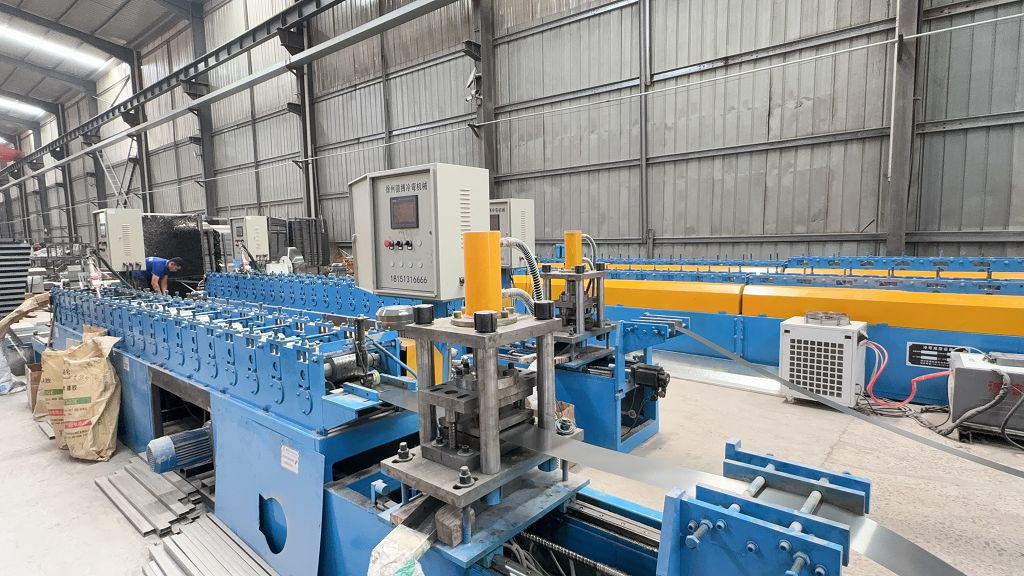
Note on Material Grades: Quality manufacturers process high-strength structural carbon steels (such as Q235B and Q355B) through continuous cold-forming roll mills. The precision profiles yield strict load-to-deflection tolerances in compliance with EN 15512 and RMI frameworks.
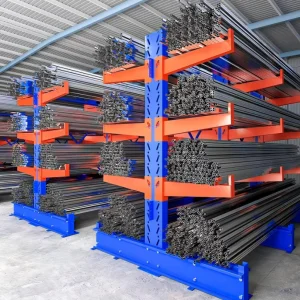
Long-form structural payloads, including structural timber, carbon steel piping, and aluminum extrusions, present distinct storage hazards if stored on conventional pallet frames. Multi-directional cantilever designs mitigate lateral deflection by utilizing heavy-duty tapered arms that slip-fit into rolled upright columns. By adjusting arms incrementally, operations teams can easily adapt configurations for variable load profile lengths and heights without compromising safety coefficients.
Aligning structural storage parameters with operational requirements across primary global business sectors.
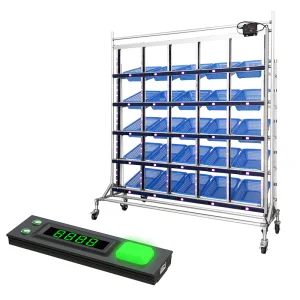
Automated Storage and Retrieval Integration (AS/RS): The intersection of racking engineering and robotic logistics is critical for modern fulfillment facilities. Custom gravity roller systems combined with put-to-light sorting walls streamline processing. Sturdy structural framing ensures that Automated Guided Vehicles (AGVs) and autonomous cranes run smoothly along guide rails, maintaining narrow clearances and preventing contact with rack columns.
Corrosion and Environmental Protection: For cold-chain operations and chemical warehouses, metal longevity is a major concern. High-durability finishes, such as electrostatic epoxy powder coatings and hot-dip galvanized finishes, protect racks from humidity and freezing temperatures down to -40°C. These coatings prevent surface degradation and hydrogen embrittlement in the steel core, ensuring long-term safety.
Nanjing Lush Rack Co., Ltd. is a professional manufacturer specializing in industrial storage racking systems and warehouse storage solutions. The company is dedicated to the research, design, production, and installation of a full range of warehouse racks and shelving systems, providing efficient and reliable storage infrastructure for modern logistics and supply chain operations.
With strong engineering capabilities and advanced manufacturing equipment, Nanjing Lush Rack Co., Ltd. is able to deliver complete warehouse racking solutions from concept design and structural calculation to production, quality inspection, and installation guidance. Our engineering team works closely with clients to analyze warehouse space utilization, material flow, and load requirements, ensuring that each solution is safe, stable, and cost-effective.
The company maintains a strict quality control system throughout the production process, from raw material selection to final product inspection. All racking systems are designed and manufactured to meet international safety and durability standards, ensuring long service life and reliable performance even under heavy industrial use.
Nanjing Lush Rack Co., Ltd. has a skilled technical team and an experienced sales department that provides responsive communication and professional support. With stable production capacity and efficient supply chain management, we are capable of handling both standard orders and large-scale customized projects with consistent quality and on-time delivery.
Our products are widely used in industries such as logistics and distribution, e-commerce fulfillment centers, manufacturing, automotive parts storage, cold chain logistics, and retail warehousing. We have established a strong customer base across domestic markets in China, and our products are also exported to Southeast Asia, Europe, North America, and other international regions.
As a trusted partner in warehouse storage solutions, Nanjing Lush Rack Co., Ltd. is committed to delivering high-quality racking systems, innovative storage concepts, and long-term value for our customers. We continue to focus on improving warehouse efficiency, reducing operational costs, and supporting the development of modern intelligent logistics systems.
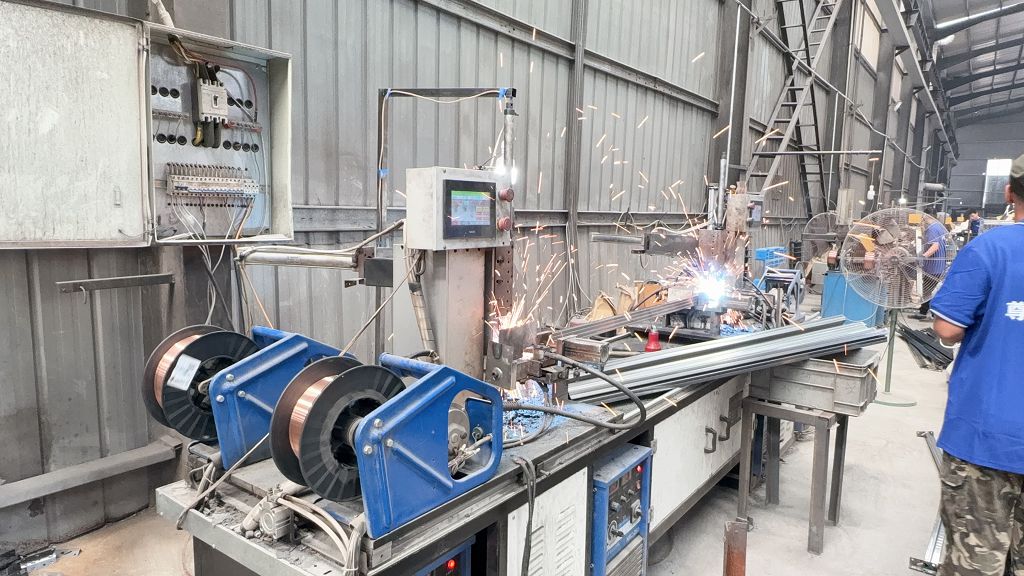
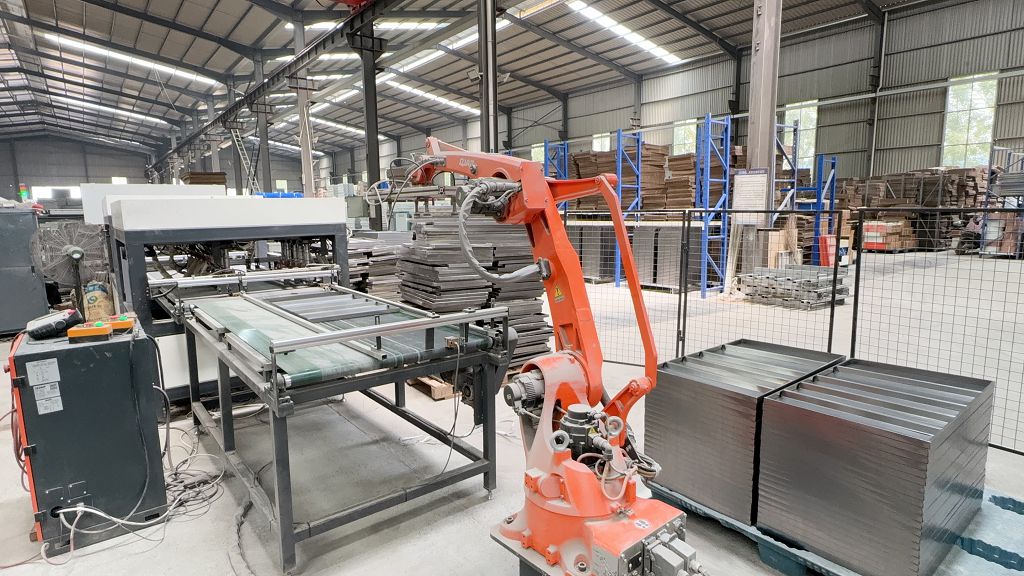
Our production facilities utilize automated machinery and precision welding processes to ensure high durability and structural consistency.
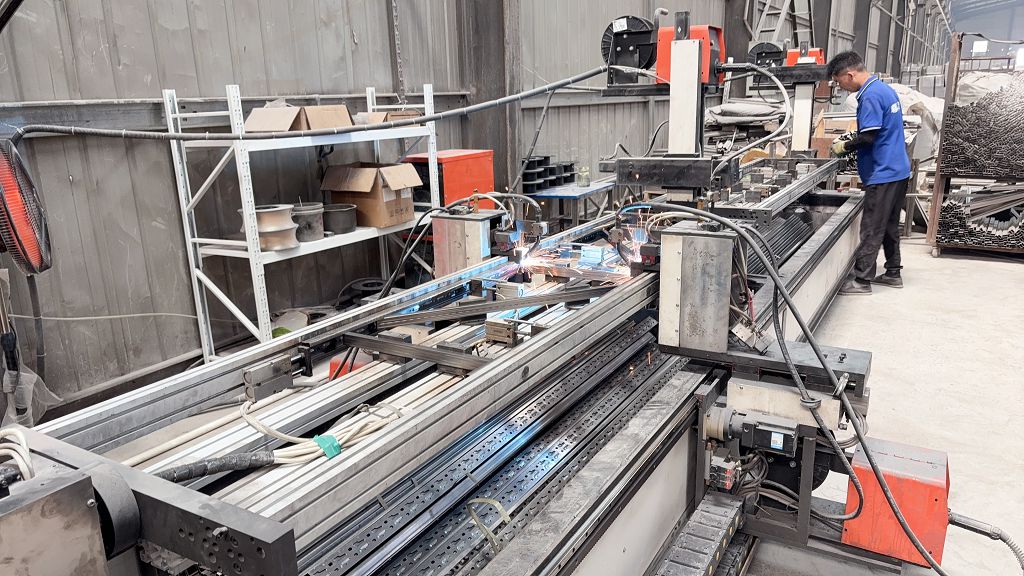
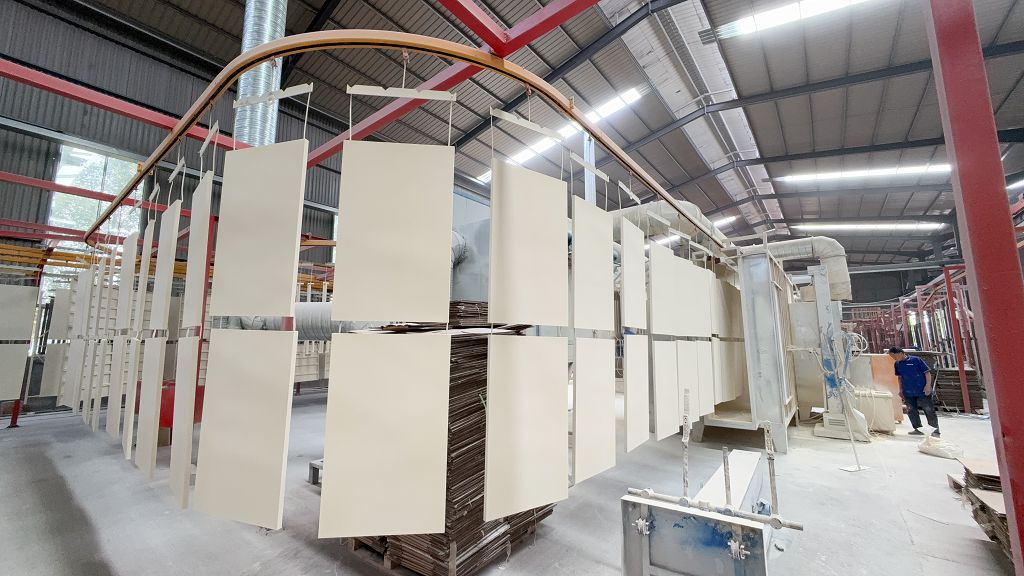
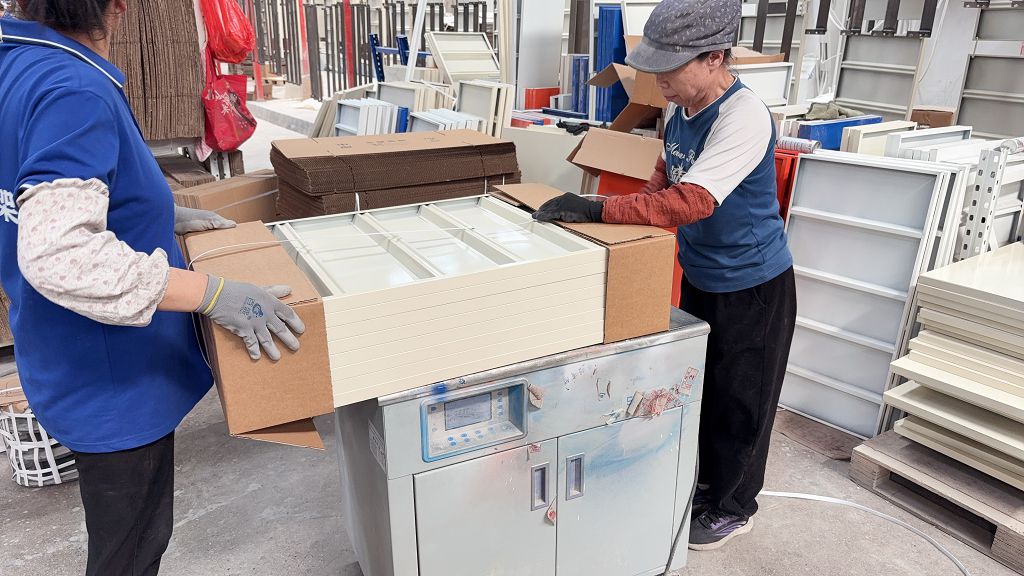
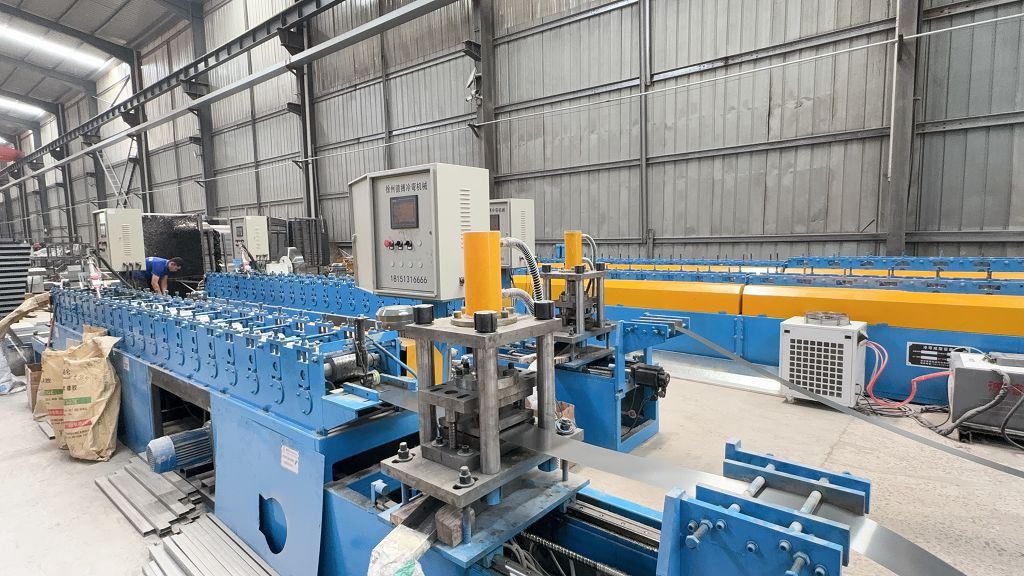
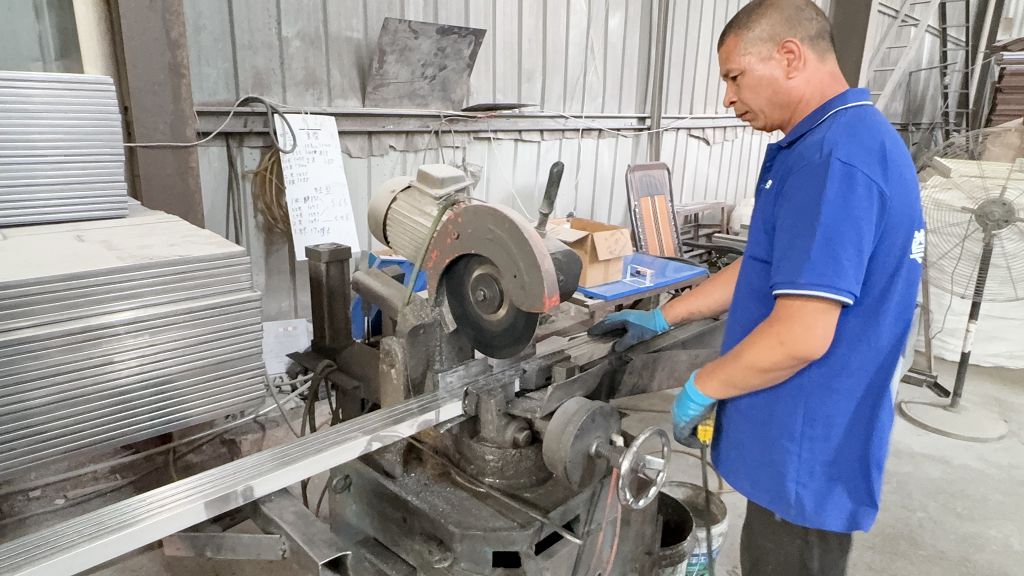
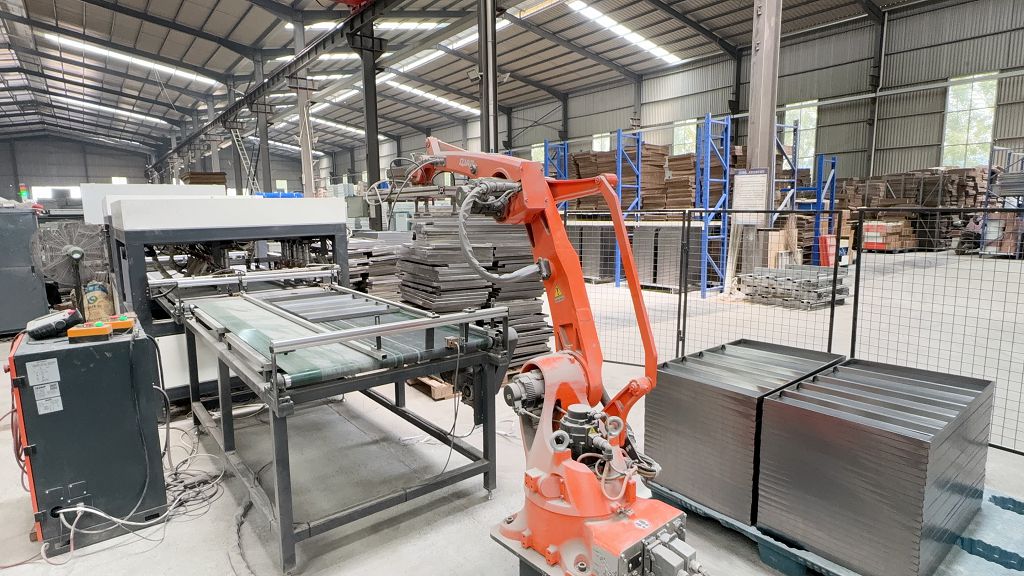
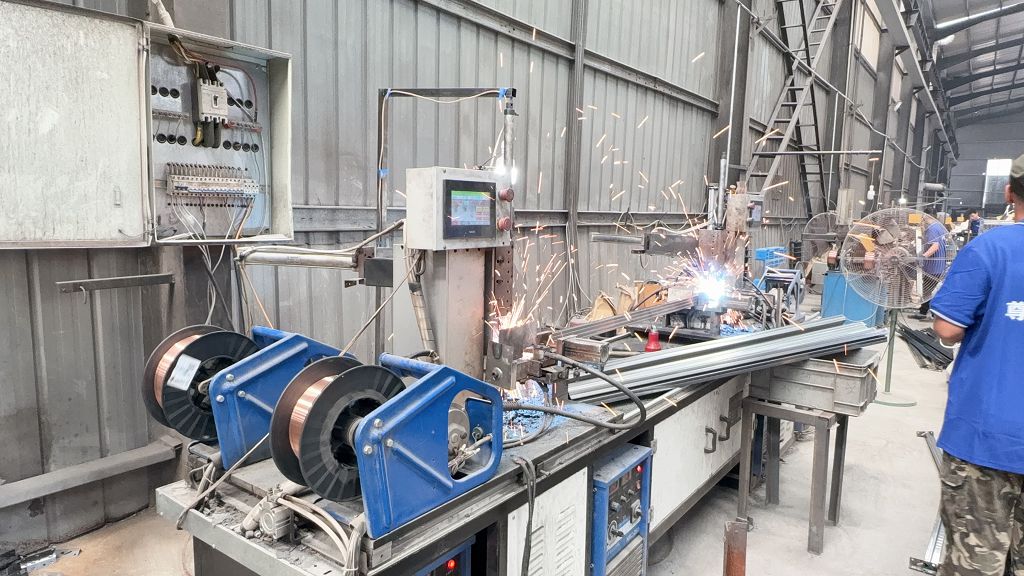
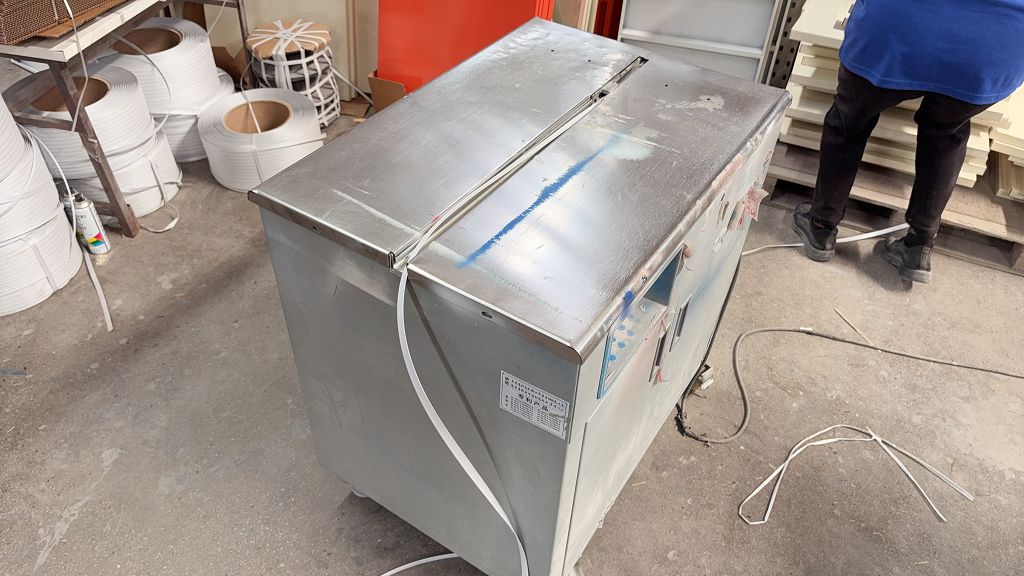
Our engineering standards ensure safety, code compliance, and structural integrity across global distribution networks.
Designed and verified in accordance with EN 15512, EN 15620, and EN 15635 specifications to guarantee safe design, build quality, and operating clearances.
Manufactured to meet the Rack Manufacturers Institute (RMI) standards, ensuring load carrying calculations account for high seismic activities and frame impacts.
Supported by ISO9001 quality management structures, Factory Mutual (FM) guidelines, and CE certifications that verify safe production procedures.
Every layout is digitally modeled to identify structural stress points and simulate wind, snow, and seismic forces based on local geographic conditions.
Cold-formed uprights and box beams are manufactured within precise mechanical tolerances, ensuring consistent fitment during field installation.
High-visibility safety accessories, such as structural steel column protectors and heavy-duty aisle barriers, shield structural frames from forklift collisions.
Engineered structural frames, wire decking, and modular platforms designed for complex warehouse and workshop applications.

Find answers to common technical queries about industrial shelving configuration, engineering approvals, and material compliance.
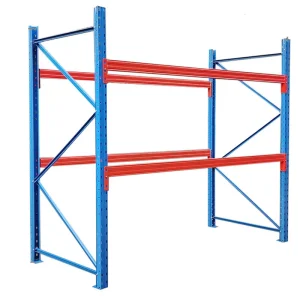
Load capacity is determined by upright frame profiles, beam section height, material thickness, and vertical beam spacing. Standard configurations support 1000kg to 4000kg per bay. To ensure safety, structural calculations must follow RMI (US) or EN 15512 (Europe) design methods, taking deflection limits under full load into account.
In seismic zones, racking designs must include wider, thicker baseplates, heavy-duty floor anchor bolts, and additional diagonal bracing. Standard calculations use dynamic simulation software to ensure stability under horizontal forces. This minimizes structural sway and prevents collapse during seismic events.
Hot-dip galvanized wire mesh decking offers high fire safety compliance by allowing sprinkler water to flow through the rack structure. It prevents dust build-up, improves visibility for operators, and resists moisture and corrosion. This makes it ideal for cold chain storage and food-grade facilities.
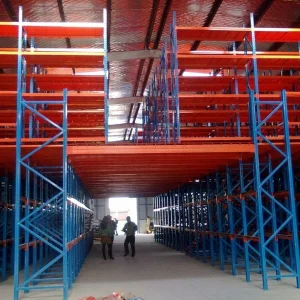
Designing a mezzanine requires the clear internal building height, slab load capacity, required uniform distributed load (UDL) per square meter, column grid spacing, and placement of staircases or lift gates. Designs must comply with building codes for safe exits, fire walls, and structural loading.
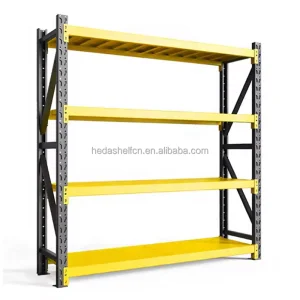
Boltless shelving uses interlocking rivet or keyhole connectors that secure under gravity loads. When weight is placed on the shelves, the steel connections lock tighter together. This eliminates loose fasteners, speeds up installation, and allows for quick height adjustments without specialized tools.
 Lush Rack