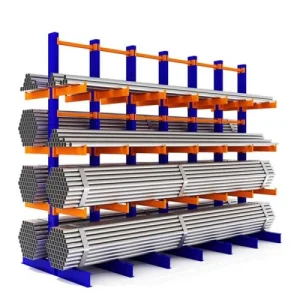
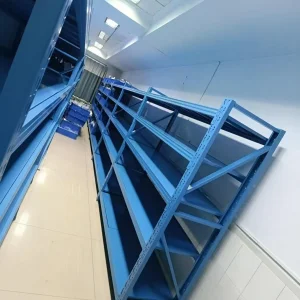
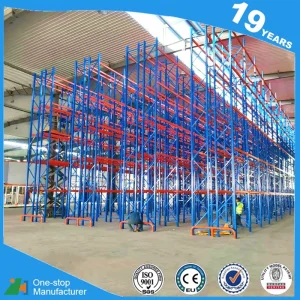
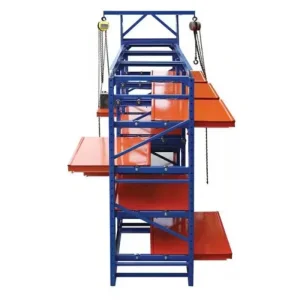
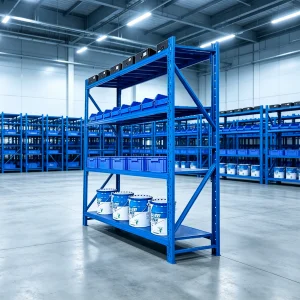
Engineered structural systems designed to optimize space utilization, structural load capacities, and supply chain throughput.
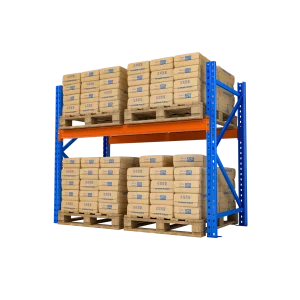
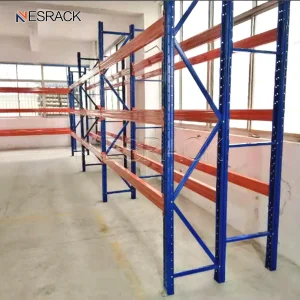
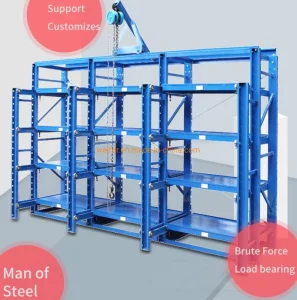
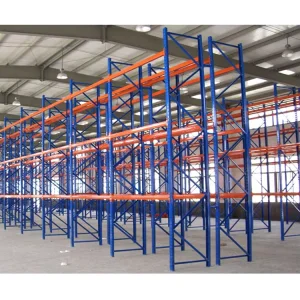
The global logistics and industrial warehousing landscape is experiencing a paradigm shift driven by rising land costs, rapid urban expansion, and the explosive growth of the cold chain and fast-moving consumer goods (FMCG) sectors. In this high-density environment, standard selective racking systems fail to deliver the volumetric efficiency required to sustain modern operational margins. This is where Drive-In and Drive-Thru Warehouse Systems serve as the structural backbone of space optimization.
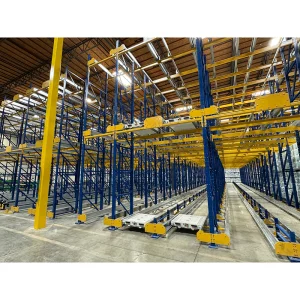
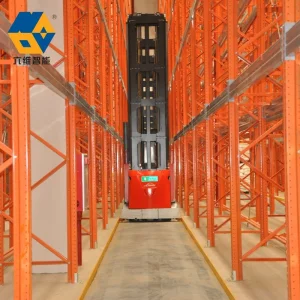
Drive-Thru racking operates under a high-density configuration that allows forklift operators to drive directly into the racking lanes to deposit and retrieve pallets. While similar to Drive-In racking, which operates on a Last-In, First-Out (LIFO) model, Drive-Thru racking relies on a First-In, First-Out (FIFO) structural configuration. By featuring designated entry and exit faces on opposite sides of the storage block, Drive-Thru systems achieve maximum rotation speeds without sacrificing density, making them highly desirable for perishable goods, chemical storage, and cross-docking operations.
Across global logistics corridors, industrial developers are optimizing site utilization from a typical 40% using standard selective racking up to 75% to 85% footprint utilization via Drive-Thru mechanics. By eliminating structural operating aisles, facilities effectively double their storage capacity within the same square footage. This industrial viability has translated into a multibillion-dollar global market, particularly in land-constrained areas such as East Asia, Central Europe, and the urban fringes of North America.
Maximizes vertical cube usage while eliminating unnecessary operating aisles, turning redundant floor space into active storage channels.
Ensures that older batches are pushed forward for retrieval first, crucial for fresh produce, pharmaceuticals, and temperature-controlled materials.
Custom structural engineering features robust top bracing, heavy-duty upright frames, and anchoring footplates designed to withstand seismic forces.
Storage Density Gain
High-Tensile Steel
Optimized Product Rotation
Tailored Project Integration
The drive-thru warehousing domain is evolving from basic static racks into highly engineered, intelligent structural systems. The primary trends driving innovation include:
1. Integration of Automated Storage & Retrieval Systems (ASRS): Pure manual forklift operations inside storage tunnels are increasingly replaced or supplemented by automated radio shuttle cars. By inserting semi-automated pallet shuttles into the Drive-Thru steel profiles, suppliers create hybrid structures that reduce lift-truck transit times and mitigate rack collision damage.
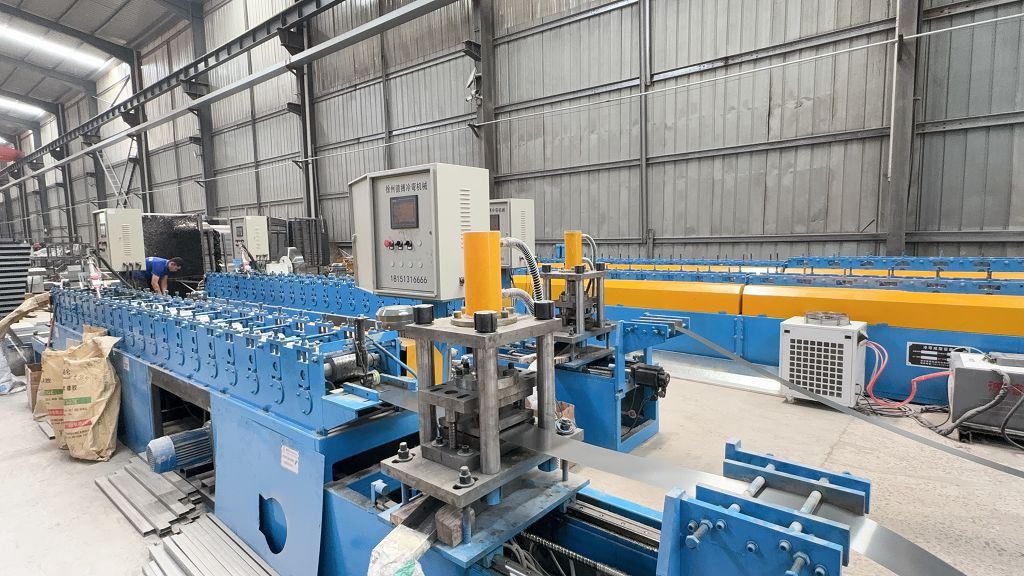
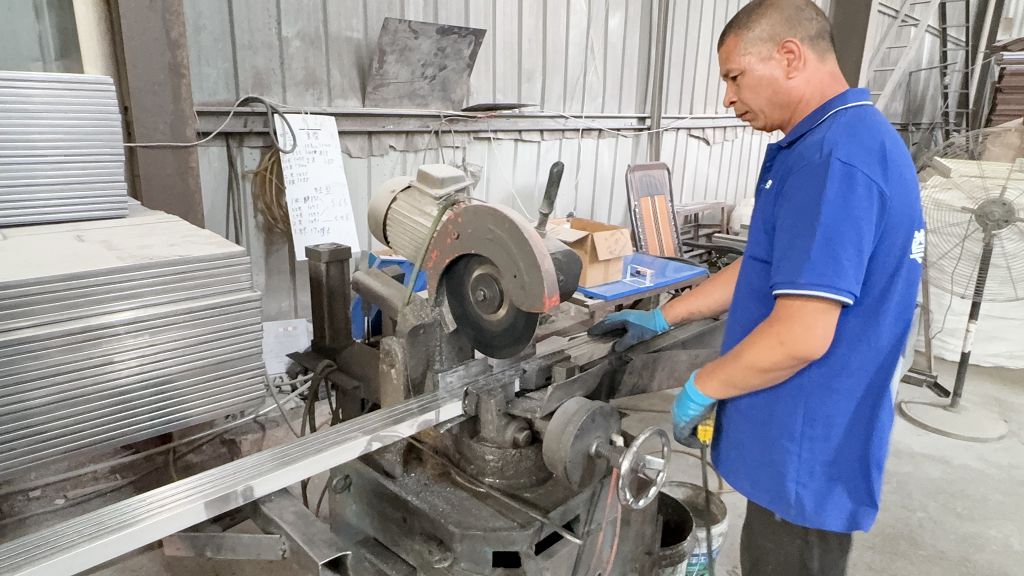
2. Structural Integrity and Advanced Steel Profiling: Modern manufacturers utilize advanced finite element analysis (FEA) to design high-tensile upright profiles. Utilizing cold-formed steel sheets with optimized bend geometries allows systems to support massive loads (exceeding 3000kg per pallet layer) while utilizing less raw steel, decreasing material overhead without compromising structural safety.
Your Trusted Engineering Partner in Industrial Racking and Heavy-Duty Storage Infrastructures
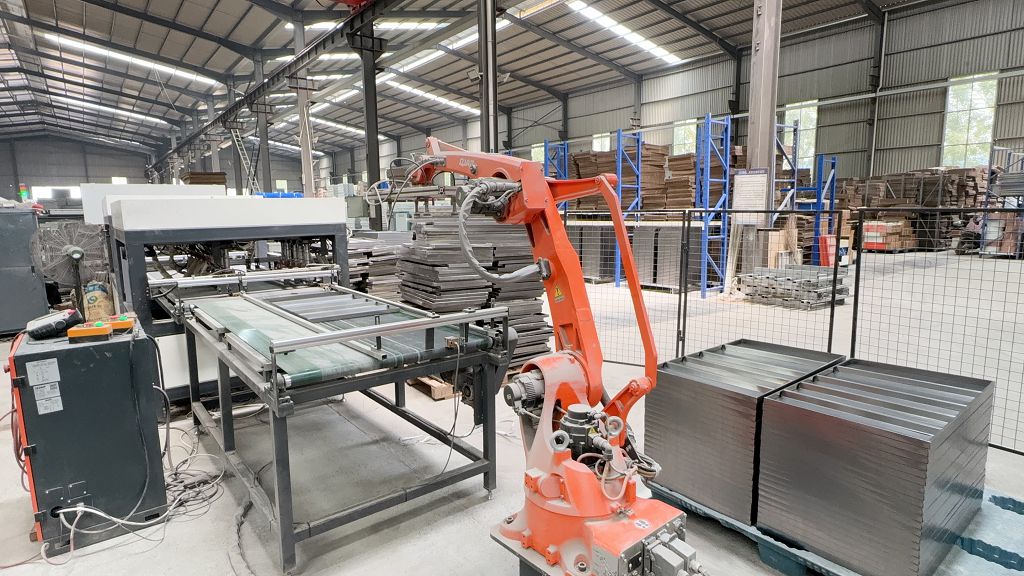
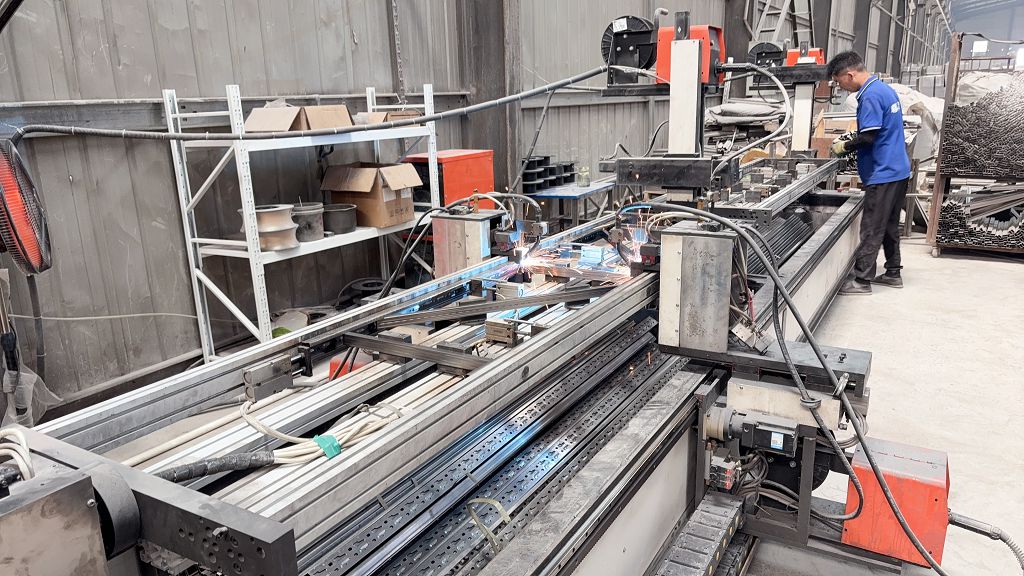
Nanjing Lush Rack Co., Ltd. is a professional manufacturer specializing in industrial storage racking systems and warehouse storage solutions. The company is dedicated to the research, design, production, and installation of a full range of warehouse racks and shelving systems, providing efficient and reliable storage infrastructure for modern logistics and supply chain operations.
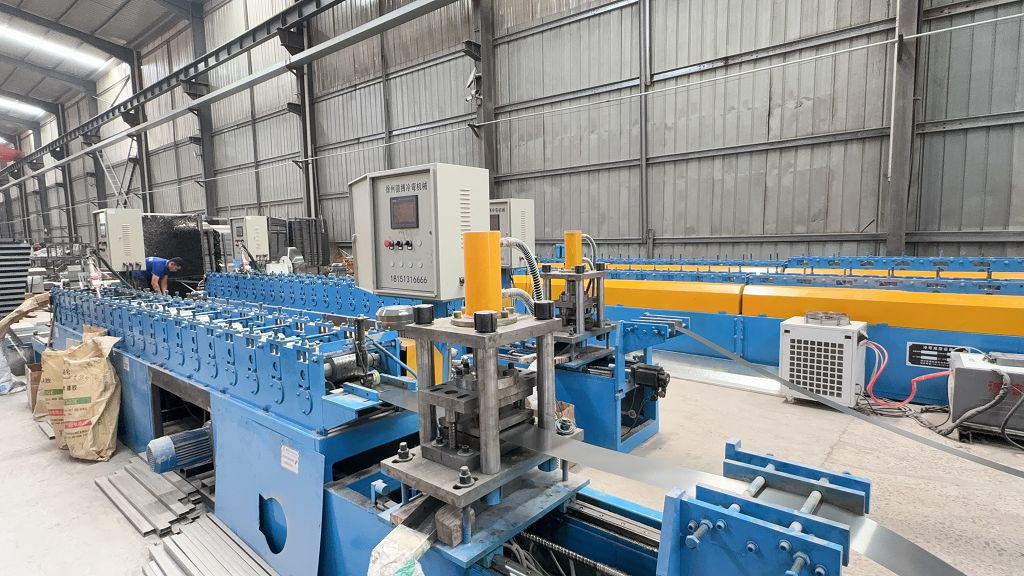
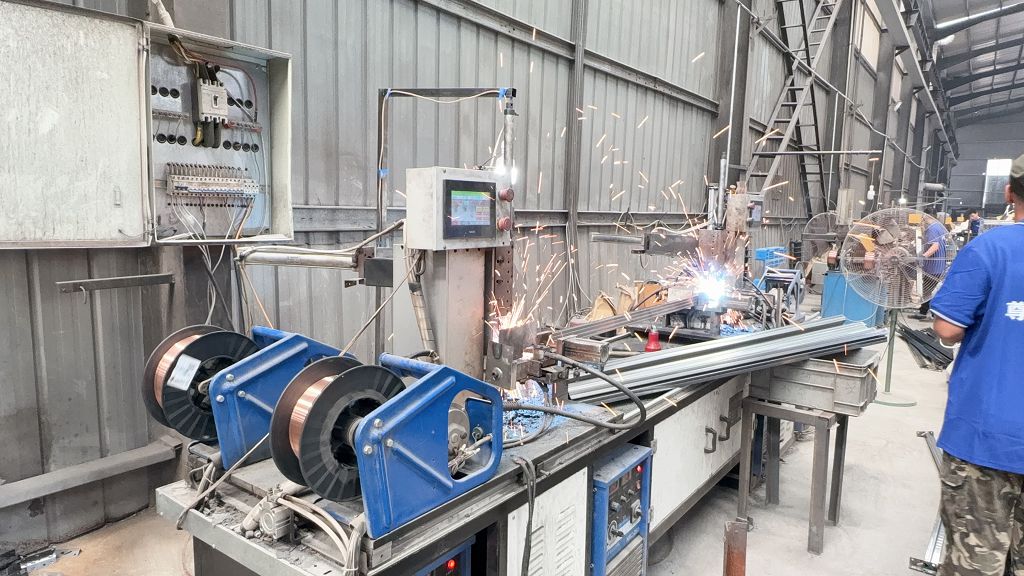
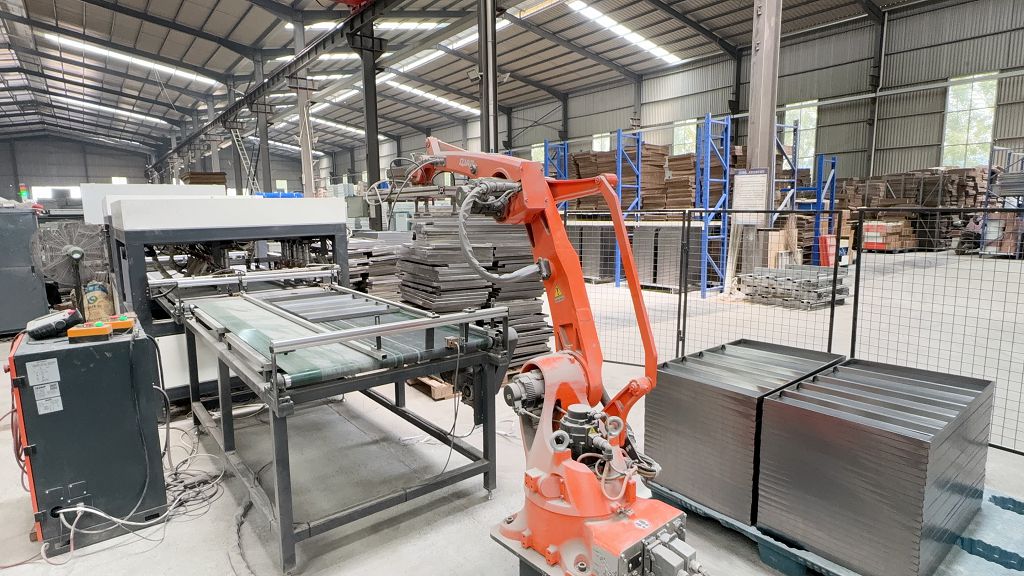
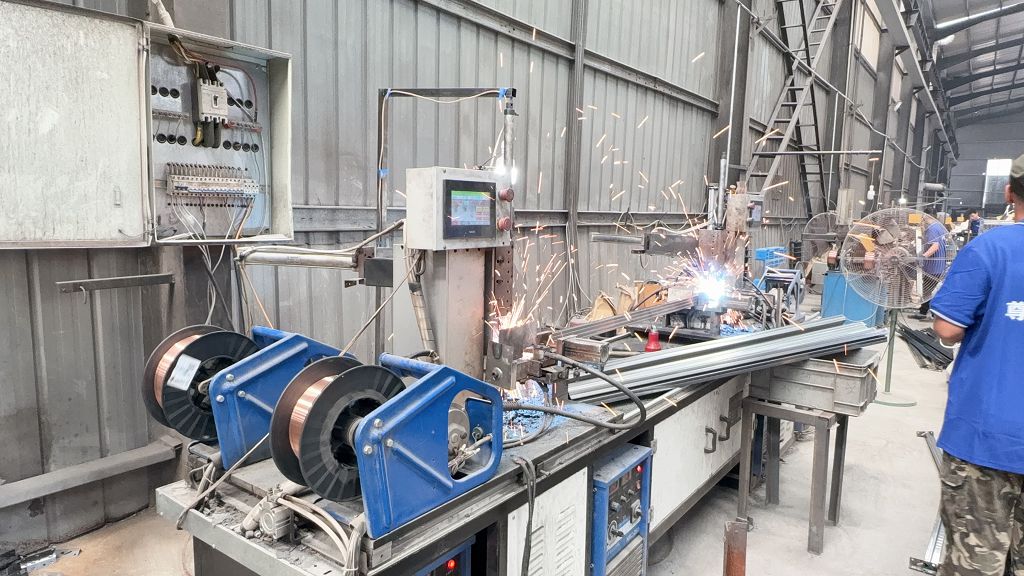
With strong engineering capabilities and advanced manufacturing equipment, Nanjing Lush Rack Co., Ltd. is able to deliver complete warehouse racking solutions from concept design and structural calculation to production, quality inspection, and installation guidance. Our engineering team works closely with clients to analyze warehouse space utilization, material flow, and load requirements, ensuring that each solution is safe, stable, and cost-effective.
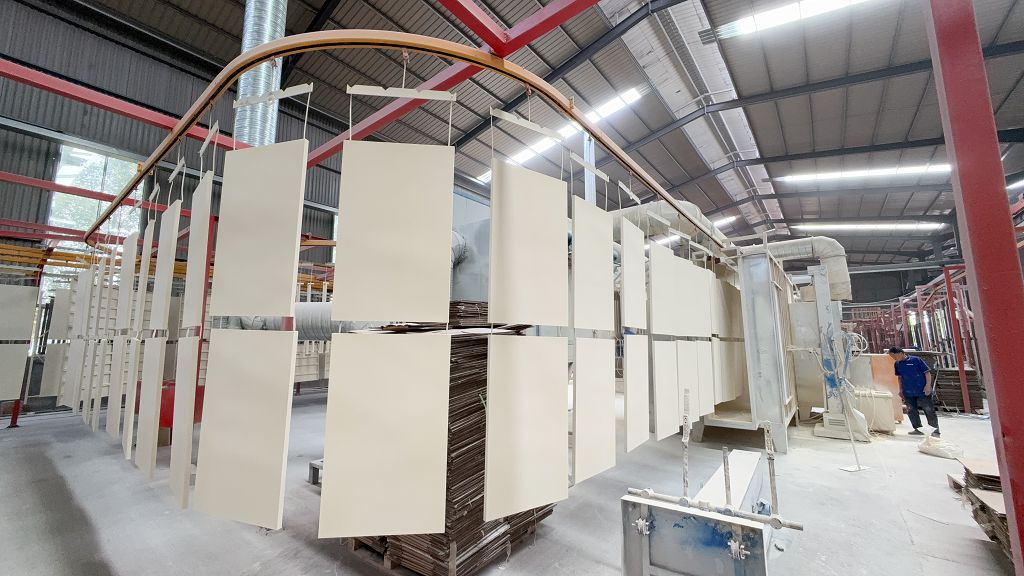
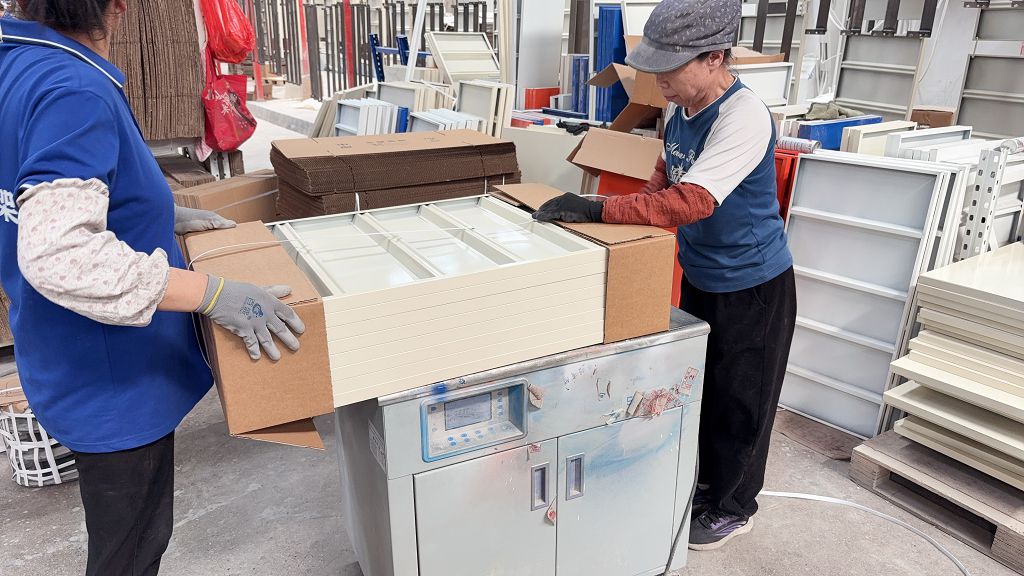
The company maintains a strict quality control system throughout the production process, from raw material selection to final product inspection. All racking systems are designed and manufactured to meet international safety and durability standards, ensuring long service life and reliable performance even under heavy industrial use.
Nanjing Lush Rack Co., Ltd. has a skilled technical team and an experienced sales department that provides responsive communication and professional support. With stable production capacity and efficient supply chain management, we are capable of handling both standard orders and large-scale customized projects with consistent quality and on-time delivery.
Our products are widely used in industries such as logistics and distribution, e-commerce fulfillment centers, manufacturing, automotive parts storage, cold chain logistics, and retail warehousing. We have established a strong customer base across domestic markets in China, and our products are also exported to Southeast Asia, Europe, North America, and other international regions.
As a trusted partner in warehouse storage solutions, Nanjing Lush Rack Co., Ltd. is committed to delivering high-quality racking systems, innovative storage concepts, and long-term value for our customers. We continue to focus on improving warehouse efficiency, reducing operational costs, and supporting the development of modern intelligent logistics systems.
How different global markets implement high-density warehouse systems based on local supply chain behaviors and structural regulations.
| Sector / Region | Key Operational Challenge | Configured Racking Solution | Structural Benefit & ROI |
|---|---|---|---|
| North American Cold Storage | Extreme cost per cubic foot of chilled space; strict food safety guidelines. | Multi-deep Drive-Thru Racking utilizing specialized low-temperature carbon steel. | Slashes operational HVAC load by 35% through compact footprint design. |
| European Urban Micro-Hubs | Drastic municipal building size restrictions and sky-high land rent. | Narrow Aisle Selective + High Rise Drive-Thru storage matrix. | Increases vertical storage density by over 90% without building extension. |
| Southeast Asian Agro-Distribution | High relative humidity, corrosion threats, and batch-lot expiry management. | Hot-Dip Galvanized (HDG) Drive-Thru Racks supporting strict FIFO product rotation. | Prevents oxidation failures; ensures fresh delivery of seasonal agricultural yields. |
| Automotive Staging Centers | Rapid component throughput; high-weight variances; forklift traffic risks. | Heavy Duty Double-Deep Racks integrated with dual-directional guide rails. | Protects structural uprights from forklift collisions, maintaining rapid rotation. |
In-depth responses from our structural engineers addressing compliance, load limits, stability, and safety.
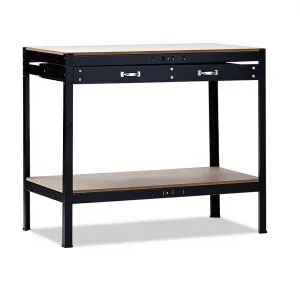
Explore our broader line of structural components, custom workbenches, and specialized storage systems.
 Lush Rack