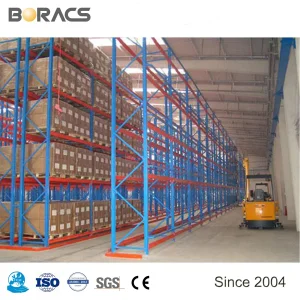
In the era of hyper-velocity commerce, global logistics systems are undergoing a paradigm shift. The conventional methodology of static warehousing has proved inadequate under the pressure of omnichannel distribution, skyrocketing SKU counts, and demands for reduced delivery times. Consequently, multinational supply chains are aggressively upgrading to high-efficiency, structurally optimized Custom OEM Warehouse Picking Systems. Global procurement heads now prioritize designs that offer structural flexibility, structural longevity, and seamless compatibility with automated pick-assist technologies.
Modern procurement is no longer just about buying steel shelves; it is about buying performance-engineered material flow systems. Supply chain directors from North America, Europe, and the Asia-Pacific look for OEM manufacturers who can adapt designs to precise seismic guidelines, strict floor loading tolerances, and local occupational safety standards. The core focus is on maximizing spatial cubic efficiency while facilitating the rapid movement of goods, minimizing pick times, and securing worker safety.
Moreover, the global shift towards green building codes, such as LEED certifications, has made manufacturing practices a major factor in selection. Procurement departments demand factories that minimize energy waste, utilize eco-friendly epoxy-polyester powder coatings, and source structural steel from sustainable, circular-economy mills. OEM suppliers must act as engineering partners capable of managing projects from raw material supply to final construction site handover.
Nanjing Lush Rack Co., Ltd. is a leading professional manufacturer specializing in industrial storage racking systems and advanced warehouse storage solutions. The company is dedicated to the research, design, production, and installation of a comprehensive portfolio of warehouse racks and picking systems. We provide highly robust, safe, and efficient storage infrastructure for modern logistics, automated distribution, and global supply chain operations.
Leveraging strong engineering capabilities and advanced manufacturing equipment, Nanjing Lush Rack Co., Ltd. delivers complete warehouse racking solutions. Our services span from initial concept design and Finite Element Analysis (FEA) to production, quality inspection, and installation guidance. Our engineering team works closely with clients to analyze warehouse space utilization, material flow patterns, and load requirements, ensuring that every installed system is safe, stable, and cost-effective.
Our factory features high-precision automated manufacturing machinery, guaranteeing structural precision across every profile. Below is an overview of our core manufacturing and processing stages, showing our dedication to quality control:
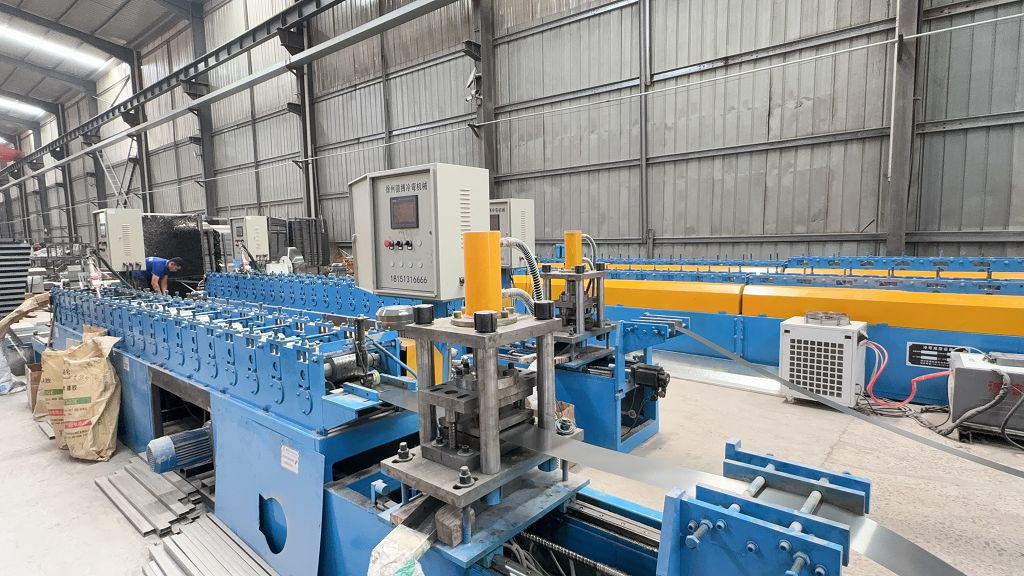
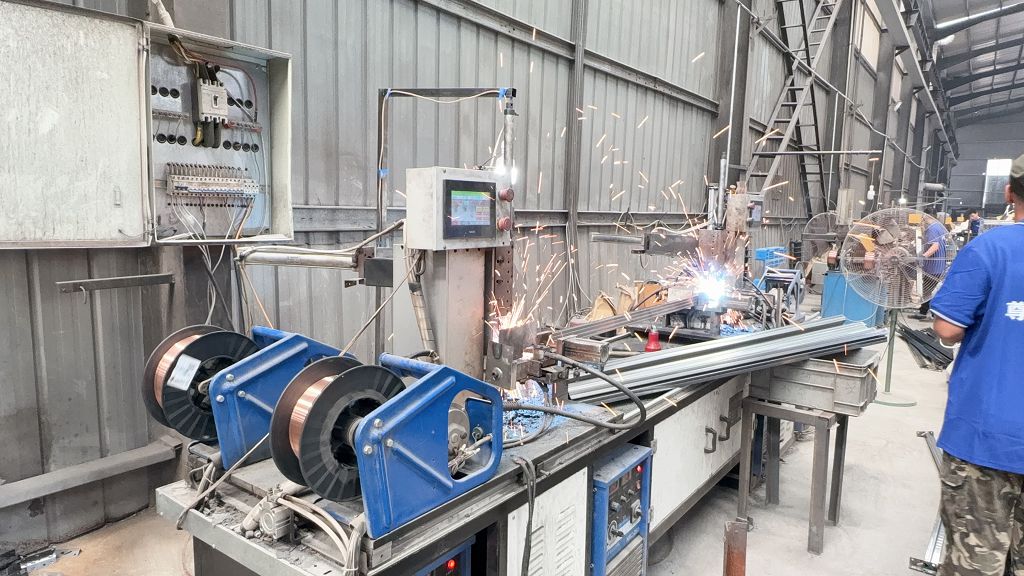
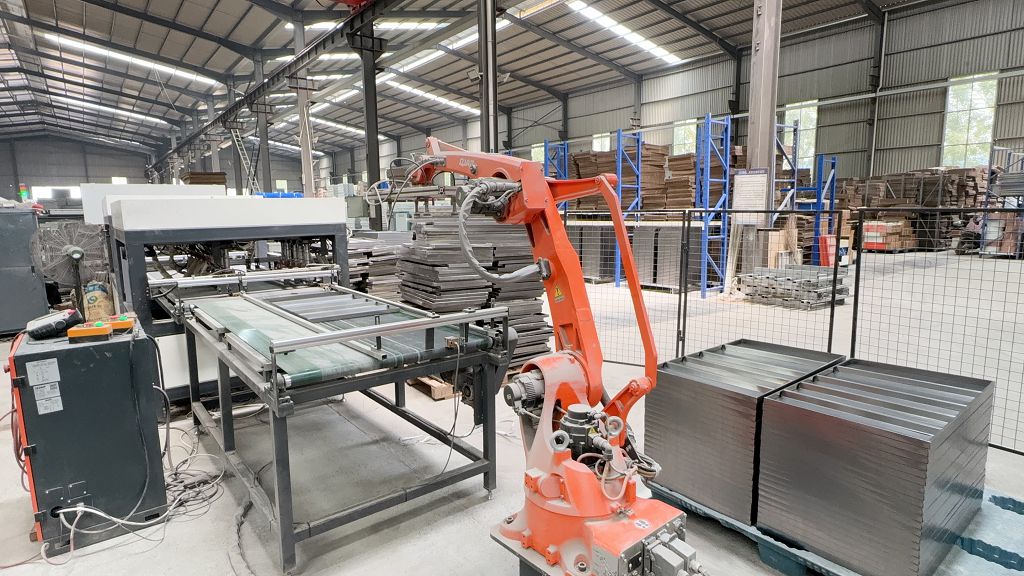
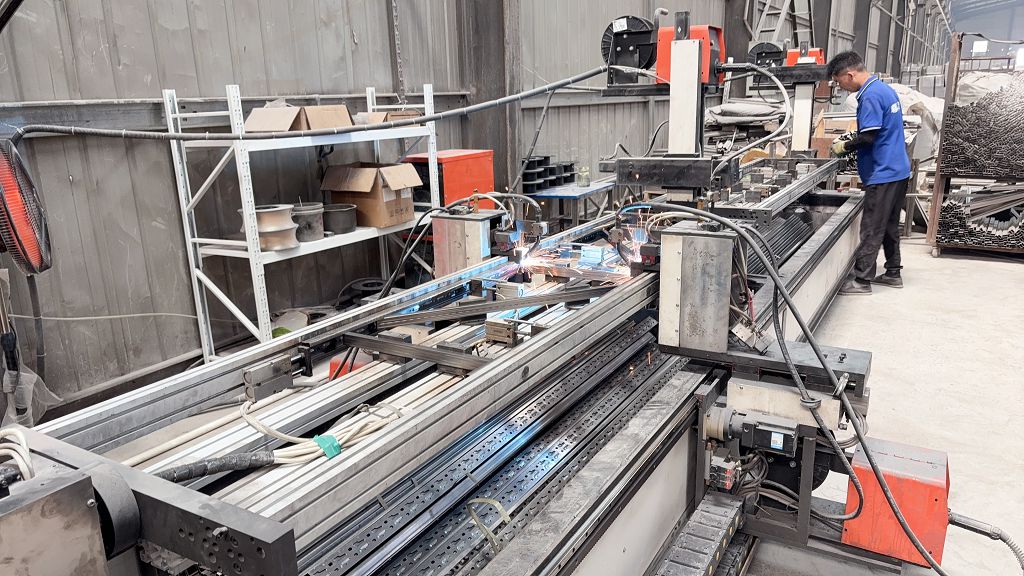
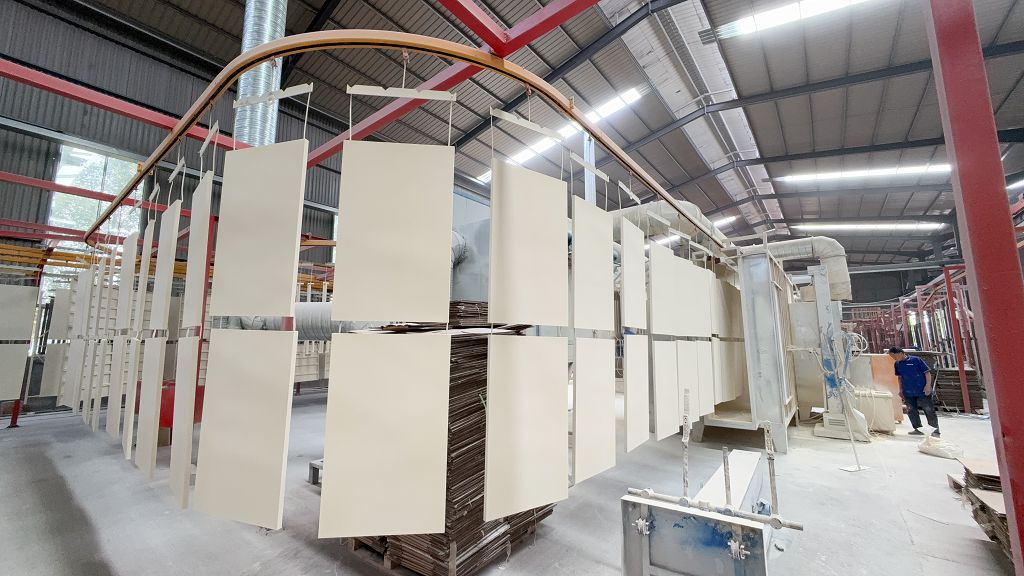
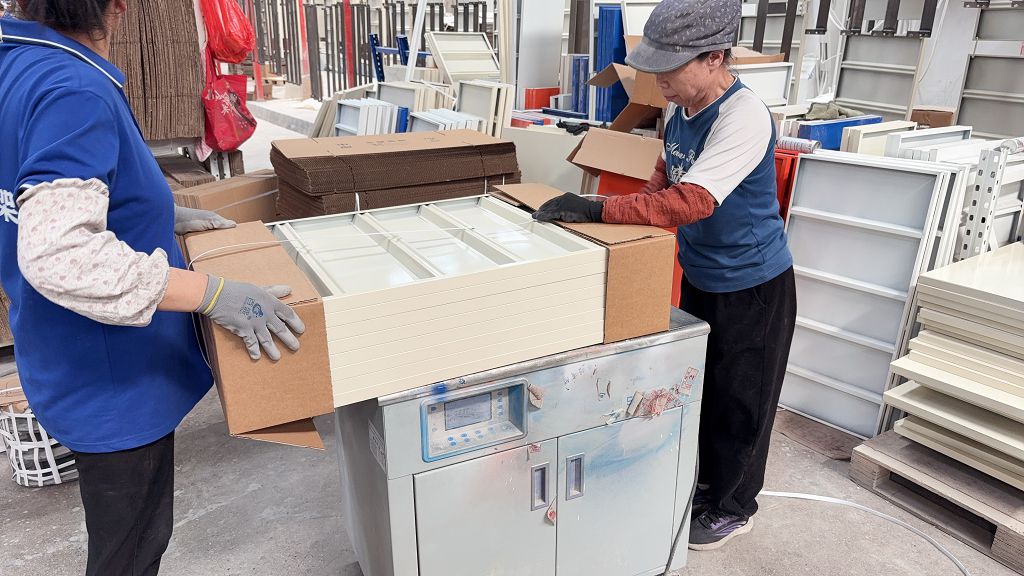
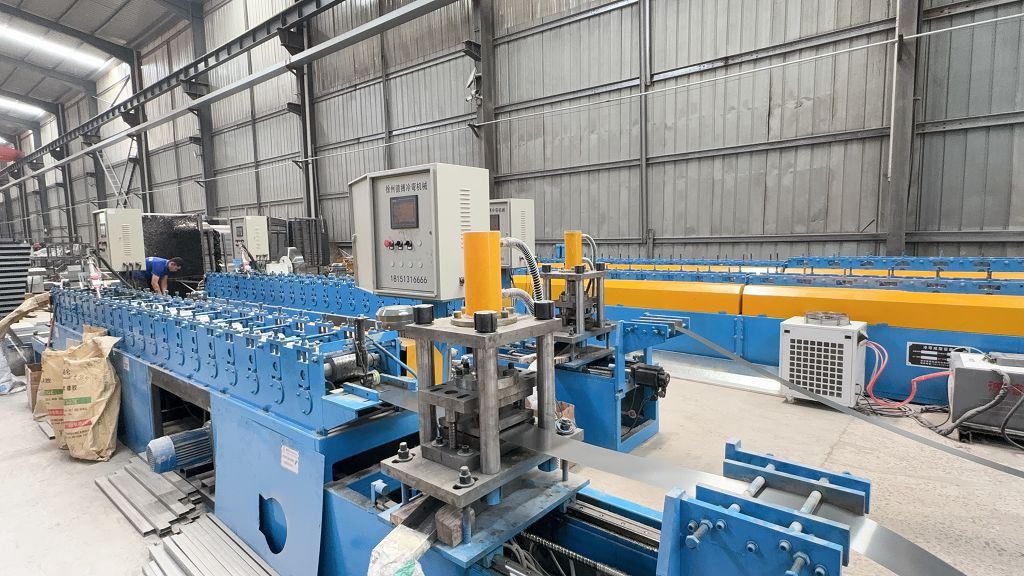
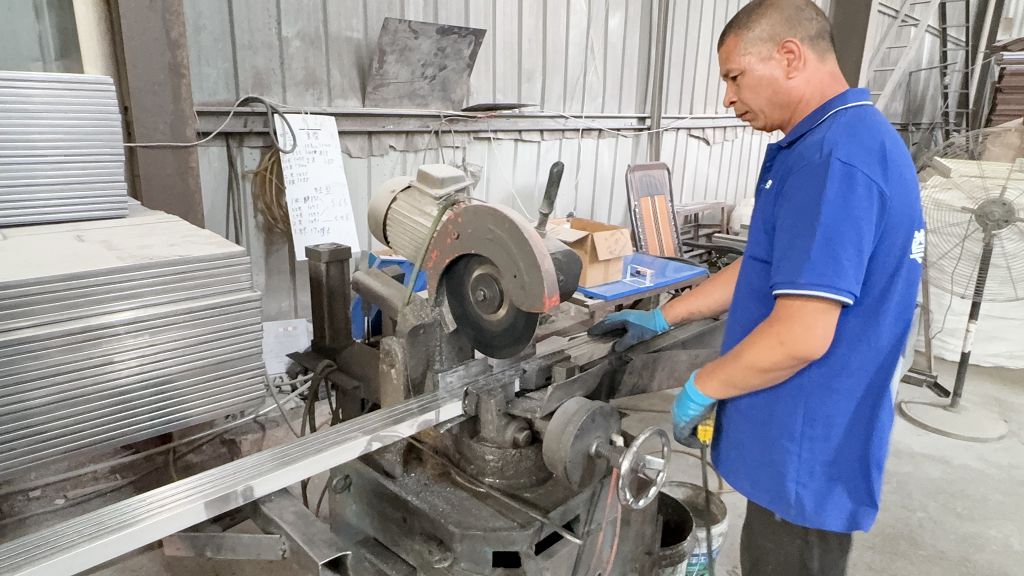
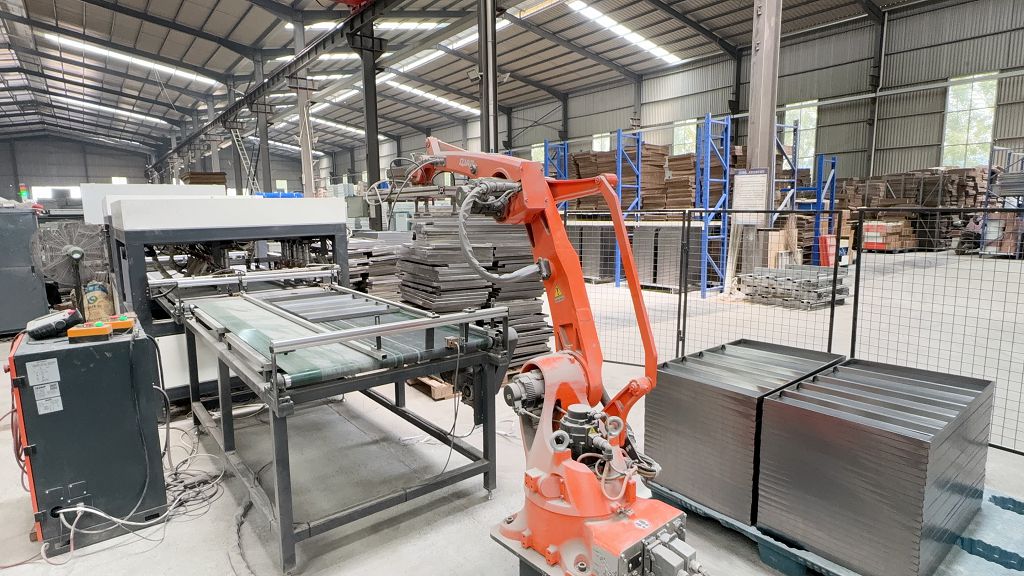
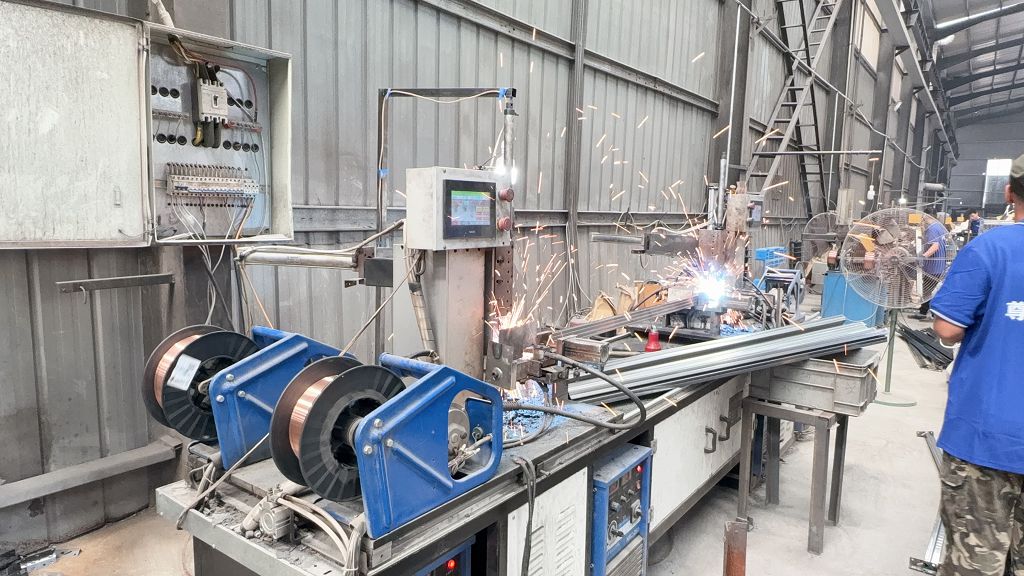
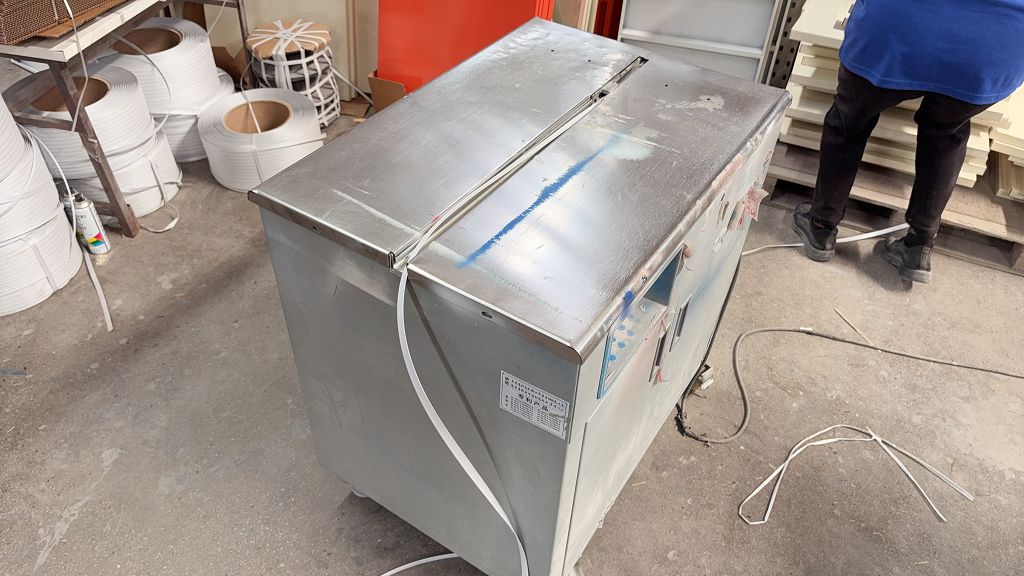
To ensure durability, we use a strict quality control system throughout production, from structural raw material selection (high-strength steel grades like Q235B and Q355B) to the final quality audit. All structural rack elements are engineered to meet international safety and performance standards, such as EN, FEM, and RMI. Our manufacturing processes, including automatic roll-forming, robotic welding, and automated powder coating lines, guarantee structural integrity for heavy-duty industrial operations.
Selecting the right storage layout is a critical engineering decision that dictates warehouse capacity and operational throughput. An optimized facility requires balancing physical square footage, horizontal and vertical space, material handling equipment, and the pace of picking operations.
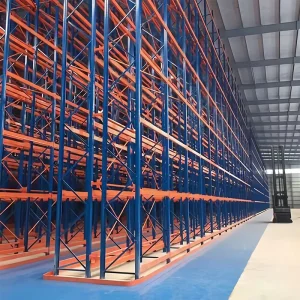
VNA racking maximizes vertical storage by reducing aisle widths to between 1.5 and 1.8 meters. By moving structural frames closer together and utilizing specialized wire-guided or rail-guided turret trucks, VNA systems unlock up to 45% more storage space compared to conventional selective pallet racking. This design is highly effective for high-volume SKU fulfillment centers where floor space is at a premium.
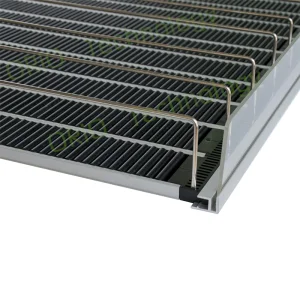
Operating on a First-In, First-Out (FIFO) dynamic, Gravity Flow systems use inclined roller tracks that allow pallets or cartons to glide smoothly from the loading aisle to the picking face. This configuration reduces internal transit paths, organizes inventory, and eliminates energy consumption for moving loads. It is widely used in high-volume food and beverage distribution and cold storage facilities.
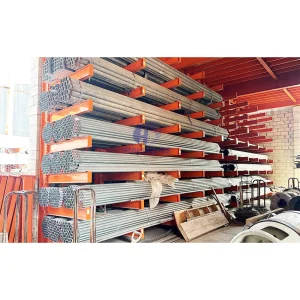
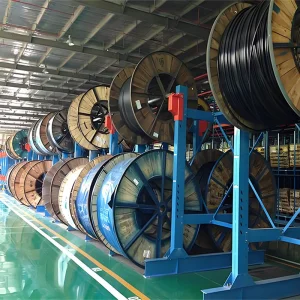
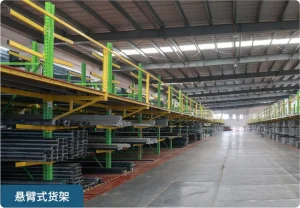
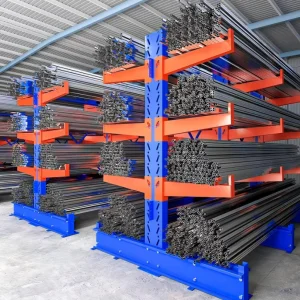
Designed for long, non-palletized inventory like steel pipes, tubing, structural timber, and heavy profiles. Cantilever racking eliminates the obstruction of front upright columns. The load is supported by heavy arms extending from central vertical columns. This configuration allows unrestricted front access for forklifts and crane-supported picking, ensuring safe handling of long materials.
To ensure safety under dynamic operational loads, structural engineering calculations must be highly precise. Racking uprights undergo stress analysis to withstand localized impact forces from forklift operations. Load safety factors are designed according to RMI regulations, calculating critical compression limits, upright frame buckling loads, and seismic horizontal shear stresses.
The future of warehouse operations lies in integrating structural physical racking with advanced digital warehouse systems. Traditional metal racking is evolving into dynamic, data-driven physical nodes that connect with Warehouse Management Systems (WMS) and automated equipment.
Modern racking systems are increasingly equipped with strain gauges, weight sensors, and distance sensors. These IoT modules monitor load distribution in real-time, warning warehouse managers of overload conditions or structural shifts before mechanical failure occurs.
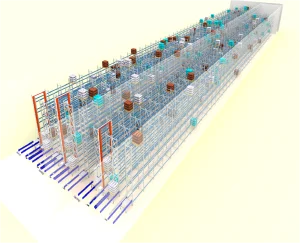
Automated Storage and Retrieval Systems (ASRS) combined with autonomous cart shuttles run inside deep lanes of racking to retrieve pallets without human intervention. This setup enables high-speed, multi-depth storage, reducing relying on forklifts and significantly cutting labor costs.
By feeding live inventory velocities into artificial intelligence models, WMS platforms dynamically optimize picking layouts. Fast-moving goods are automatically assigned to ergonomic, low-level picking zones, while slower SKUs are directed to upper tiers.
As warehouse automation continues to advance, the structural demand on rack manufacturing increases. Tolerance margins for racking channels, vertical uprights, and guide rails must be kept within sub-millimeter levels. This high precision prevents automated shuttles or turret trucks from catching or stalling during high-speed pick cycles, securing smooth, uninterrupted operation.
Operating across global jurisdictions requires strict adherence to international safety codes and regulatory frameworks. Nanjing Lush Rack Co., Ltd. ensures all customized systems meet local structural standards, including:
Our engineering team performs localized calculations that factor in soil classification, concrete slab depth, and seismic zone parameters ($S_s$ and $S_1$ spectral acceleration factors). This ensures that whether a system is installed in a high-risk seismic region or a temperature-controlled environment, it operates safely. We provide comprehensive documentation, structural calculation reports, and on-site or remote engineering guidance to ensure a smooth, certified installation.
 Lush Rack