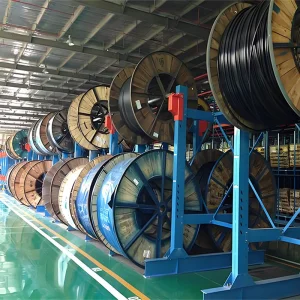
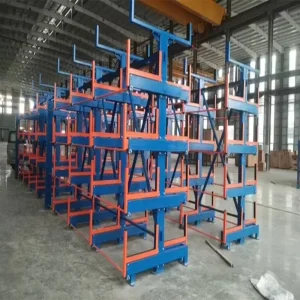
Engineered for extreme performance, structural load integrity, and optimal space utilization in thermal-regulated storage environments.
In the contemporary global logistics matrix, cold chain storage stands as an critical sub-sector driven by strict food safety regulations, pharmaceutical distribution demands (such as vaccines and biological agents), and the growing consumption of fresh products. Modern storage facilities can no longer rely on standard ambient rack designs. Operative parameters within sub-zero conditions (-18°C to -30°C or even -40°C cryogenic setups) alter the physical behavior of materials, demand stricter tolerances, and necessitate specialized architectural floor plan optimization to save on massive thermal conditioning energy overheads.
According to macro-economic studies, the global cold chain logistics market size is projected to expand significantly, driven by APAC market urbanization and a surge in global pharmaceutical cold chain protocols. For racking systems, this evolution demands three fundamental properties: extreme density to lower the cubic cost of chilled air, precise structural integration with automation (ASRS, shuttle systems, AGVs), and metallurgical integrity to mitigate the risk of cold-temperature steel embrittlement.
The primary hazard in cold storage environments is the transition of structural steel from ductile to brittle behavior under sustained low temperatures. Traditional structural carbon steels can experience sudden stress-failure if the impact energy performance of the material isn't certified for sub-zero environments. Nanjing Lush Rack Co., Ltd. addresses this by using certified high-tensile steel alloys, such as Q355D and Q355E, which undergo rigorous Charpy V-Notch impact testing at low temperatures to ensure long-term mechanical reliability.
Our OEM engineering department focuses on custom calculations based on FEM 10.2.02 (European Federation of Materials Handling) and RMI (Rack Manufacturers Institute) standards. We integrate structural characteristics such as dynamic load factors for shuttle storage carts, seismic resilience variables, and thermal expansion joints to protect the racks from buckling when transitioning between varying temperature zones.
Brittle Fracture Mitigation: Custom cold chain profiles utilize premium steel processed with specific silicon/aluminum deoxidization protocols to ensure high performance under extreme cold.
Corrosion Resistant Coatings: Special zinc-rich epoxy powder coatings are baked at high temperatures to provide resistance to moisture, condensation, and sanitation chemicals.
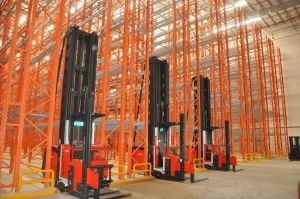
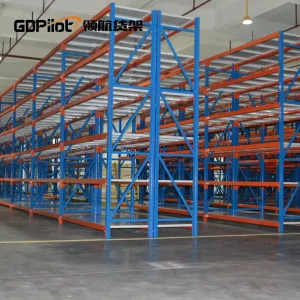
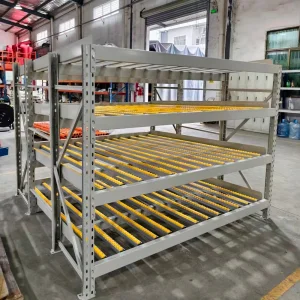
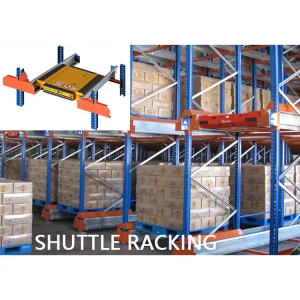
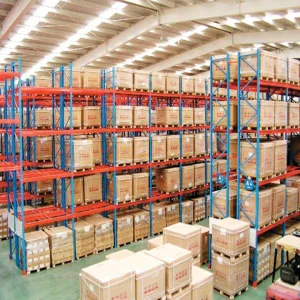
High Density Systems: Incorporating configurations like mobile racking, drive-in racking, and high-density shuttle racking to eliminate unnecessary aisles and maximize cold air conservation.
Insight into Nanjing Lush Rack Co., Ltd.'s state-of-the-art production pipeline, ensuring precision fabrication of heavy-duty storage infrastructure.
A racking system's reliability is determined by its manufacturing precision. Nanjing Lush Rack Co., Ltd. uses high-speed automatic profile rolling mills, precision robotic welding arms, and automated pre-treatment and powder coating lines. Our manufacturing team works closely with clients to analyze warehouse space utilization, material flow, and load requirements, ensuring that each solution is safe, stable, and cost-effective. All systems meet international safety and durability standards, ensuring long service life and reliable performance even under heavy industrial use.
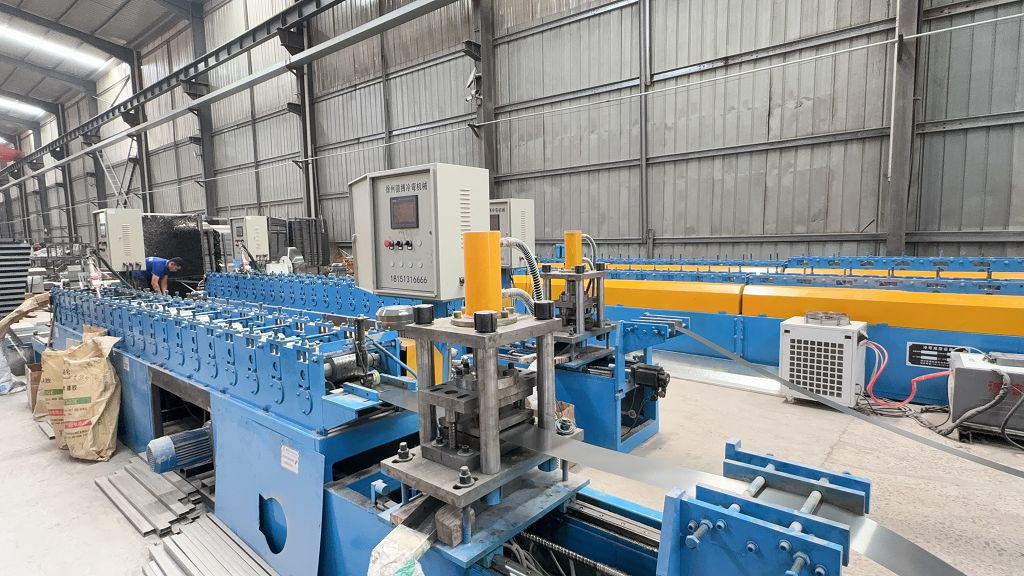
High-precision dimension slicing ensures all upright frames and beam blanks fit flush during final installation.
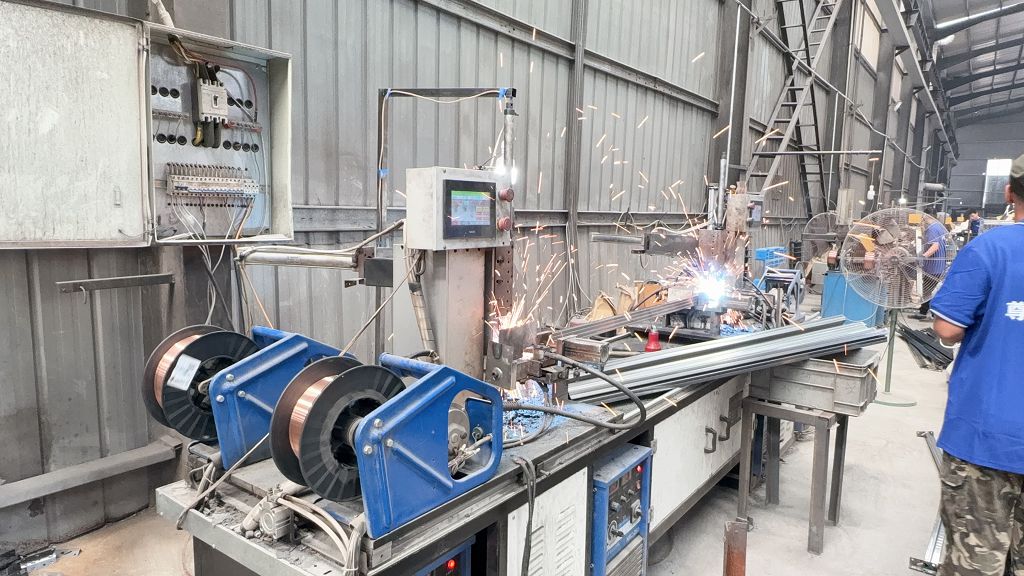
Welding connect-plates to crossbeams, optimizing load bearing capacity against high-stress pallet weight.
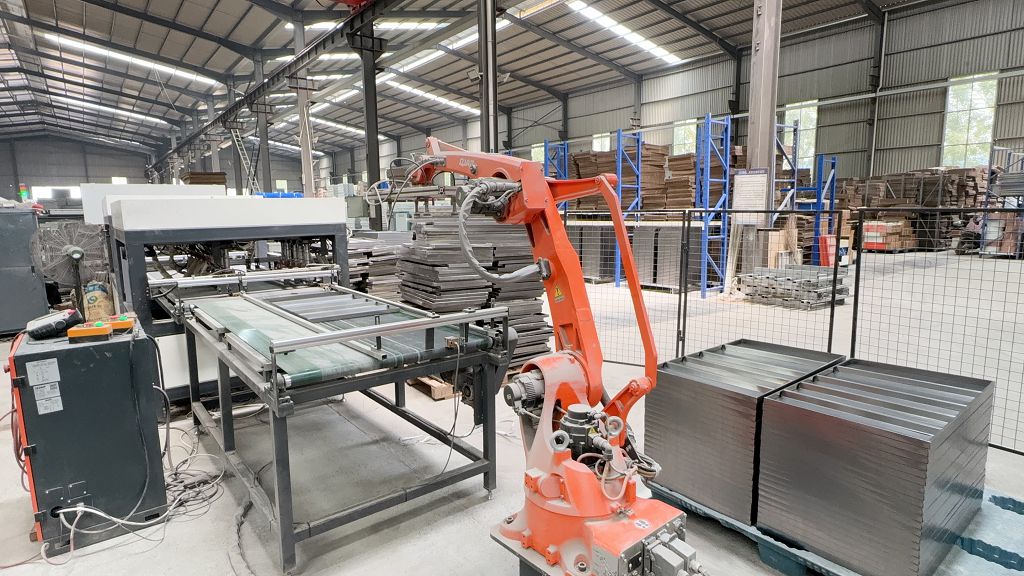
Welding supporting baseplates and top plates for columns to distribute physical load evenly on concrete bases.
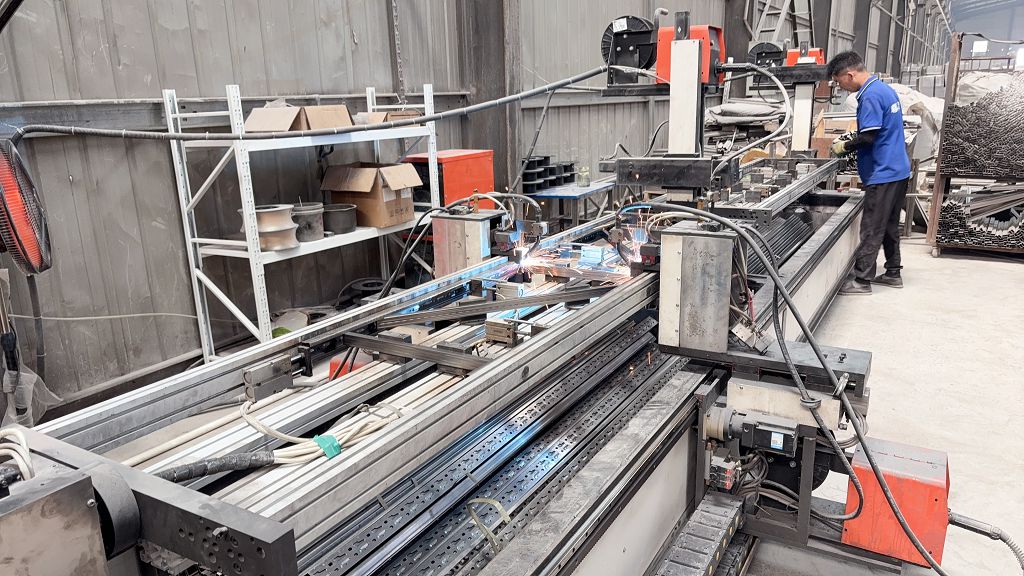
Reinforcement structure welding on multi-bend vertical column frames to enhance static structural integrity.
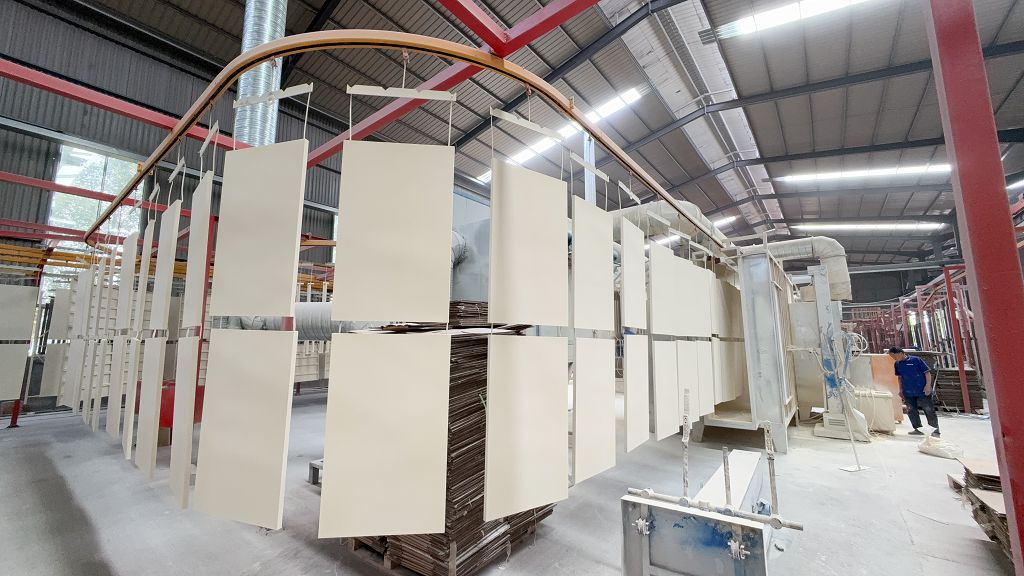
Electrostatic thermosetting powder coating system prevents peeling or cracking under freeze-thaw cycles.
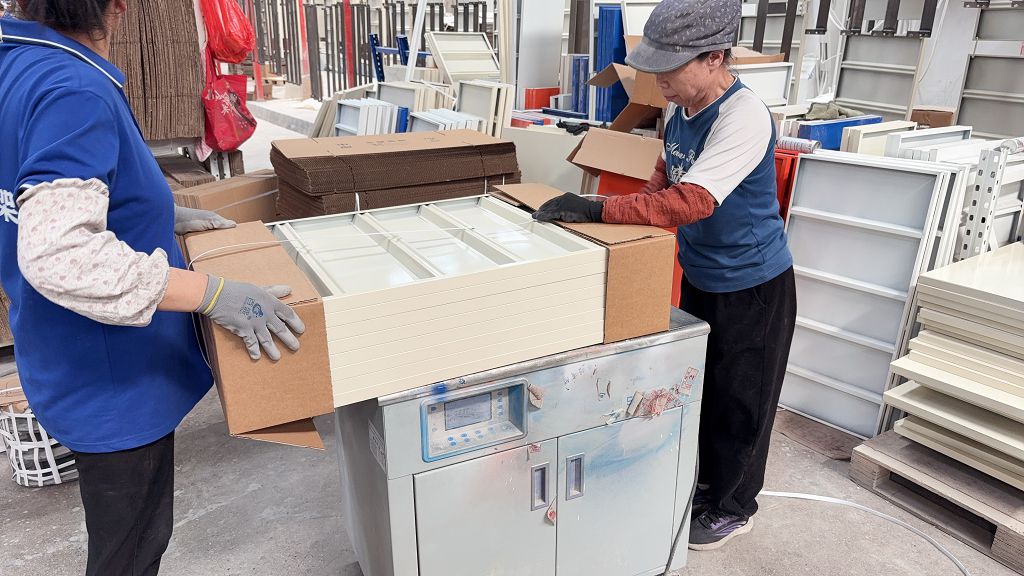
Secure bubble wrapping and high-strength metal strapping to prevent damage during ocean transit.
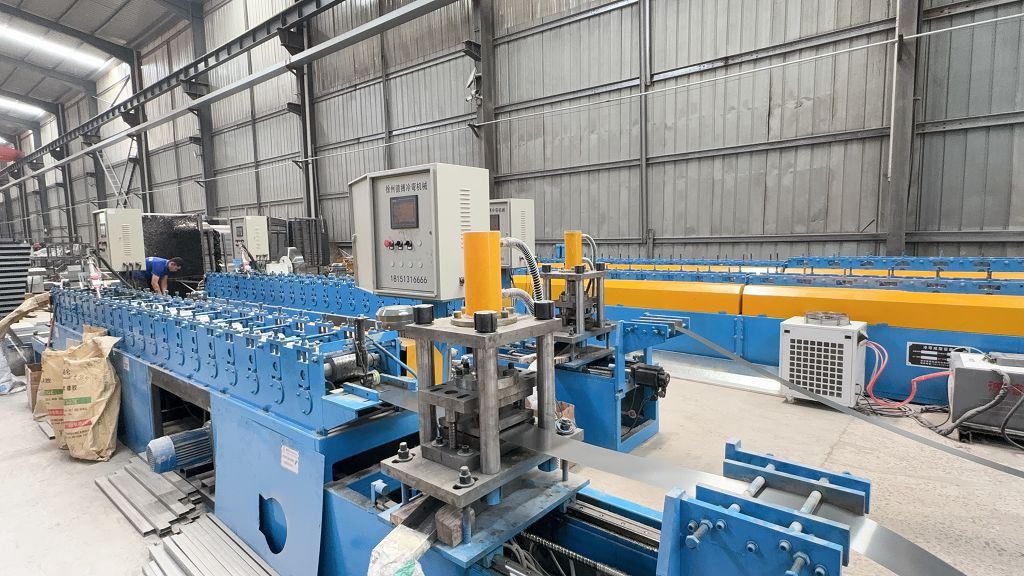
Fully programed CNC equipment ensuring consistent dimensions and clean cuts.
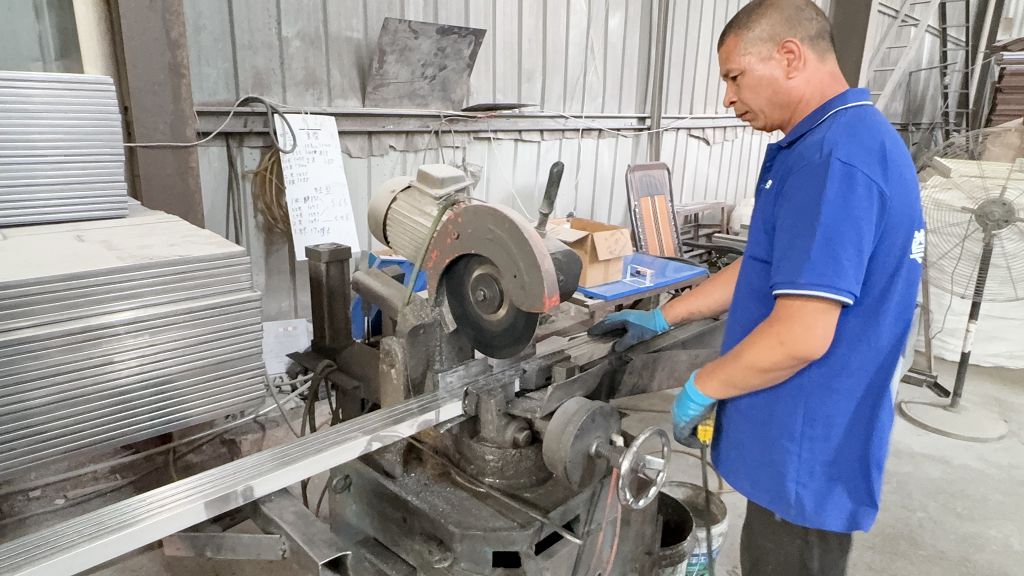
Heavy-duty high-speed mechanical cutting unit processing structural base profiles.
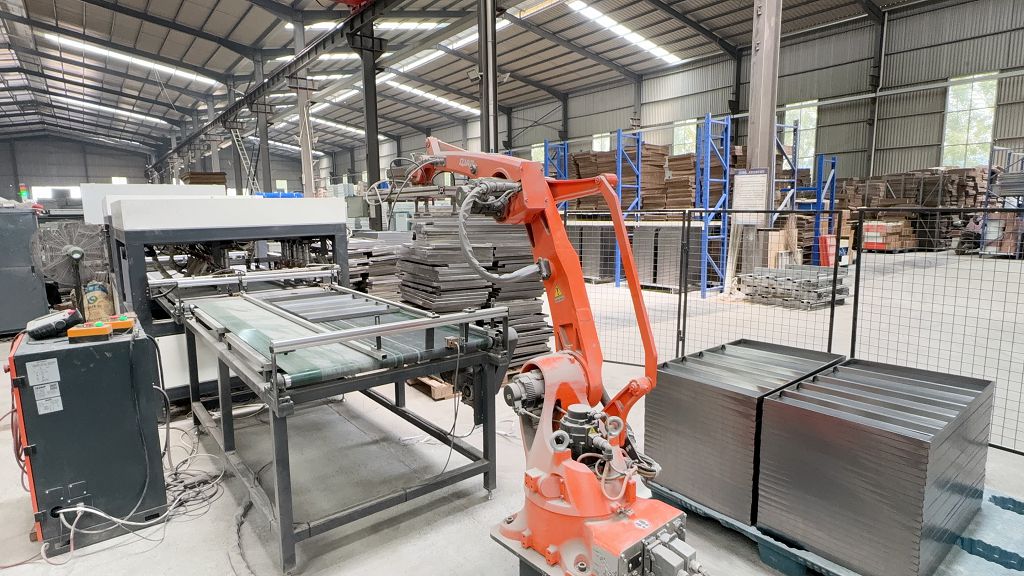
Precise robotic welding systems that ensure uniform seam quality and high fatigue resistance.
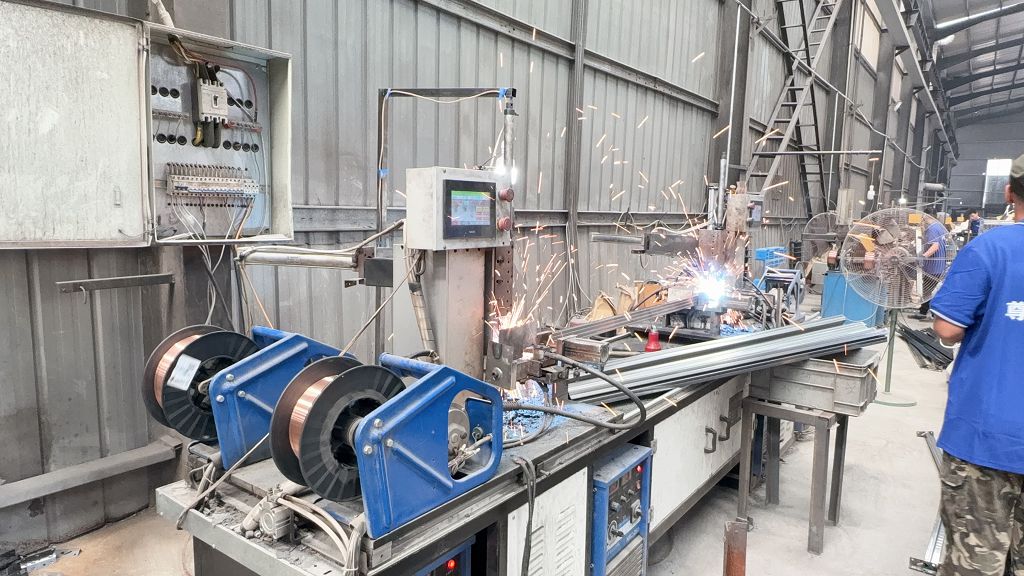
Manual station for custom components and complex joint structural reinforcement.
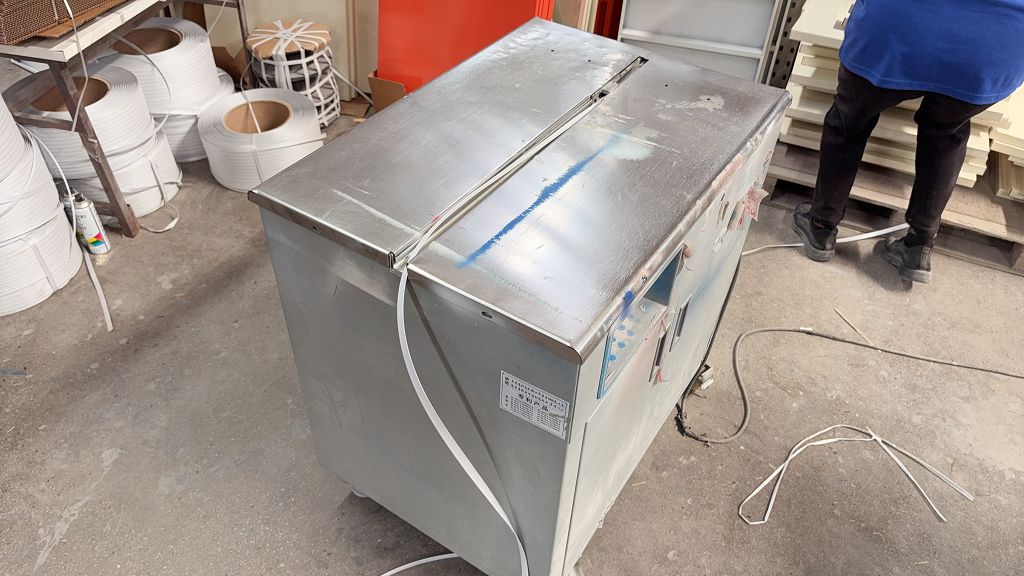
Mechanized stretch-wrapping systems that safeguard structural coatings during transport.
Cold chain logistics operator compliance profiles are governed strictly by regional health, safety, and operational standards. A racking structure failure in a sub-zero room is not just a structural disaster, but a biological and economic threat if pharmaceuticals or food safety codes are compromised.南京乐仕货架 (Nanjing Lush Rack Co., Ltd.) complies with global regulatory frameworks to ensure smooth permitting, customs clearance, and insurance validation.
| Geographic Region | Applicable Structural Standard | Material / Coating Directives | Cold Chain Logistics Certifications |
|---|---|---|---|
| North America | ANSI MH16.1 (RMI Standard) | ASTM A1011 / Non-toxic powder coating | FDA Food Storage Compliance, OSHA compliance |
| Europe (EU) | EN 15512, EN 15620, EN 15635 | CE certified raw materials, Low emission | HACCP storage environment standards |
| Australia / NZ | AS 4084-2012 / AS 1170.4 | High ductility steel for seismic zones | Cold Storage Association (CSANZ) structural load protocols |
| Asia-Pacific (APAC) | GB 50017, GB/T 28001 | Q355D High strength low temperature steel | ISO 9001:2015, SGS Material Certificates |
Additionally, our local network of experienced installation supervisors and project coordinators ensures that final site deployment meets engineering specifications. From floor levelness inspections to anchoring on frost-heave prevention subfloors, we support the project team through every phase of construction.
Cold storage requirements vary across different industry sectors. Here are three primary application scenarios where Nanjing Lush Rack's custom OEM engineering solutions deliver high efficiency:
Storage at -40°C requires dynamic automated operations to prevent human exposure to extreme cold. We integrate precise automated storage and retrieval system (ASRS) structures with tolerances down to the millimeter.
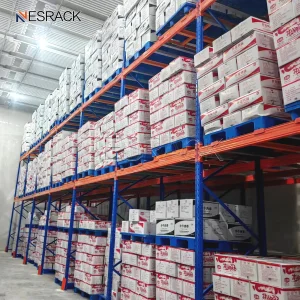
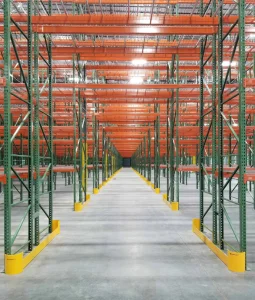
Operating under high density FIFO/LIFO rules, frozen food storage requires robust, impact-resistant structures due to frequent forklift traffic in narrow, low-visibility areas.
Third-party logistics hubs store a wide variety of goods with changing requirements, necessitating dynamic, modular configurations that can adapt to different pallet shapes and sizes.
As energy costs rise and sustainability goals become more prominent, cold storage operators are seeking to improve efficiency and reduce their carbon footprint. Nanjing Lush Rack Co., Ltd. is focusing on three key development paths:
1. Thermal Modeling & CFD Integrated Layouts: We design racking layouts to optimize airflow patterns in cold storage rooms, reducing hot spots and lowering cooling costs.
2. Structural Health Monitoring: Integrating smart strain gauges and temperature-compensated load cells directly into critical upright frames. This allows operators to monitor structural health and detect overload conditions in real-time.
3. Advanced High-Ductility Steel Alloys: Ongoing collaboration with metallurgical laboratories helps us develop structural steels that retain ductility at temperatures below -50°C, preparing for next-generation cryogenic applications.
“Nanjing Lush Rack Co., Ltd. is committed to helping customers improve warehouse efficiency, reduce operational costs, and support the development of modern intelligent logistics systems. Through continuous manufacturing process improvements and material science research, we ensure our racking systems deliver long-term value.”
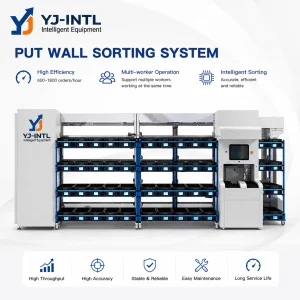
Explore our range of heavy-duty industrial shelving, automated picking walls, and specialized storage systems.
 Lush Rack