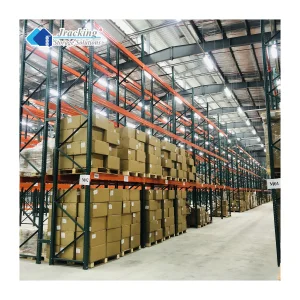
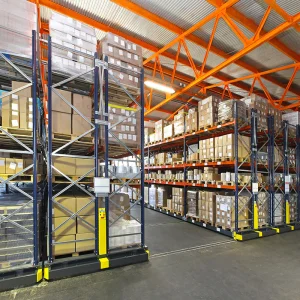
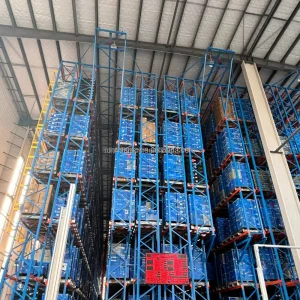
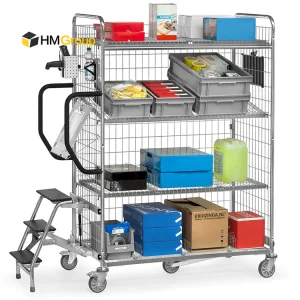
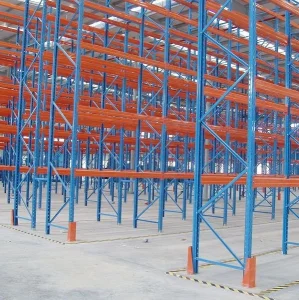
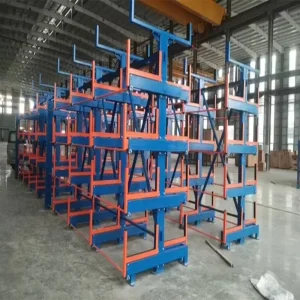
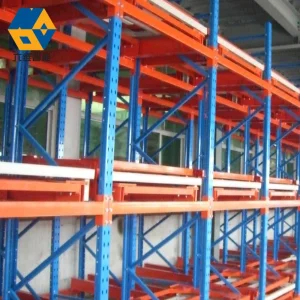
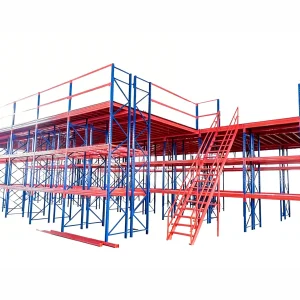
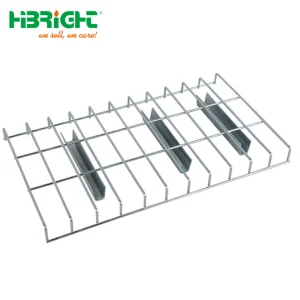
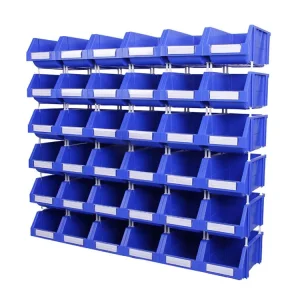
Our engineered racking portfolios deliver exceptional spatial density, compliance with international standards, and seamless integration with mechanical sorting configurations. Review our primary industrial-grade storage solutions engineered for heavy-duty operational loads.
The global warehousing and logistics ecosystem is undergoing a generational shift. Escalating land costs in urban logistics hubs, severe labor shortages in developed markets, and the explosive velocity demand of multi-channel e-commerce are rendering conventional static storage obsolete. Modern logistics hubs are migrating rapidly toward semi-automated and fully-automated storage systems (AS/RS). This transition is not merely about density optimization; it is a structural mandate to enable continuous throughput, minimize human error rates, and drive operational unit costs down.
As standard pallet structures merge with dynamic automated hardware, manufacturers and suppliers must deliver racking with unprecedented structural tolerances. Deflections of even a few millimeters can disrupt sensor paths on high-speed crane carriages, radio shuttle runners, or autonomous mobile robots (AMRs). China's leading manufacturing sector has positioned itself at the epicenter of this technological demand, developing precision-engineered cold-rolled profile racking designed to coordinate perfectly with hardware control logic.
Nanjing Lush Rack Co., Ltd. is a professional manufacturer specializing in industrial storage racking systems and warehouse storage solutions. The company is dedicated to the research, design, production, and installation of a full range of warehouse racks and shelving systems, providing efficient and reliable storage infrastructure for modern logistics and supply chain operations.
With strong engineering capabilities and advanced manufacturing equipment, Nanjing Lush Rack Co., Ltd. is able to deliver complete warehouse racking solutions from concept design and structural calculation to production, quality inspection, and installation guidance. Our engineering team works closely with clients to analyze warehouse space utilization, material flow, and load requirements, ensuring that each solution is safe, stable, and cost-effective.
The company maintains a strict quality control system throughout the production process, from raw material selection to final product inspection. All racking systems are designed and manufactured to meet international safety and durability standards, ensuring long service life and reliable performance even under heavy industrial use.
Our products are widely used in industries such as logistics and distribution, e-commerce fulfillment centers, manufacturing, automotive parts storage, cold chain logistics, and retail warehousing. We have established a strong customer base across domestic markets in China, and our products are also exported to Southeast Asia, Europe, North America, and other international regions.
Nanjing Lush Rack Co., Ltd. has a skilled technical team and an experienced sales department that provides responsive communication and professional support. With stable production capacity and efficient supply chain management, we are capable of handling both standard orders and large-scale customized projects with consistent quality and on-time delivery. As a trusted partner in warehouse storage solutions, Nanjing Lush Rack Co., Ltd. is committed to delivering high-quality racking systems, innovative storage concepts, and long-term value for our customers. We continue to focus on improving warehouse efficiency, reducing operational costs, and supporting the development of modern intelligent logistics systems.
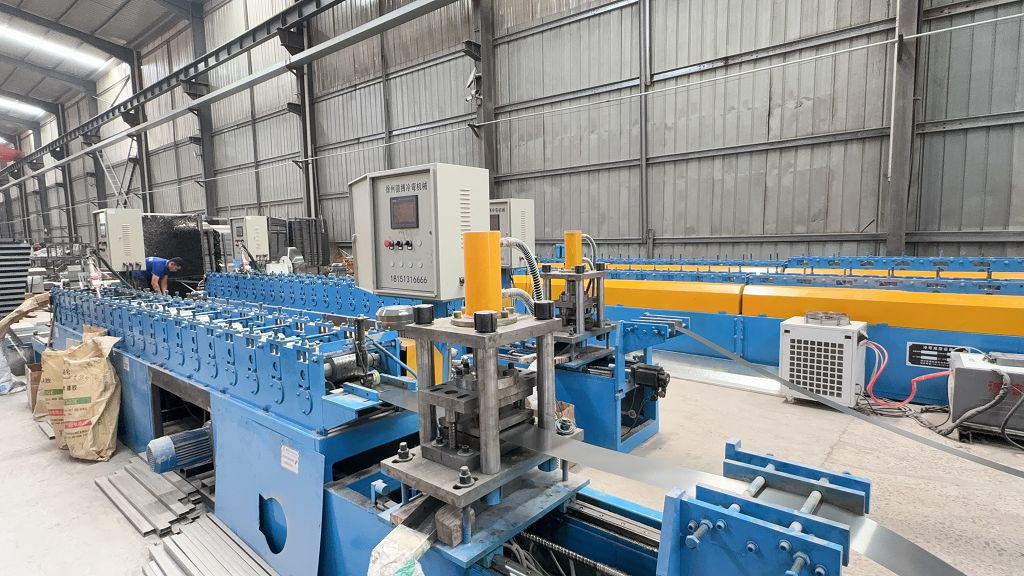
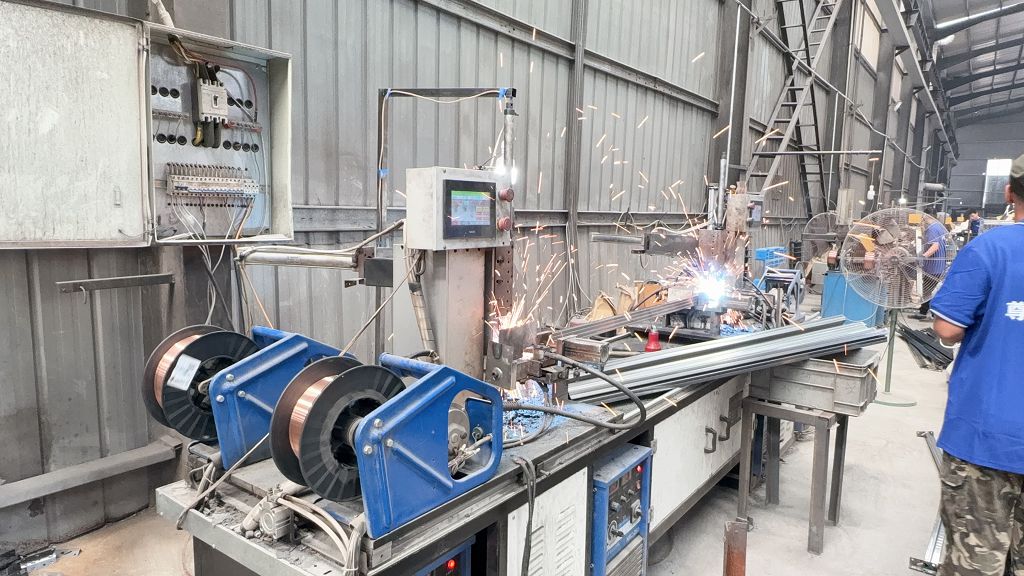
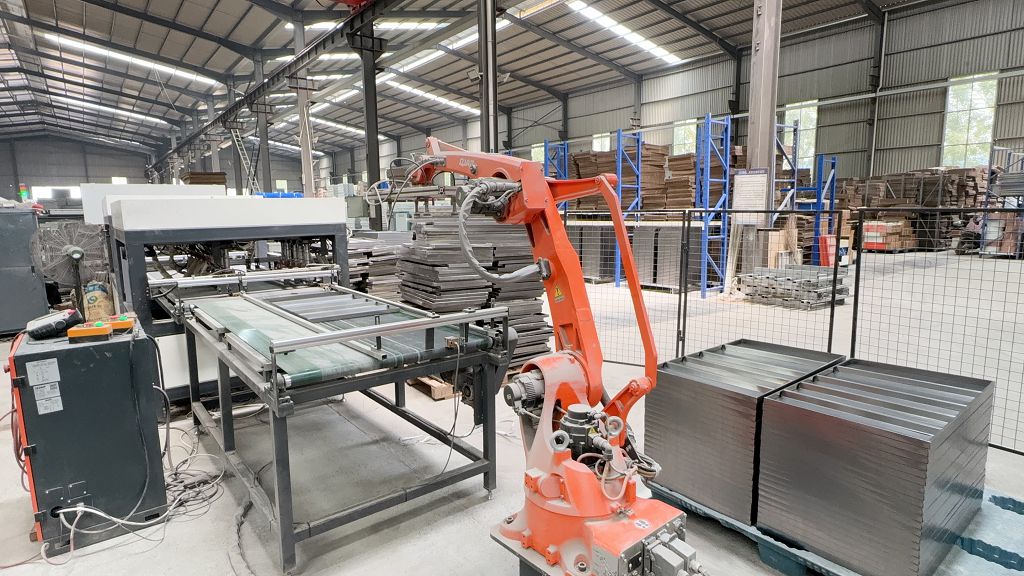
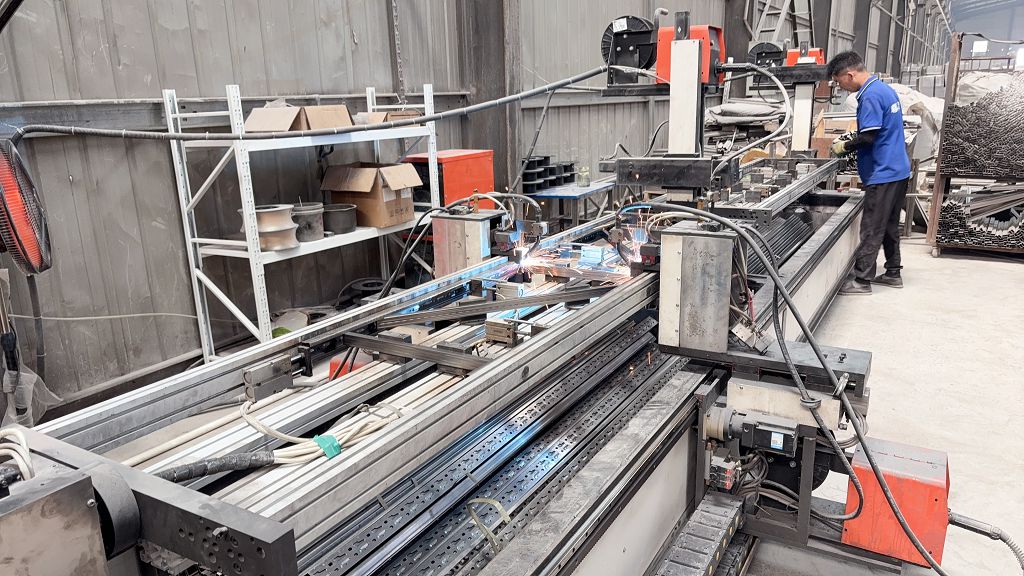
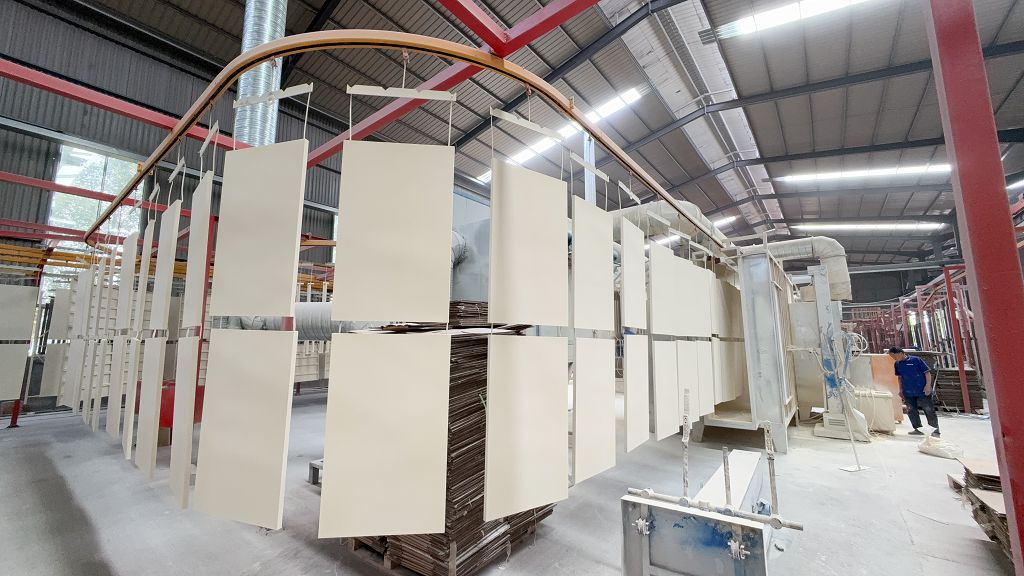
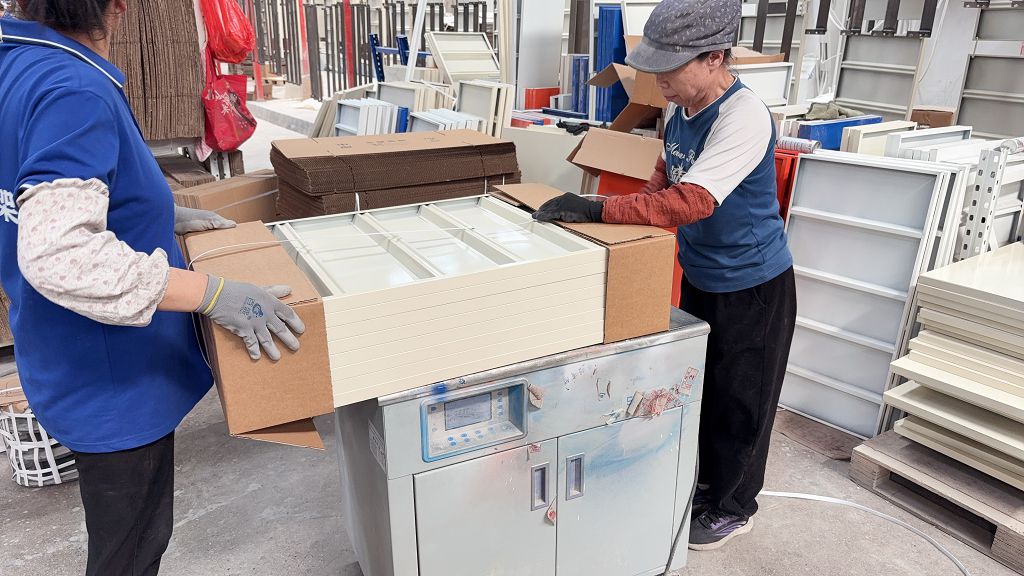
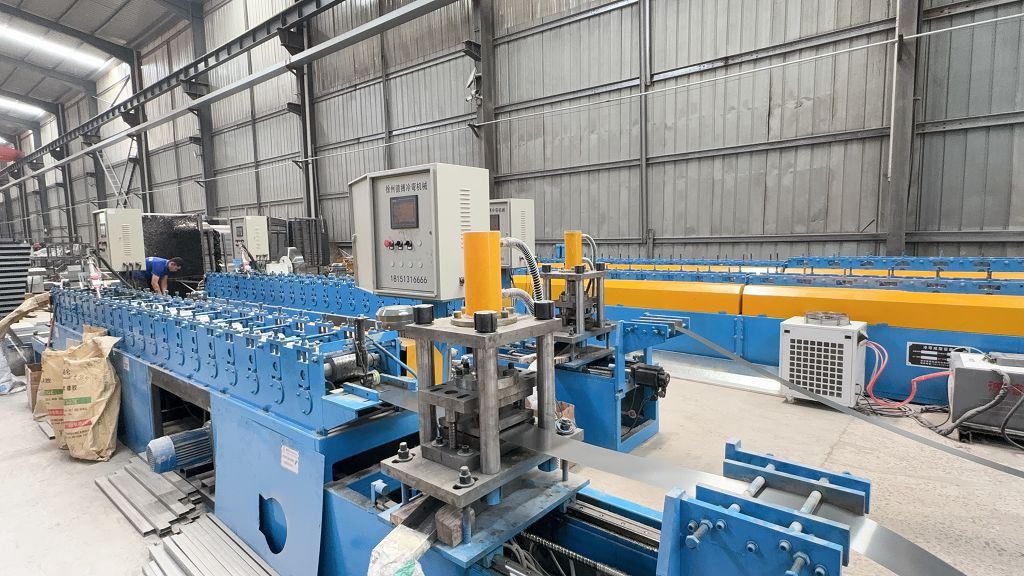
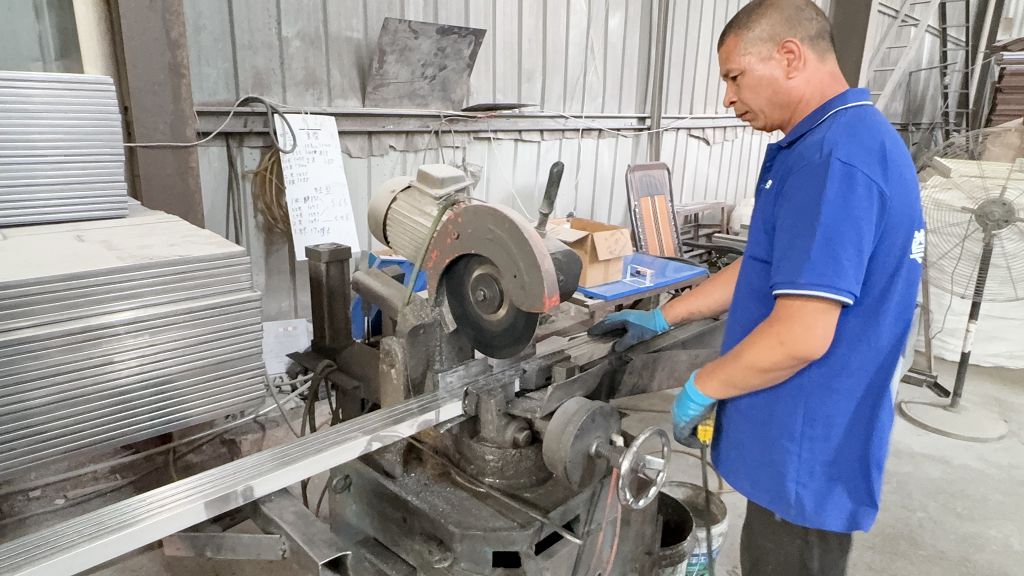
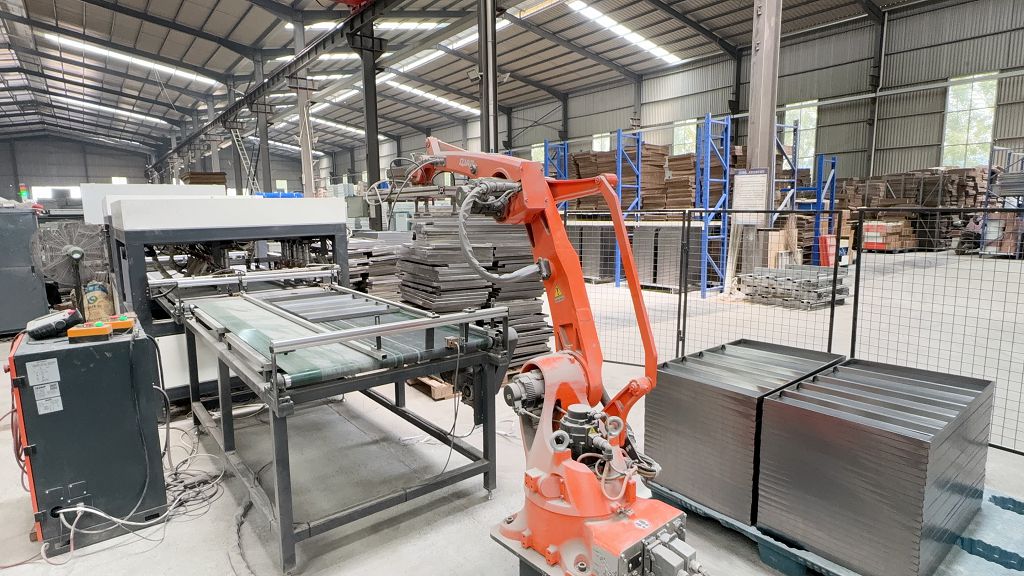
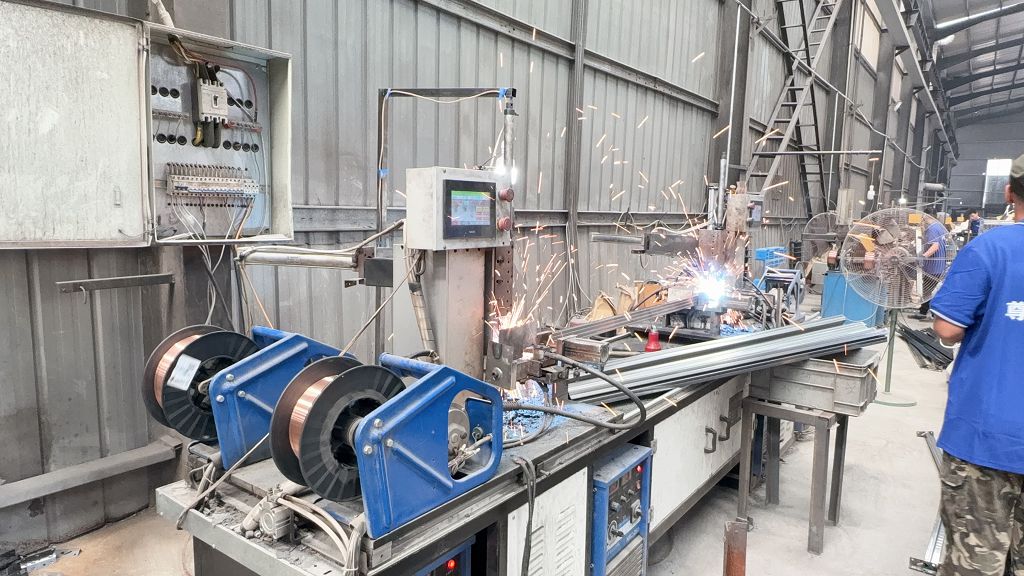
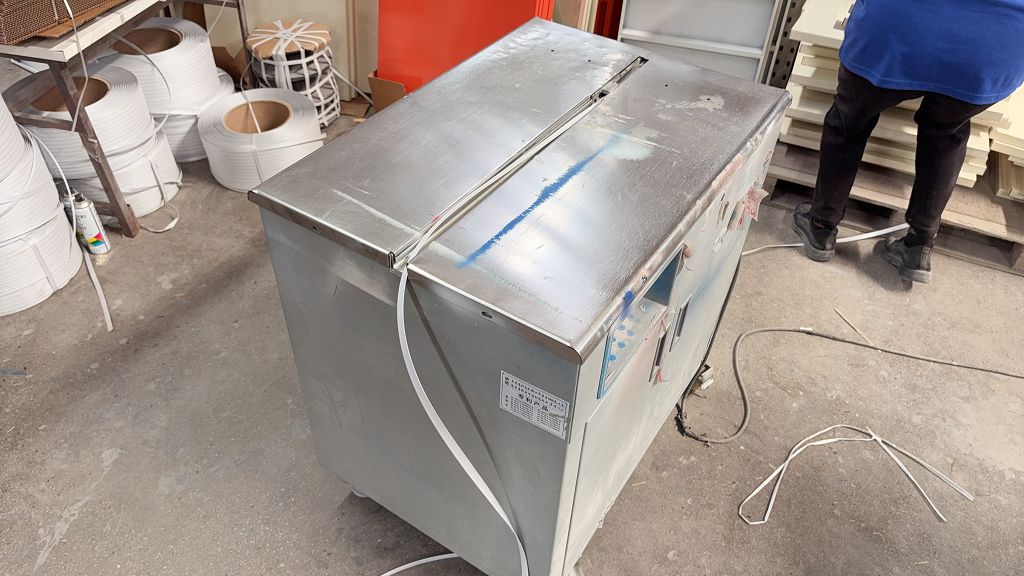
Precision execution at the factory level directly determines the reliability of downstream automated warehouses. Below are the actual machine processing stages and hardware facilities at the Nanjing Lush Rack production facility, demonstrating our end-to-end quality custody.
Traditional storage setups restrict movement to two lateral dimensions. The next generation of warehouse operations relies heavily on 4D shuttle technology, which enables automated carts to navigate horizontally, longitudinally, and vertically via automated lifts. At Nanjing Lush Rack, our engineering team works to optimize connection tolerances, rail alignment, and structural node connections to ensure these robotic runners maintain high operating speeds without vibration-induced positioning errors.
As warehouses scale to heights exceeding 30 meters, monitoring structural health becomes a critical safety concern. Future systems will feature load sensors and strain gauges integrated directly into load-bearing racking uprights. These connected components feed data directly to warehouse management dashboards, alerting facility operators of overload anomalies or potential forklift impact zones before structural failure occurs.
Automated cold storage requires racking materials that resist low-temperature embrittlement down to -30°C. We utilize specific low-alloy structural steels engineered with enhanced impact toughness. Furthermore, maximizing spatial volume in cold chambers via automated storage minimizes heat transfer surface areas, reducing energy footprints and operating costs for regional distribution centers.
We are shifting our layout designs toward detailed Building Information Modeling (BIM) platforms. By exporting precise spatial configurations directly into customer digital twins, warehouse integrators can run structural stress tests, verify automated crane clearances, and optimize vehicle routing paths before laying physical anchors on the shop floor.
Procuring raw steel profiles, executing automated precision welding, and delivering modular systems globally requires a well-optimized industrial ecosystem. Nanjing's geography and localized industry cluster offer unique benefits for global supply chains:
Nanjing sits in close proximity to major domestic steel producers. This geographical location guarantees consistent access to premium structural steel plates, protecting lead times from regional supply disruptions.
From initial plate cutting and robot-assisted welding to powder-coating runs and ocean-ready packaging, every processing stage is executed in-house. Eliminating third-party processing delays streamlines overall project cycles.
Direct access to deep-water river ports along the Yangtze connected to Shanghai maritime networks enables reliable logistics routing, reducing inland transport costs for global shipments.
Different regions present unique regulatory and operating challenges. Our engineering approach adapts to meet these localized requirements:
Standards: RMI & ANSI MH16.1
North American operations frequently specify Teardrop racking for compatibility with existing warehousing facilities. For coastal or high-seismic zones in North America, we utilize heavy-gauge anchor plates and custom column guard assemblies to pass local building permit inspections.
Standards: EN 15512 & FEM 10.2.02
European projects emphasize strict safety factor calculations and specialized configurations for Automated Guided Vehicles (AGVs). Our robotic welding processes guarantee the clean, uniform profile joints required for European logistics terminals.
Standards: AS4084 & ISO 9001
In high-humidity coastal climates and low-temperature cold chain environments, rust prevention is critical. We utilize hot-dip galvanized finishes and multi-layer powder-coating lines to protect steel surfaces from rust and environmental wear.
Key technical details and engineering criteria for sourcing automated storage structures:
We construct our racking systems using high-strength structural carbon steel, primarily Q235B and Q355B (equivalent to ASTM A36 and ASTM A572 Grade 50). These materials offer optimal yield points and tensile strength to handle heavy static and dynamic loads under industrial conditions.
Yes. Our designs comply with the Rack Manufacturers Institute (RMI) standards and ANSI MH16.1 specifications. For areas prone to seismic activity, we adjust baseplate dimensions, anchor configurations, and frame bracing designs to meet local seismic design categories.
Depending on customization requirements and project scale, standard fabrication runs take between 4 to 6 weeks from technical drawing sign-off to container loading. Ocean transit times vary by destination, typically taking 3 to 4 weeks to Europe or North America.
Yes. We manufacture physical racking structures to match the exact geometric tolerances required by major AS/RS integrators. This ensures smooth operations for crane guides, shuttles, and sensors managed by third-party Warehouse Management Systems (WMS).
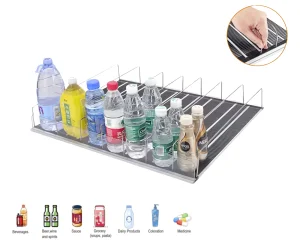
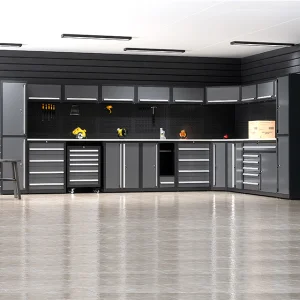
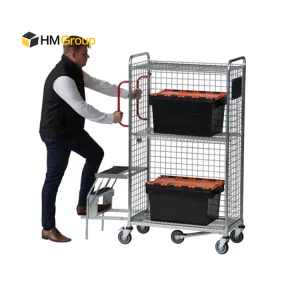
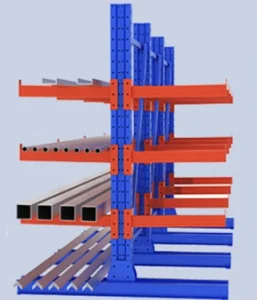
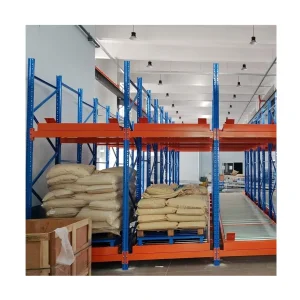
Explore our range of gravity-fed flow racking, manual order picking carts, heavy-duty structural steel racks, and parts storage bins designed to optimize floor operations.
 Lush Rack