

An engineering study on optimizing vertical space for heavy cylindrical spools under extreme loading conditions.
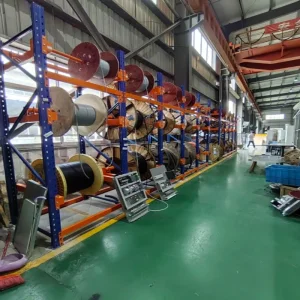
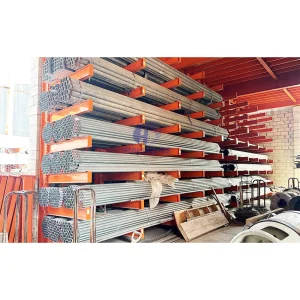
Industrial warehousing for cylindrical payloads, such as high-voltage electric cable spools, steel wire ropes, and industrial flexible pipes, presents a distinct mechanical challenge. Standard horizontal shelving systems are incapable of supporting the high, localized point loads exerted by cylindrical reels. Without specialized structural engineering, storing heavy reels leads to uneven load distribution, structural sagging, and high-risk manual handling hazards.
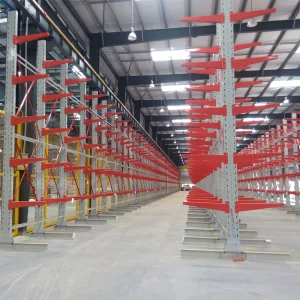
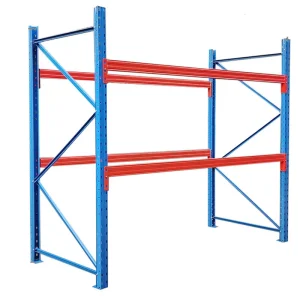
Nanjing Lush Rack Co., Ltd. stands as a primary engineered authority in China, designing and manufacturing specialized Cable Reel Racking Systems. Built utilizing premium cold-rolled Q235B and high-yield Q355B structural steel, our systems resolve the core physics challenges of spooled inventory storage: converting concentrated lateral and rotational forces into secure, static vertical vectors directly transferred to the warehouse floor.
Our structural calculations are based on international standards to guarantee safety coefficients:
Calculated structural margins to withstand dynamic shock forces when pulling and dispensing cables directly from the racking frame.
Heavy-duty welded retention brackets preventing accidental spool displacement during overhead crane or forklift maneuvers.
Designed under a rigorous L/300 deflection limit criteria (where span length divided by 300 defines the maximum allowable flex under full load).
Understanding the mechanical attributes allows logistics engineers to select the optimal frame configuration based on spool diameter, core axle weight, and warehouse floor limits.
| Parameter Class | Technical Specifications | Industrial Application Target |
|---|---|---|
| Material Base Steel | High-strength Q235B or Q355B (GB/T 1591) Carbon Steel | Structural integrity under continuous static load fatigue |
| Load Capacity | 1,000 kg to 5,000 kg per storage level (spindle bay) | Heavy-duty copper cabling, telecom spools, and steel lines |
| Corrosion Protection | Electrostatic thermosetting epoxy powder coating (70-90 microns) | Resistance to moisture, mechanical friction, and light chemical exposure |
| A-Frame Columns | 80x60mm up to 120x95mm roll-formed profiles with 50mm pitch adjustability | Variable height configuration matching different drum outer diameters |
| Safety Factor | 1.5 structural safety factor for static loads; 2.0+ for dynamic payoff setups | Protection against accidental load dropping and shock loads |
| Spindle Rod Design | Heavy-wall seamless steel pipe with high-impact centering collars | Smooth rotation during cable unspooling operations |
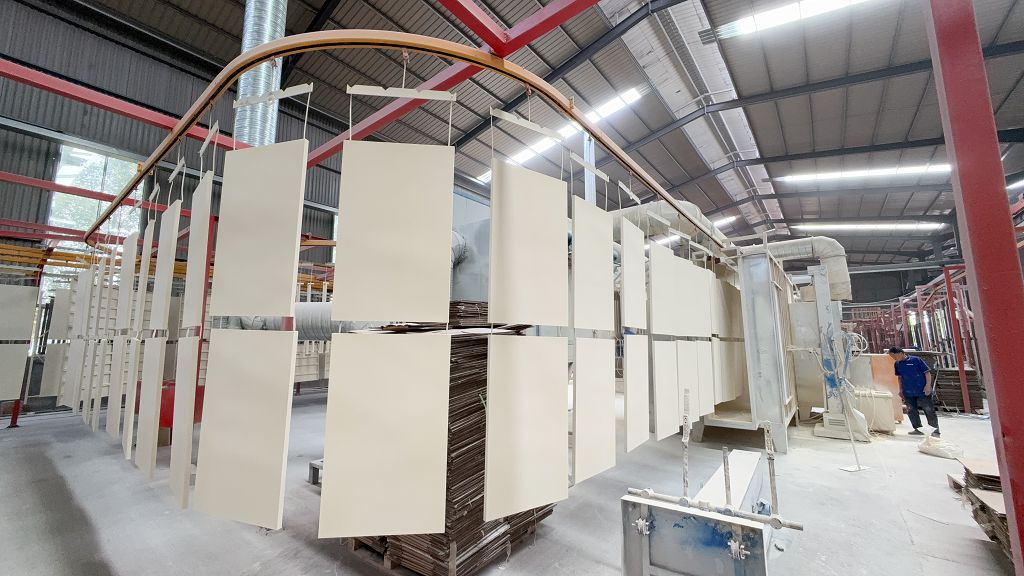
Witness the step-by-step technological process from raw steel profiles to certified heavy industrial racking products.
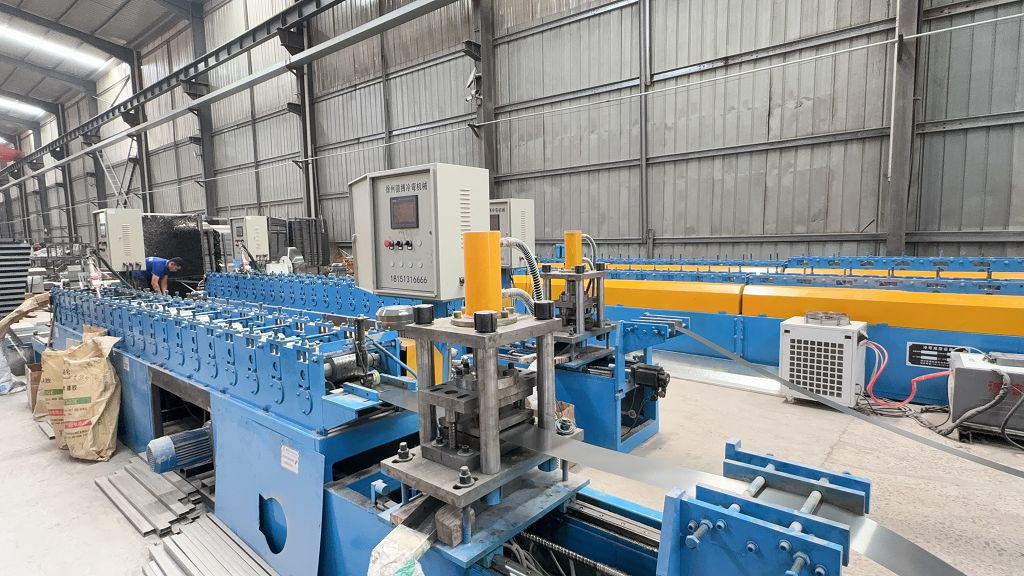
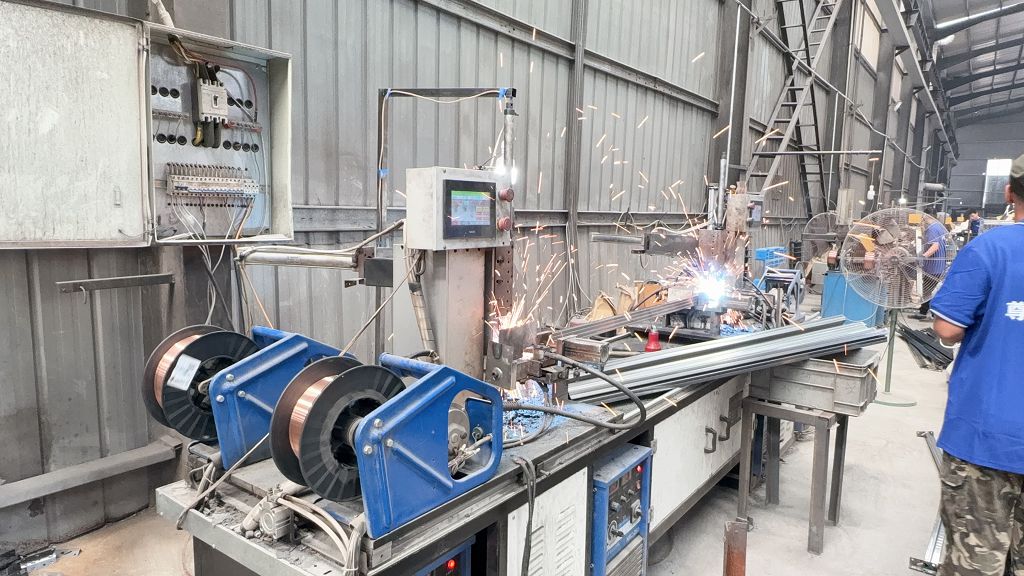
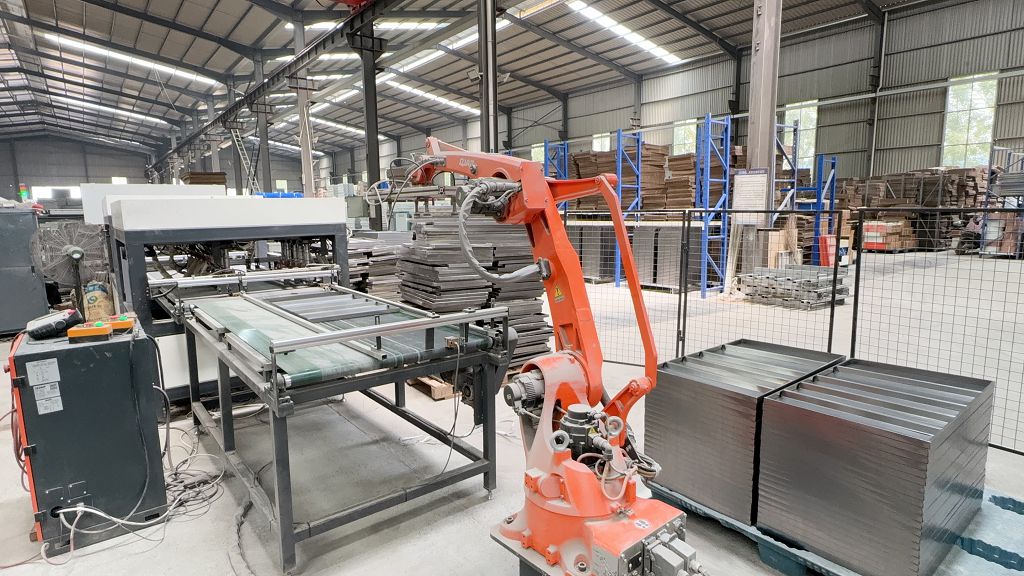
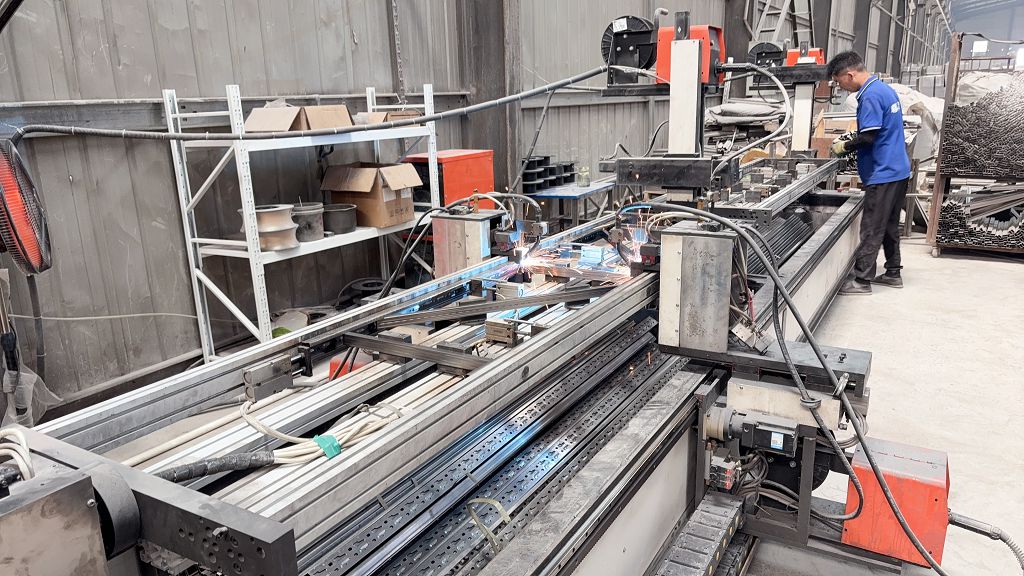
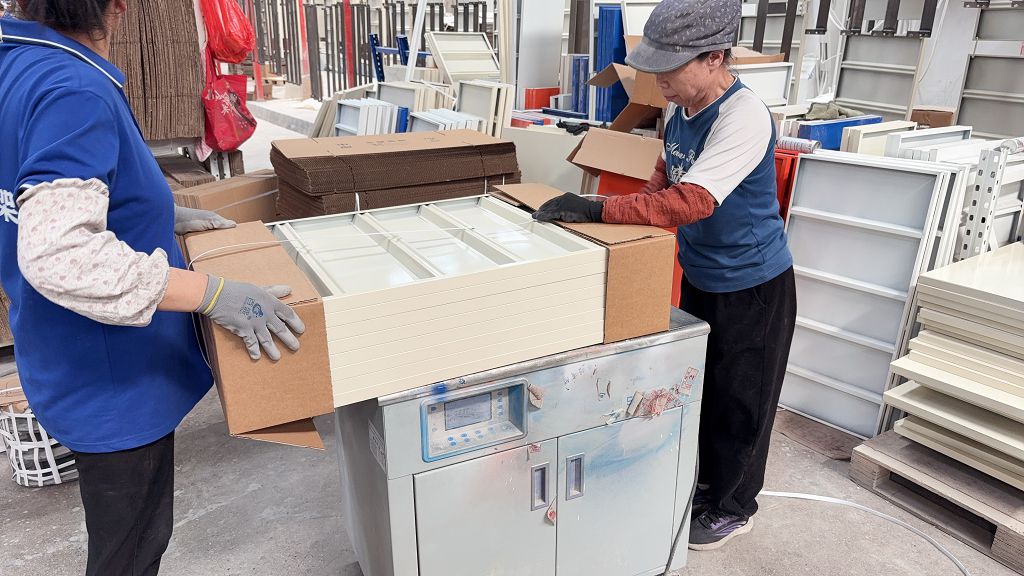
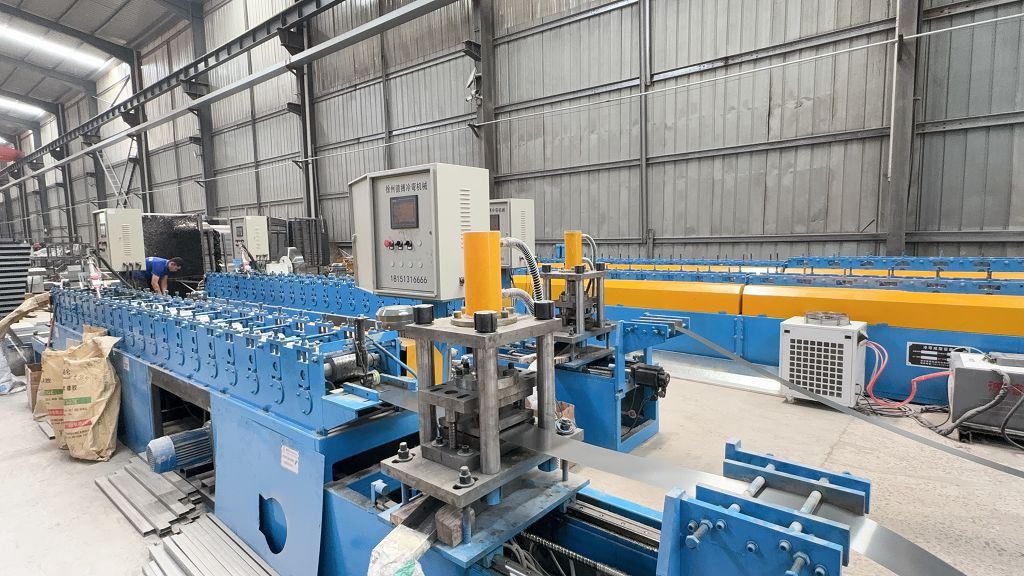
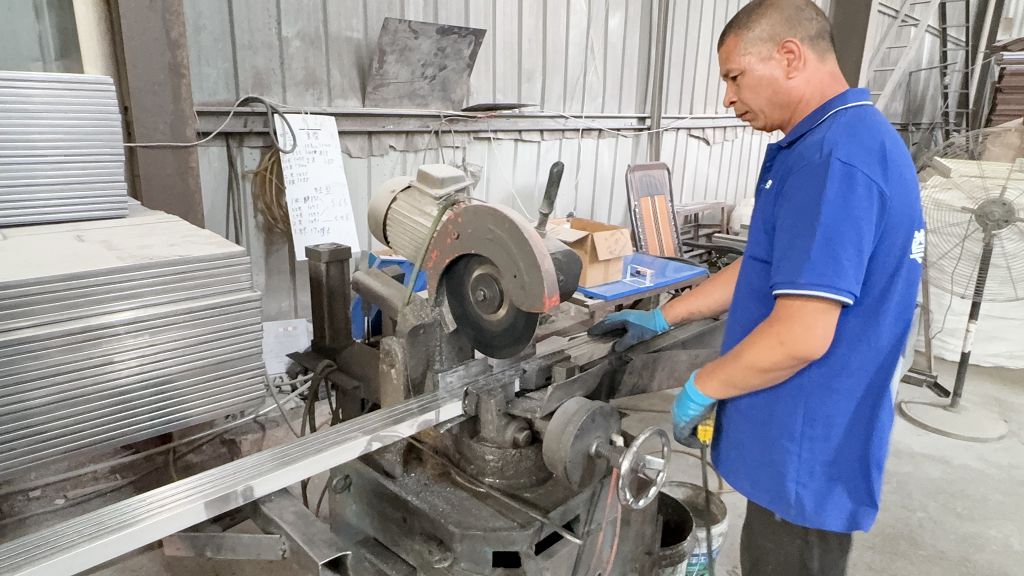
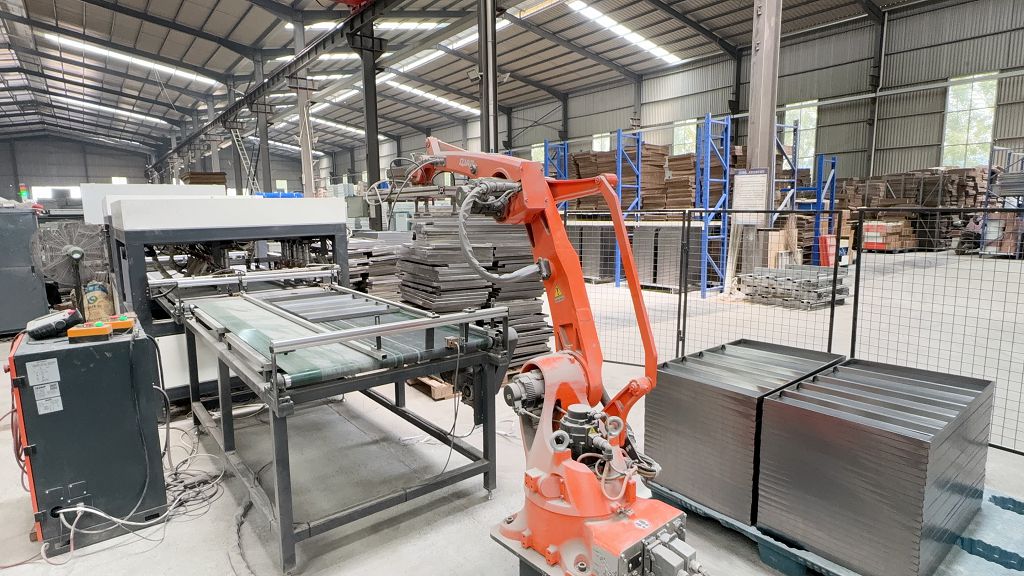
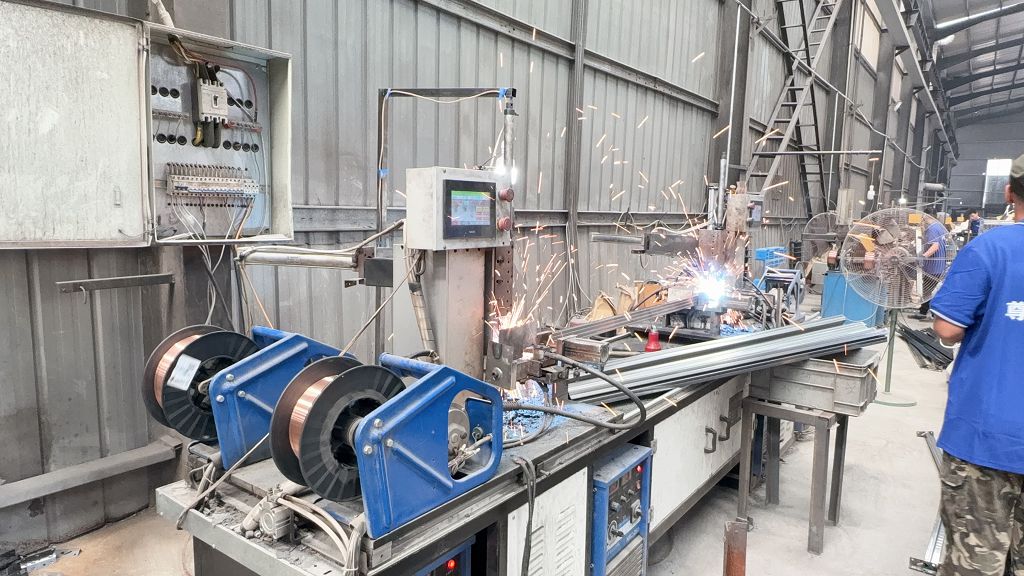
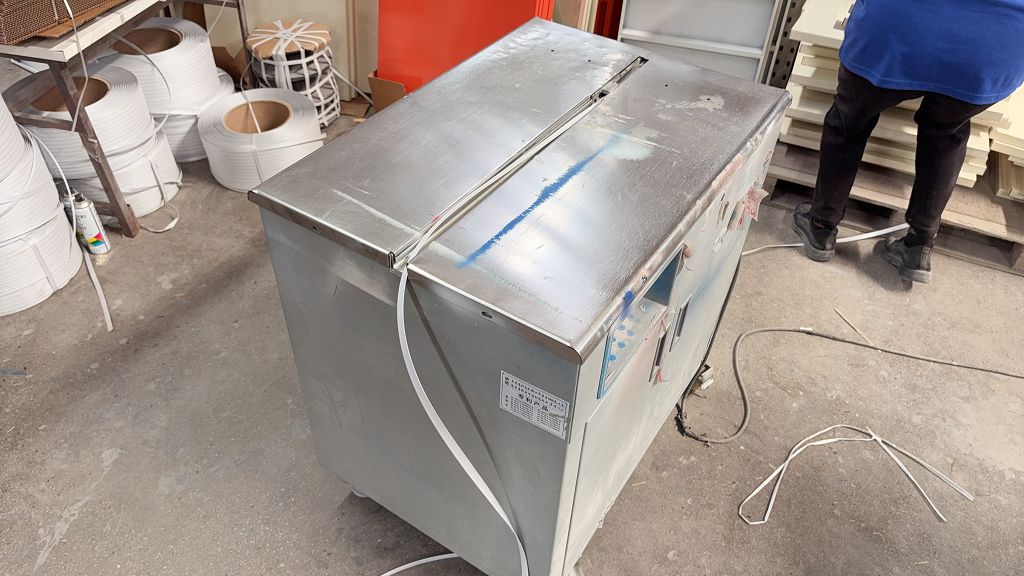
The manufacturing facility of Nanjing Lush Rack Co., Ltd. integrates computerized CNC machining centers, automated laser cutting lines, and robotic welding stations. Automated cold roll-forming lines shape raw steel coils into complex structural columns with precise dimensional tolerance checks. Robotic welding guarantees uniform, high-strength welds for all structural components, including load-carrying beam connectors.
Surface treatment at Lush Rack is performed on an automated electrostatic powder-coating line. This process includes pre-treatment, hot alkaline degreasing, acid rust removal, phosphating, and final powder application followed by high-temperature curing. The resulting coat protects the steel against oxidation, impact wear, and moisture-induced corrosion, maintaining long-term durability.
Custom-engineered racking layouts adapted to specific operational environments and regulatory frameworks.
High-voltage cable spools are highly heavy and valuable assets. Our racking systems feature customized safety brakes and drop protection locks to prevent accidental spool release, facilitating safe loading and unloading operations for overhead cranes and heavy-duty forklifts.
Fiber-optic reels require controlled dispensing tension to prevent structural damage. Our payoff racking frames feature low-resistance, high-strength bearings and tension-limiting brakes to support damage-free cable unwinding and rewinding.
Heavy steel wire spools require high corrosion protection due to exposure to moisture, salt spray, and chemicals. Our hot-dip galvanized and high-durability epoxy-powder finishes protect structural components from rusting, maintaining structural integrity over long operational lifespans.
For mobile operations, such as installation trucks and offshore spooling vessels, we engineer specialized compact vehicle-mounted payoff racks. These units feature mechanical braking plates to secure spools against motion, vibration, and dynamic shifting during transport.
Integrating mechanical storage frames with smart sensors, automated retrieval systems, and predictive load analysis.
Modern warehouses are transitioning from manual static rack storage to dynamic, data-driven smart hubs. Nanjing Lush Rack is actively researching and engineering the integration of automated guided vehicles (AGVs) and stacker cranes with custom cable reel racking arrays.
Future developments focus on incorporating IoT-enabled load sensors directly within the axle support brackets. These sensors measure micro-deflections in real-time, sending load distribution data to the warehouse management system (WMS) to prevent overload conditions.
Ensuring structural compliance, safety verification, and freight optimization for international procurement teams.
Our engineers utilize finite element analysis (FEA) to simulate local seismic hazard curves. We customize structural baseplates, anchor bolts, and cross-bracing configurations to comply with international seismic design codes.
All products ship with full material mill certificates, quality check reports, and CE/ISO declarations of conformity. This documentation supports fast customs clearance in EU, North American, and Asia-Pacific ports.
We package components flat using heavy-duty steel pallets and protective wrapping to optimize container volume usage and protect the powder-coated finish from transit damage.
Get professional answers to common questions about cable reel storage rack engineering, procurement, and deployment.



 Lush Rack