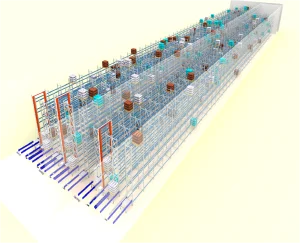
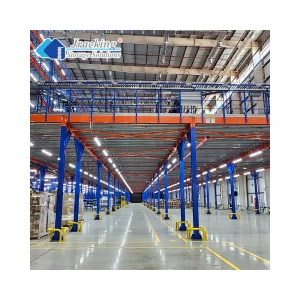
Engineered to comply with the National Structural Code of the Philippines (NSCP) for maximum durability and storage efficiency.
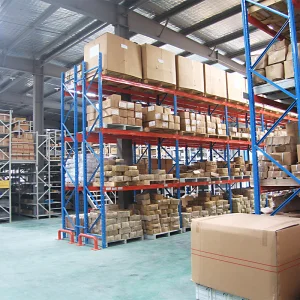
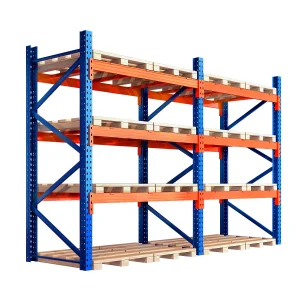
The Greater Manila Area—encompassing Metro Manila, Calabarzon (Cavite, Laguna, Batangas, Rizal, and Quezon), and Central Luzon—stands as the primary economic engine of the Philippines. Driven by the rapid growth of e-commerce, third-party logistics (3PL) providers, cold chain hubs, and fast-moving consumer goods (FMCG) distribution networks, the demand for high-density, reliable industrial warehousing is at an all-time high.
However, operating warehouses in Manila presents distinct structural engineering challenges. The Philippines sits along the Pacific "Ring of Fire," which exposes buildings to frequent and severe seismic activity. This geographic reality means that standard warehouse pallet racks cannot simply be imported without strict adherence to the **National Structural Code of the Philippines (NSCP 2015)** and standard RMI (Rack Manufacturers Institute) guidelines. Structural steel pallet racking, fabricated from hot-rolled C-channel profiles, provides the heavy-duty strength, resilience, and elasticity necessary to survive high-magnitude earthquakes while keeping warehouse staff and inventory secure.
Furthermore, the proximity of Manila's major ports (Manila North Harbor, Manila South Harbor, and Manila International Container Terminal) introduces high levels of coastal humidity and salinity. Traditional racking systems manufactured without premium corrosion resistance risk rapid oxidation, compromising structural integrity. This is where advanced manufacturing and hot-rolled structural steel technologies become crucial for the long-term sustainability of supply chains in Manila.
Understanding the logistical parameters when importing industrial racking to Manila:
We back our industrial engineering with verified metrics and structural certifications.
For Manila’s high-traffic logistics hubs, choosing structural steel (hot-rolled) is a vital long-term investment. Here is how they compare:
| Feature / Parameter | Structural Steel Racking (Hot-Rolled C-Channel) | Standard Racking (Cold-Formed Roll-Formed) |
|---|---|---|
| Impact Resistance | Excellent. Withstands repetitive forklift impacts without structural failure. Ideal for heavy transit centers. | Moderate. Prone to denting and bending upon forklift collision, requiring immediate replacement. |
| Seismic Performance | High elasticity & strength. Complies with Manila Zone 4 seismic engineering standards. | Requires significant additional cross-bracing and thicker frames to achieve similar safety limits. |
| Load Capacity | Up to 3,000kg to 5,000kg per level or more (for heavy dies, industrial machinery, and bulk goods). | Typically limited to 1,000kg to 2,500kg per level. Better suited for lighter commodities. |
| Maintenance & Lifespan | Extremely low maintenance cost. Easily repaired. Expected lifespan of 20+ years in industrial hubs. | Higher operational maintenance. Dented components require complete upright/beam replacement. |
| Corrosion Resistance | Superior thickness allows thick hot-dip galvanizing and electrostatic powder coating. | Standard powder coating; thin walls are more vulnerable to inner-channel rust. |
Nanjing Lush Rack Co., Ltd. operates a vertically integrated factory. From structural steel cutting to automatic powder coating, every stage is audited for precision.
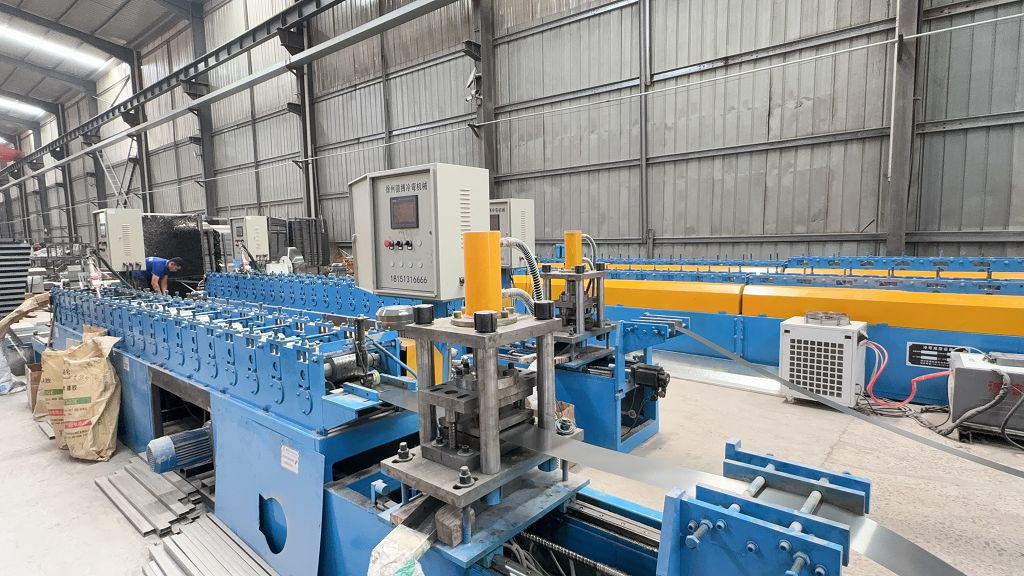
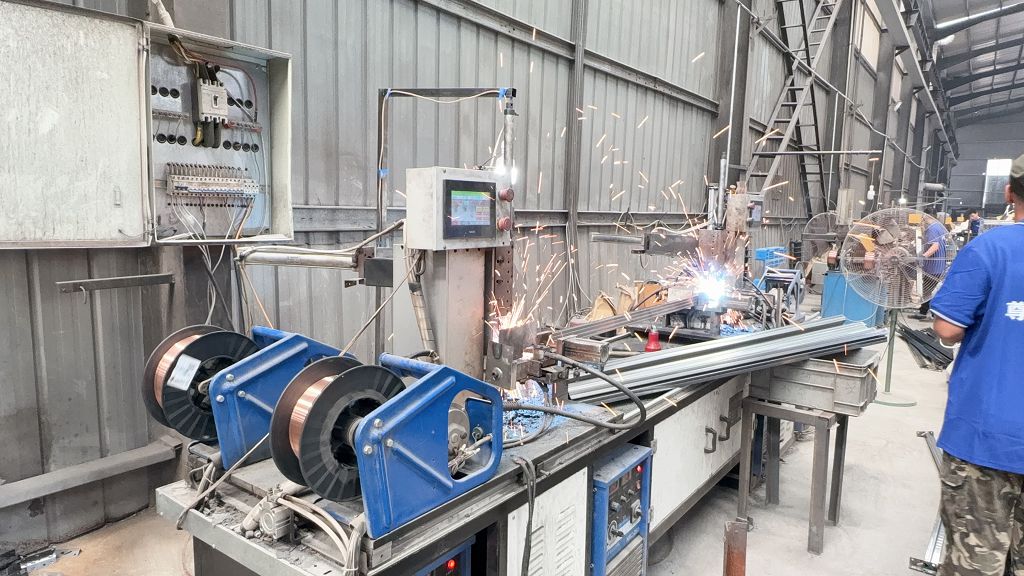
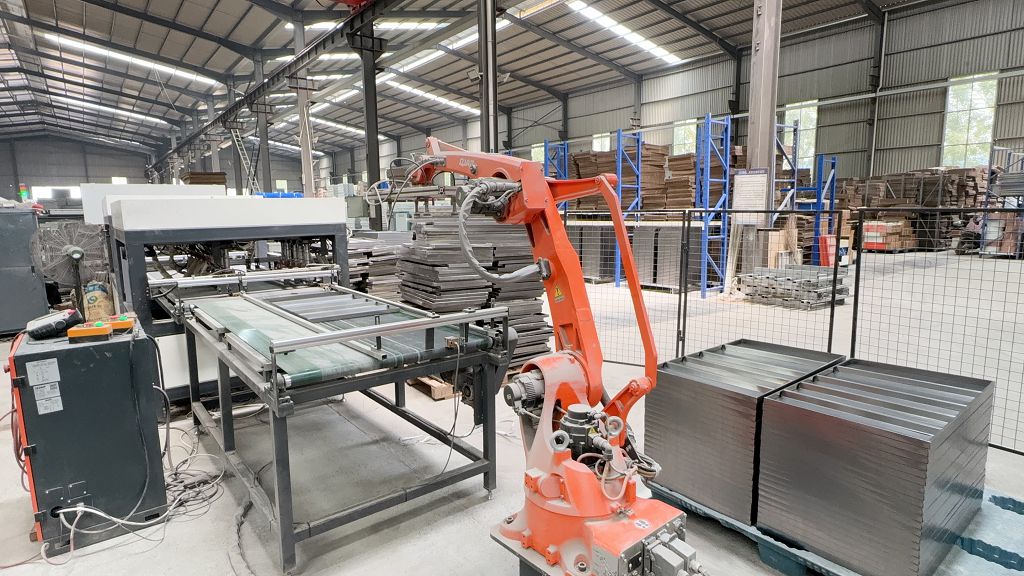
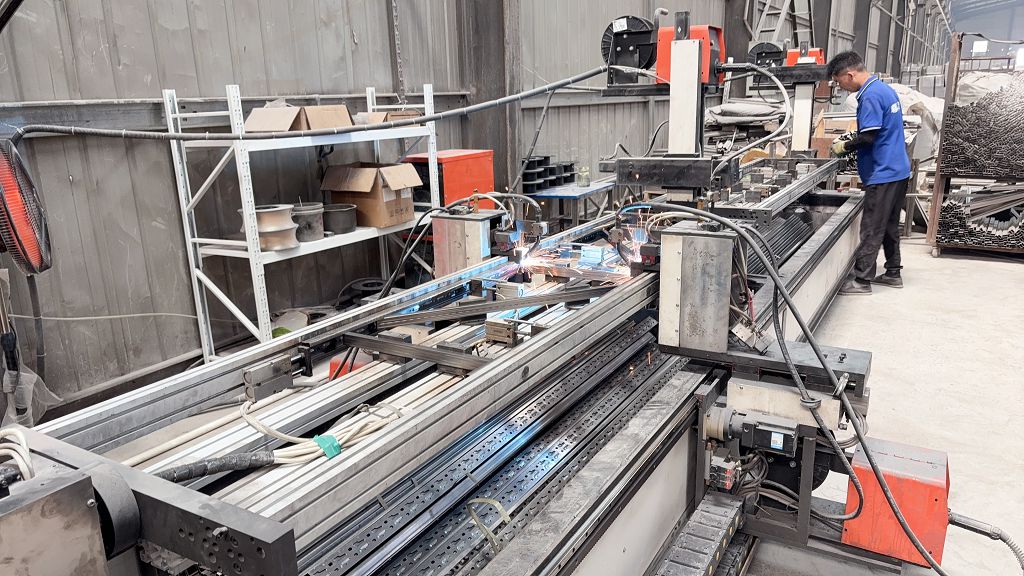
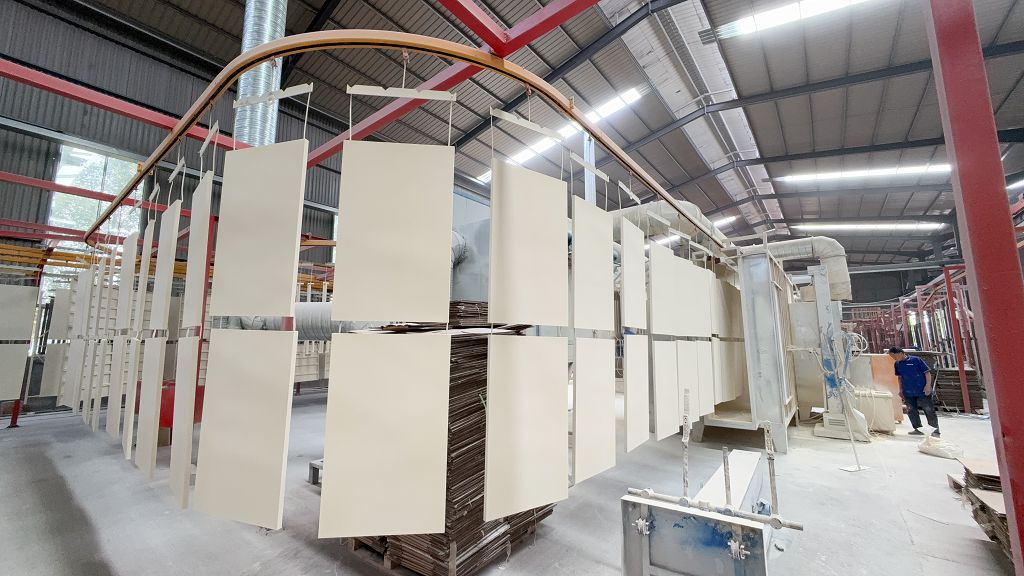
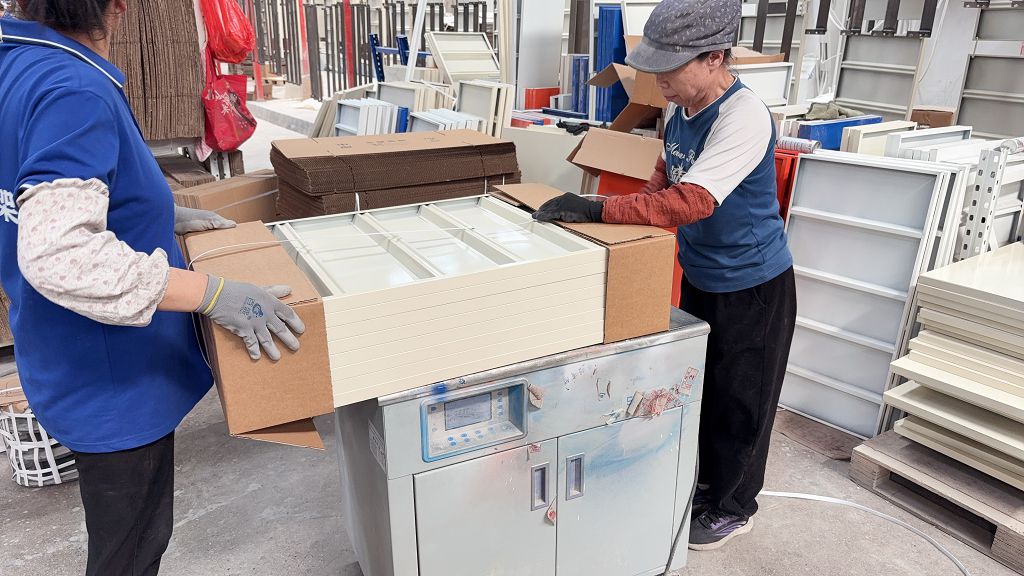
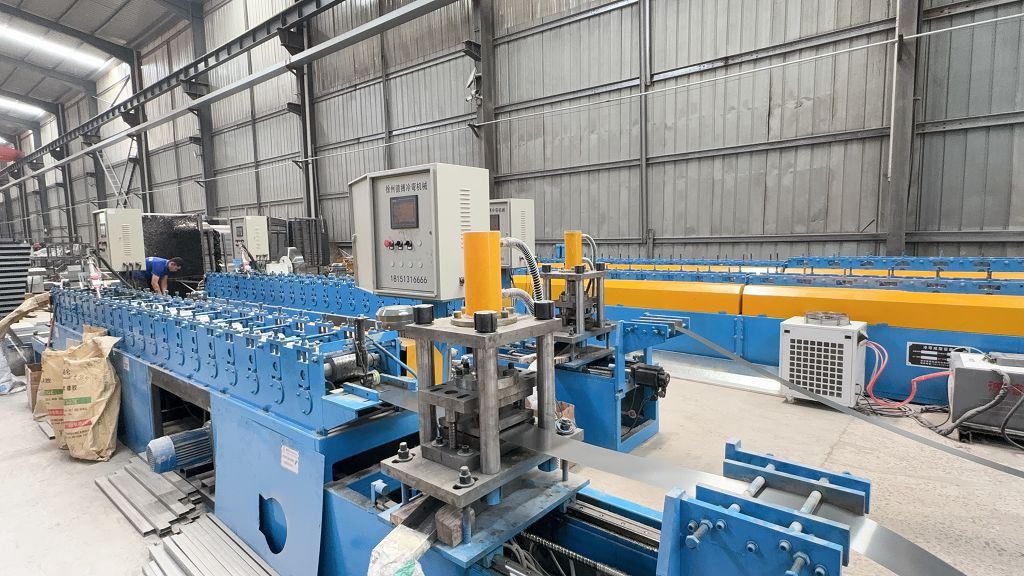
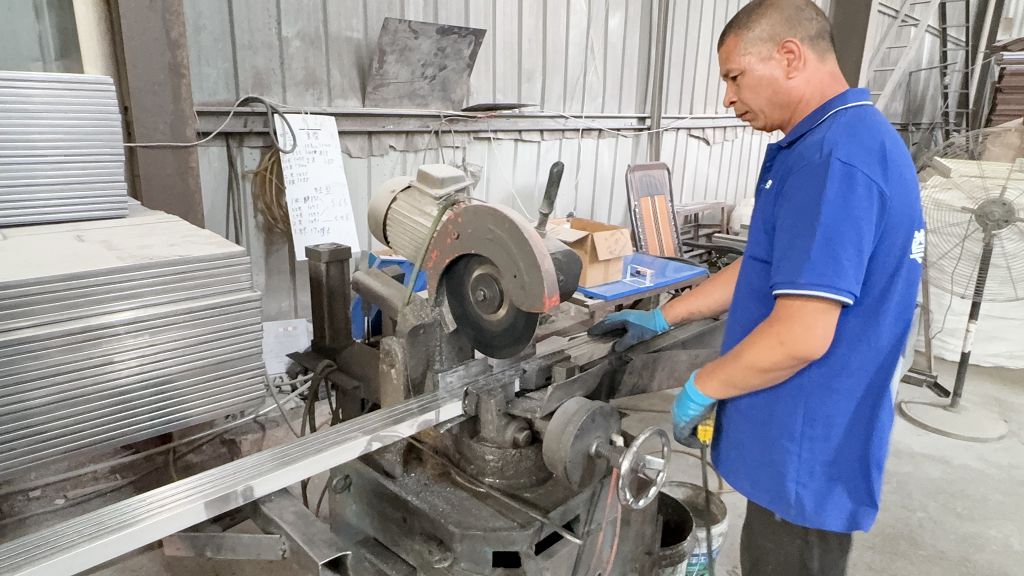
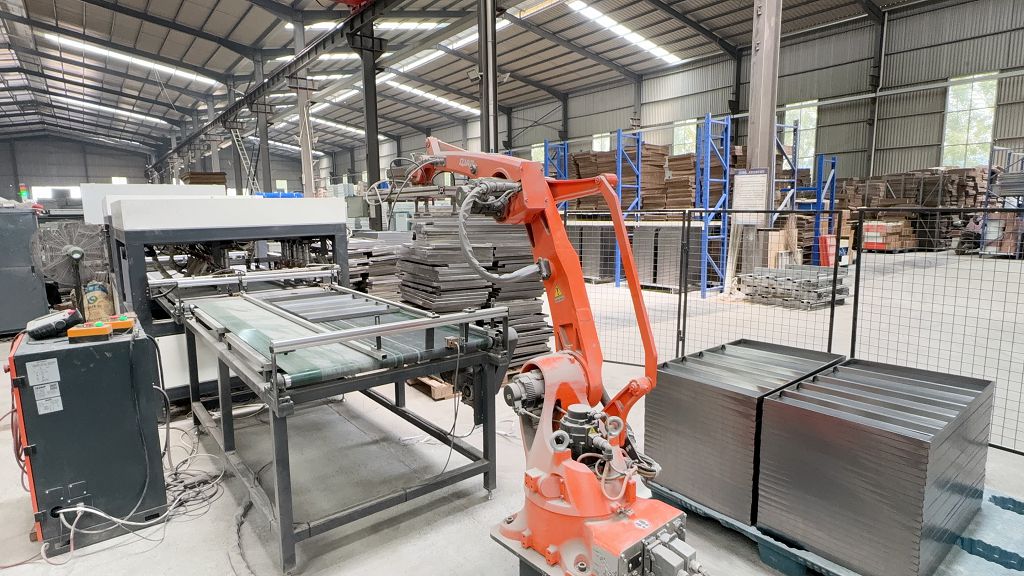
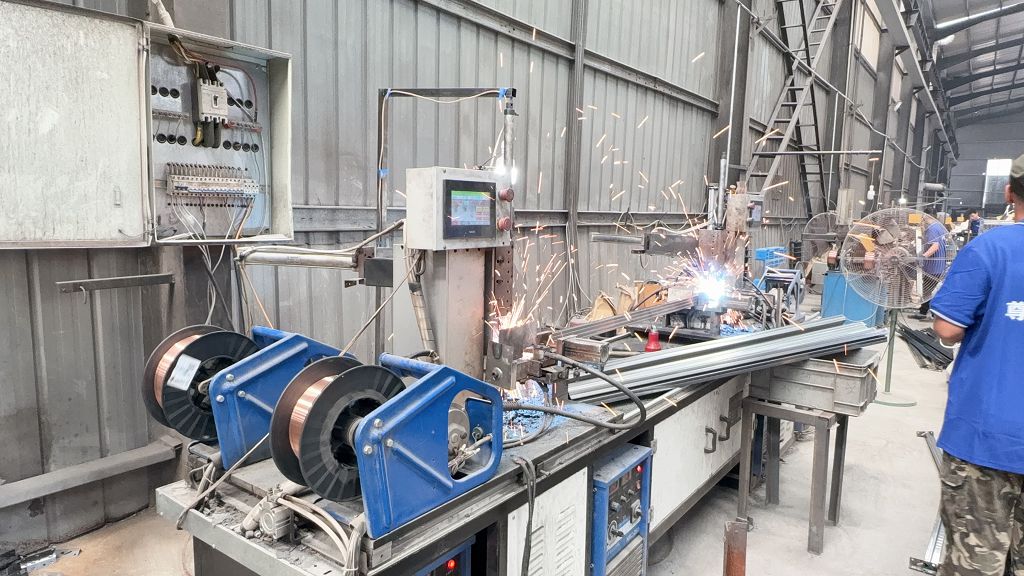
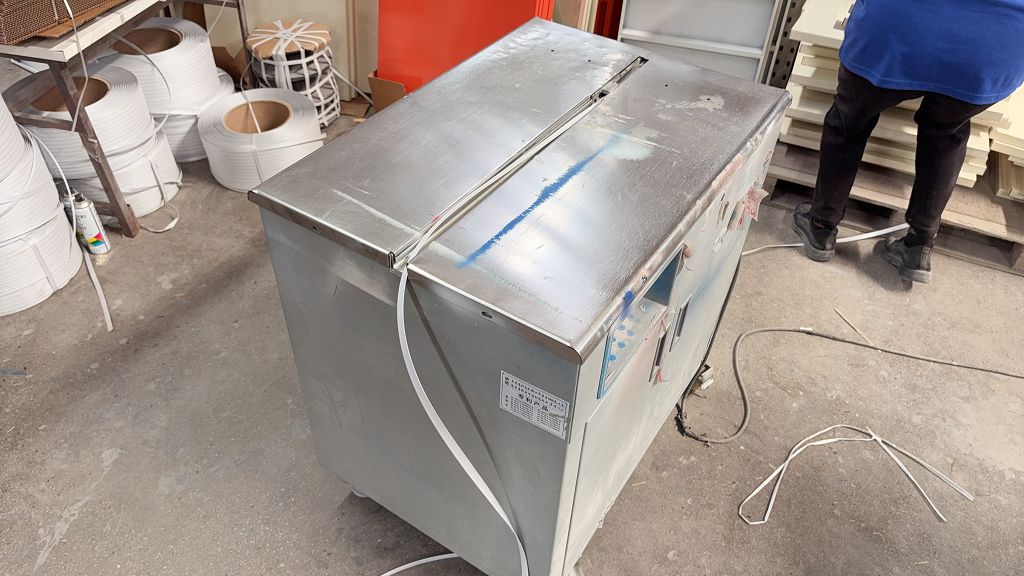
For supply chain procurement executives in the Philippines, sourcing directly from high-end Chinese manufacturing centers offers an ideal balance of raw material grade availability and financial efficiency. Nanjing Lush Rack Co., Ltd. leverages China’s advanced steel manufacturing clusters, utilizing high-grade raw materials (Q235B and Q355B structural steel).
When compared to localized Philippine fabrication, importing from our specialized plant in Nanjing guarantees consistent weld penetration (tested under ultrasonic weld inspections), automated powder coatings, and precise hole punching. This ensures that when the structural rack columns arrive in Manila, they assemble seamlessly without on-site cutting or re-welding, which can compromise the integrity of structural steel.
In terms of logistical flow, shipping from major Chinese ports (Shanghai/Nanjing) to Manila takes approximately 7 to 10 days. We provide complete sea freight packing using customized steel cradles, ensuring structural frames do not experience bending during maritime transport or port handling.
Nanjing Lush Rack Co., Ltd. is a professional manufacturer specializing in industrial storage racking systems and warehouse storage solutions. The company is dedicated to the research, design, production, and installation of a full range of warehouse racks and shelving systems, providing efficient and reliable storage infrastructure for modern logistics and supply chain operations.
With strong engineering capabilities and advanced manufacturing equipment, we deliver complete warehouse racking solutions from concept design and structural calculation to production, quality inspection, and installation guidance. Our engineering team works closely with clients to analyze warehouse space utilization, material flow, and load requirements, ensuring that each solution is safe, stable, and cost-effective.
The company maintains a strict quality control system throughout the production process, from raw material selection to final product inspection. All racking systems meet international safety and durability standards, ensuring long service life and reliable performance under heavy industrial use.
Explore our full line of selective structural pallet racking, heavy-duty shelving, and customized space-saving configurations designed for industrial distribution centers.
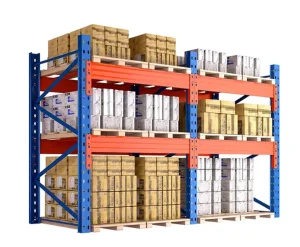
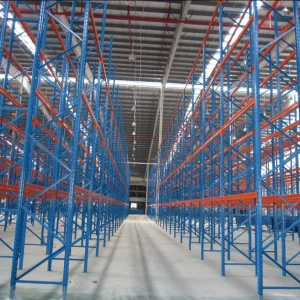
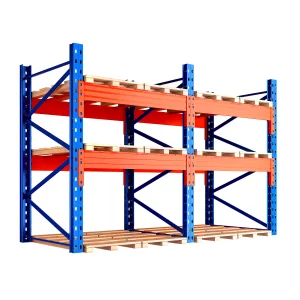
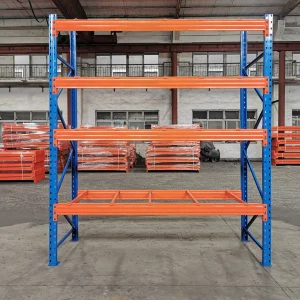
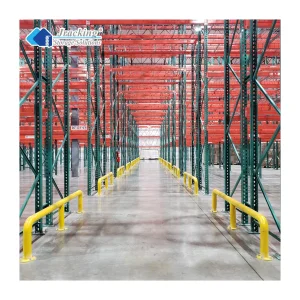
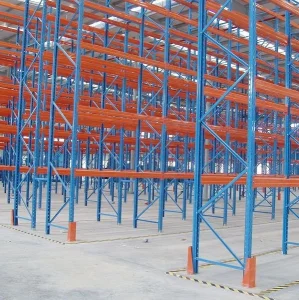
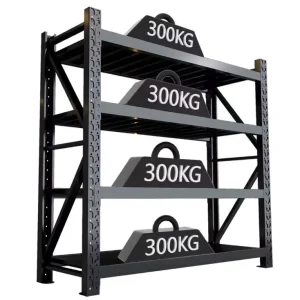
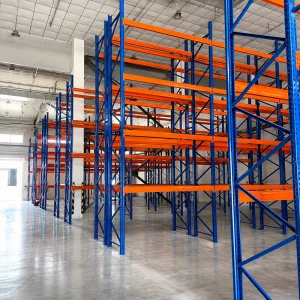
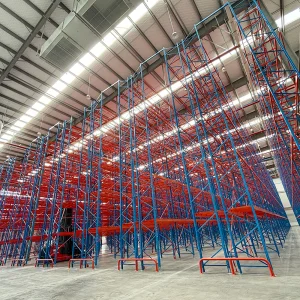
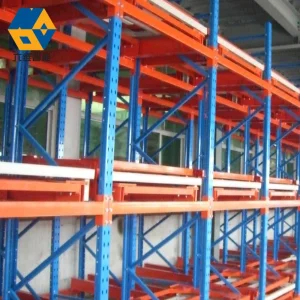
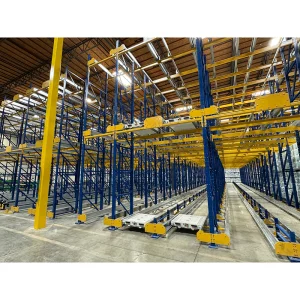
Racking engineering in the Philippines requires calculating the dynamic forces exerted during seismic events. Unlike standard gravity load designs, pallet racks act as flexible high-rise structures loaded with multi-ton product storage. In the event of ground movement along the West Valley Fault or the Manila Trench, the racking system must withstand severe lateral shear forces.
To achieve this, our structural racking engineering includes:
Cold Chain Storage in Navotas and Valenzuela: The seafood and meat importing hubs of Metro Manila require racking structures capable of withstanding constant freezing and thawing cycles. Our hot-dip galvanized structural pallet racking provides corrosion resistance within sub-zero temperatures (-25°C to -40°C), preventing the condensation-induced rust common in cold environments.
E-Commerce Fulfillment in Laguna and Cavite (Calabarzon): For 3PL operations managing millions of SKUs, high-density mezzanine flooring and ASRS (Automatic Storage & Retrieval Systems) integrated onto structural racking are highly beneficial. These systems optimize high vertical clearance structures, maximizing SKU capacity while facilitating rapid order picking and throughput.
Industrial Assembly & Auto Parts Storage in Santa Rosa: The automotive sector requires racking that can handle uneven, heavy loads. The robustness of hot-rolled structural steel beams makes them resistant to damage from forklift operators handling heavy steel crates.
Find engineering, logistics, and pricing answers for industrial racking systems.
Whether you are building a new cold chain center in Valenzuela, a 3PL fulfillment warehouse in Laguna, or an industrial parts depot in Cavite, our engineers are ready to design a compliant, heavy-duty racking layout for your business.
Send Inquiry Now Lush Rack