Primary Product Line Configurations by Nanjing Lush Rack Co., Ltd.
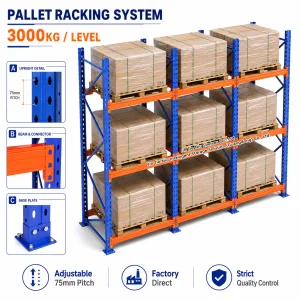
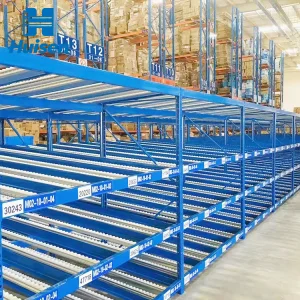
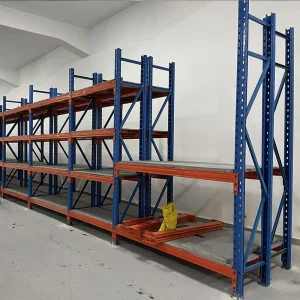
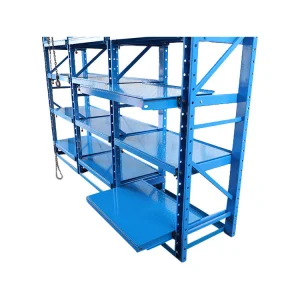
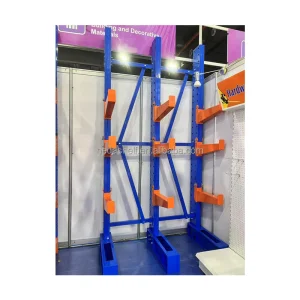
Optimizing heavy tooling storage footprint while guaranteeing floor-safety protocols and seamless crane integration.
In modern industrial fabrication, heavy injection molds, forging dies, and stamping tools represent both immense capital investment and extreme mechanical load profiles. Storing these components requires more than basic warehouse shelving. Standard pallet racking systems cannot handle the high concentration of point loads generated by solid metal dies, which often weigh between 1,000 kg and over 10,000 kg per unit.
Without custom-engineered structural support, warehouses face catastrophic failure risks, load deflections, and operational bottleneck hazards. Modern mold racking configurations employ structural steel components, slide-out drawer designs, and robust safety interlocking mechanisms to ensure safe crane access, zero-deflection storage shelves, and minimized transition times during mold changeovers.
As manufacturing processes scale globally, Nanjing Lush Rack Co., Ltd. leads structural engineering innovations. The company integrates high-grade raw steel like Q235B and Q355B with precise manufacturing techniques, delivering stable structural platforms designed to withstand demanding dynamic loads.
Designed to withstand dynamic loads up to 5,000 kg per shelf, with custom structural options engineered for heavier load profiles.
Reclaims up to 75% of lost warehouse floor space by consolidating horizontal tooling footprints into highly secure vertical layers.
Deciphering performance criteria, steel grading standards, and regulatory safety margins for heavy tooling racks.
| Racking Type | Target Load Range | Recommended Steel Grade | Access Method | Primary Application Scenarios |
|---|---|---|---|---|
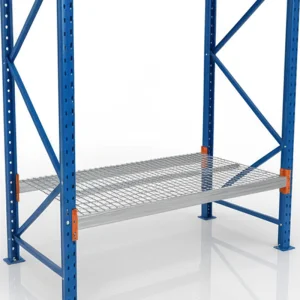
| Slide-Out Drawer Mold Racks | 1,000 to 3,000 kg / Level | Q235B / Q355B High-Tensile Steel | Hoists, Overhead Cranes & Stackers | Injection Molding, Tool & Die Workshops |
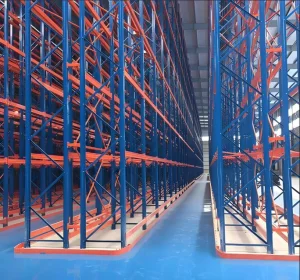
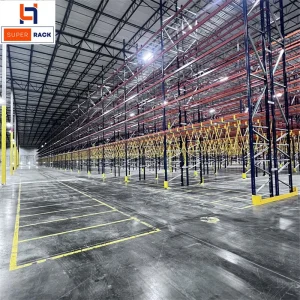
| VNA (Very Narrow Aisle) Racks | 800 to 1,500 kg / Pallet | Q235B Grade Roll-Formed Steel | VNA 3-Way Forklifts, Automated Guided Vehicles | High-Density Distribution Logistics Centers |
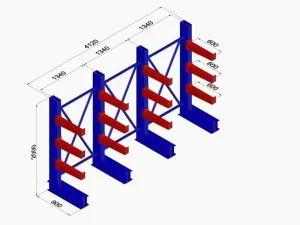
| Heavy-Duty Cantilever Systems | 1,500 to 5,000 kg / Arm | Hot-Rolled Structural H-Beams | Standard Forklifts, Side Loaders | Steel Pipe Manufacturing, Plate Materials, Tubing |
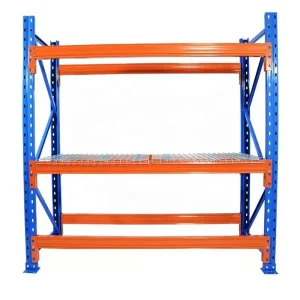
| Selective Pallet Racking | 1,000 to 4,000 kg / Level | Q235B Heavy Steel Beams | Standard Counterbalance Forklifts | General Manufacturing Warehouses, Cold Storage |
Selecting the appropriate steel grade is critical to ensuring structural safety. For heavy industrial installations, global engineers specify Q235B steel due to its optimal balance of yield strength, ductility, and welding characteristics. The material features a yield point of 235 MPa, ensuring the racking maintains its shape under maximum loads. When applications demand higher capacity, upgrading structural members to Q355B steel provides a higher yield strength of 355 MPa, allowing for lighter profiles without sacrificing load-bearing safety margins.
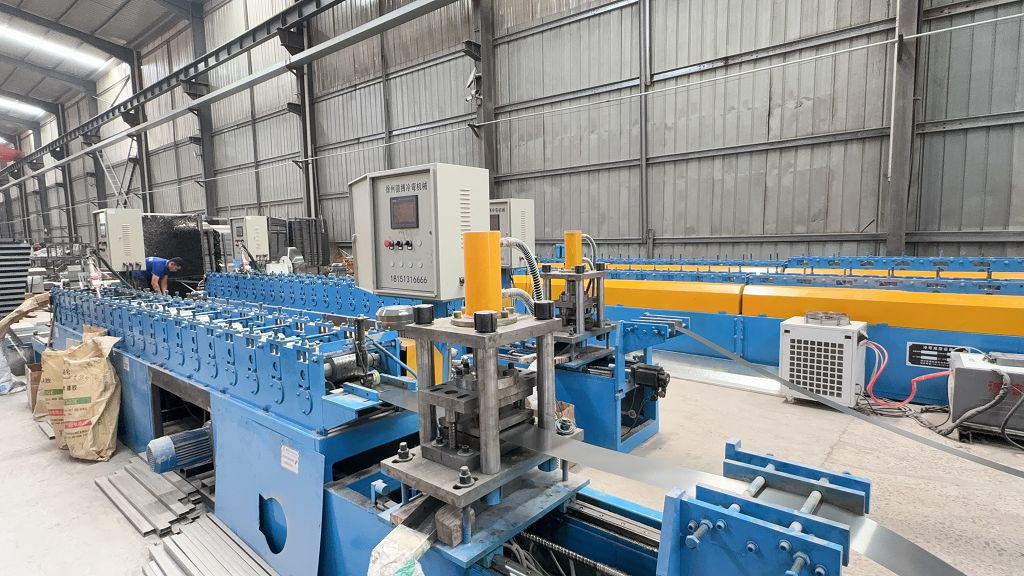
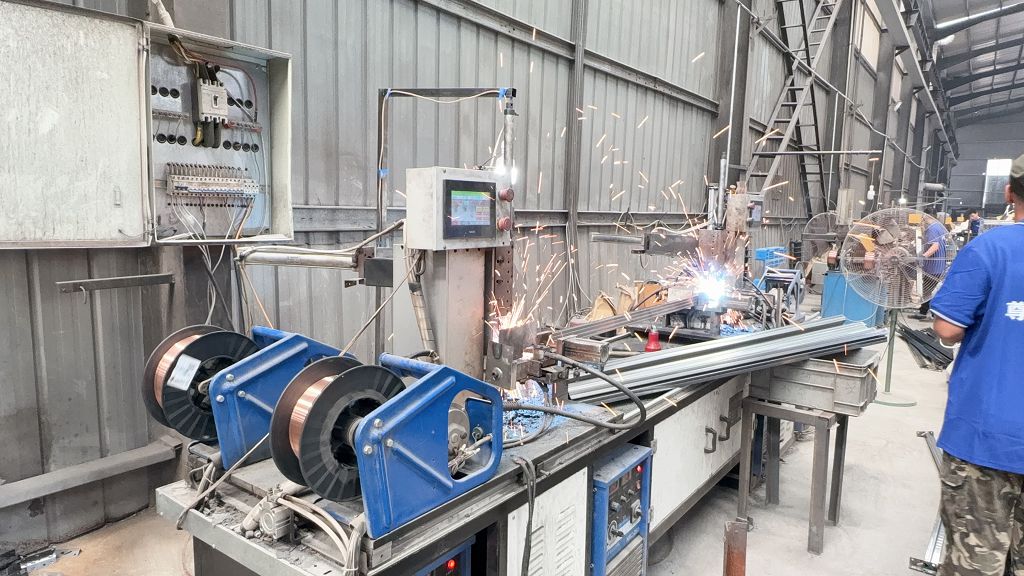
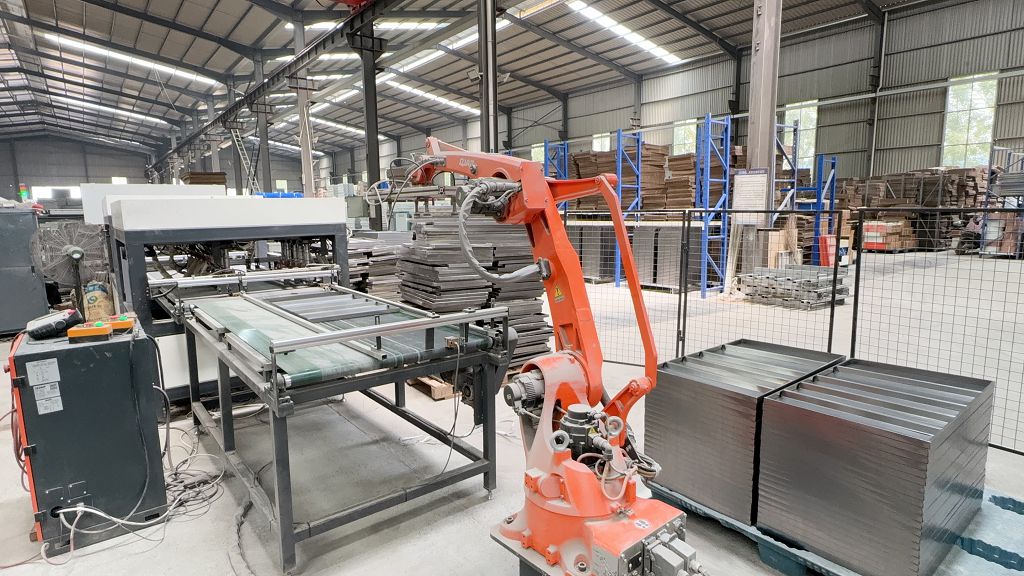
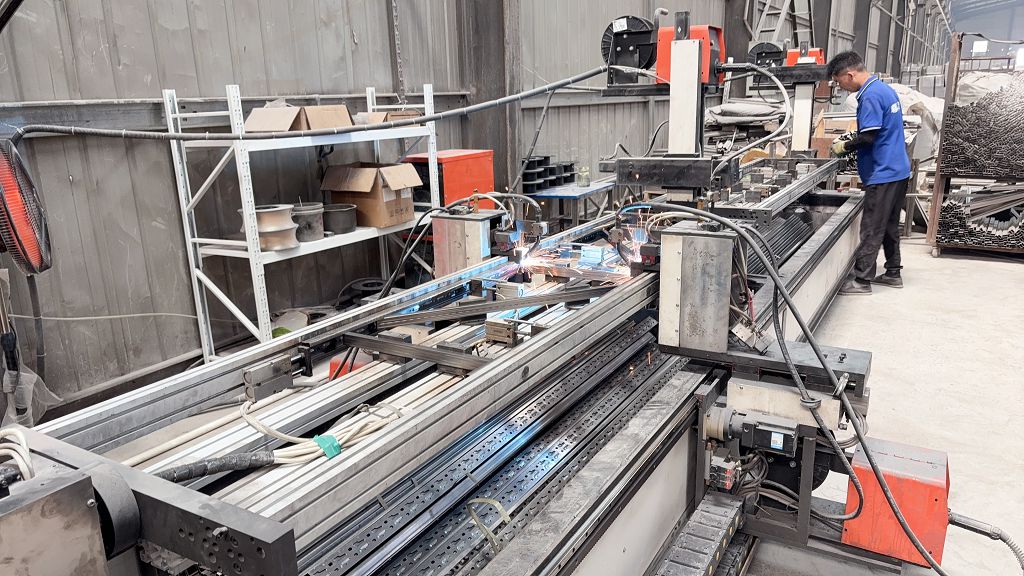
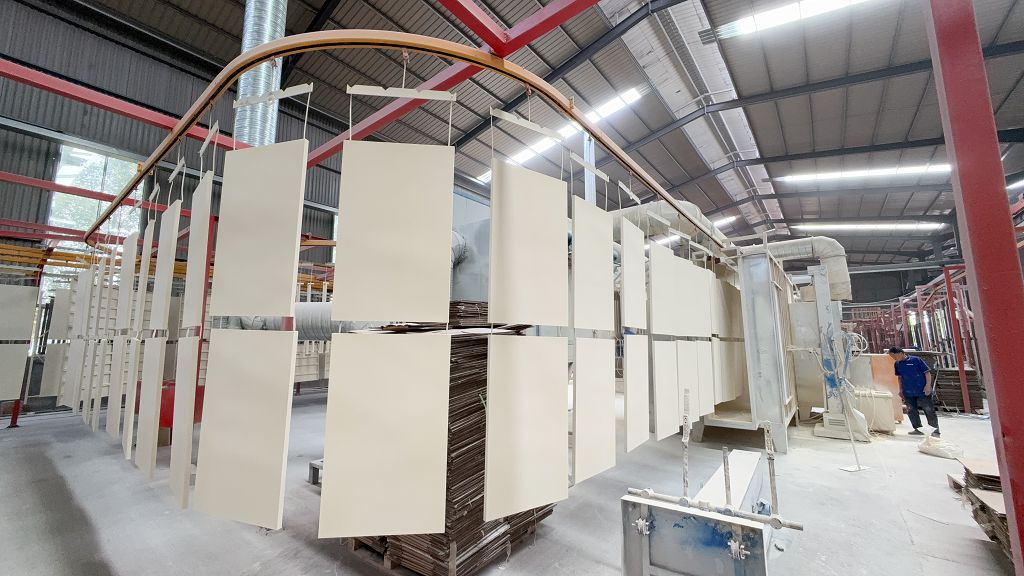
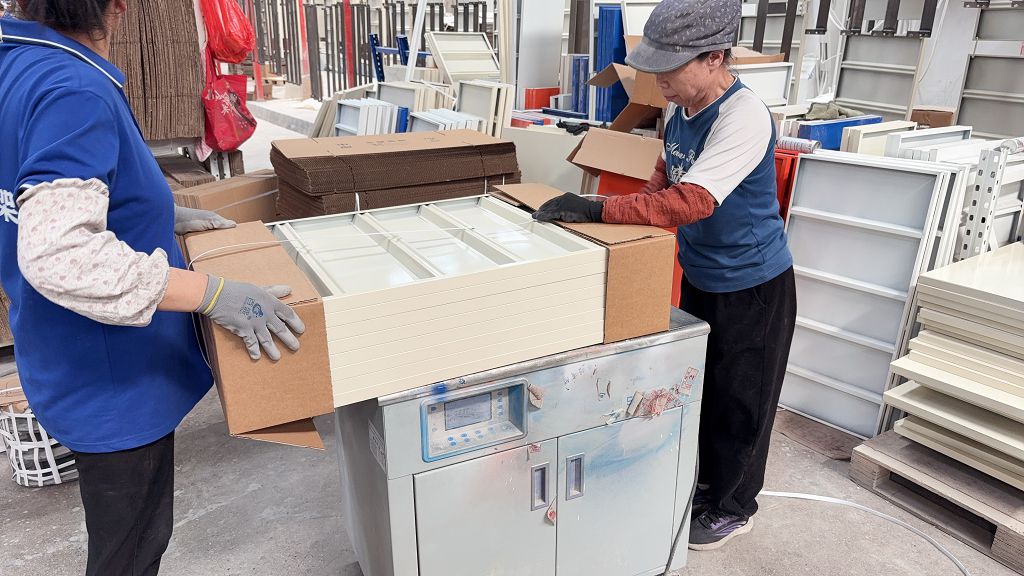
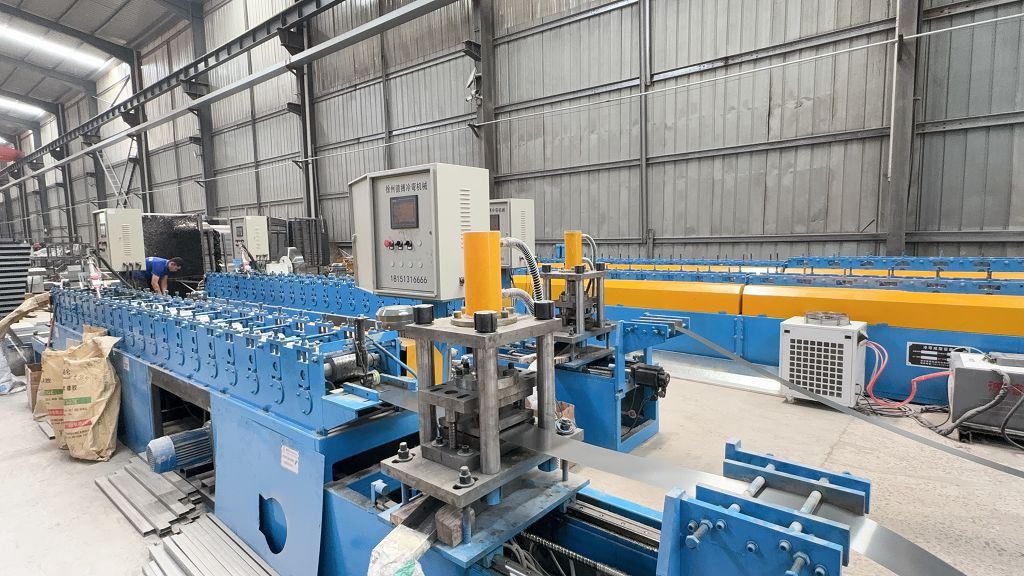
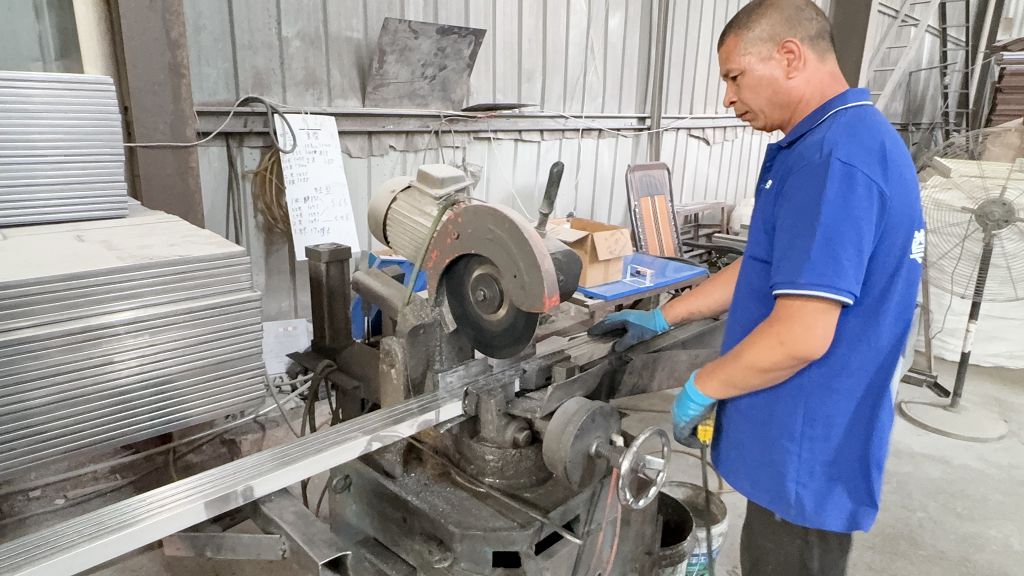
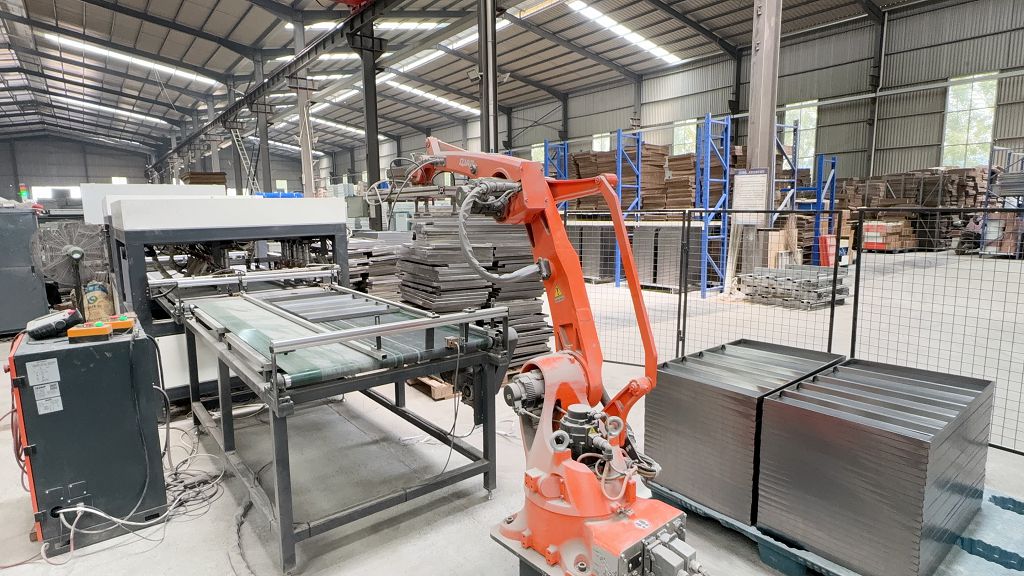
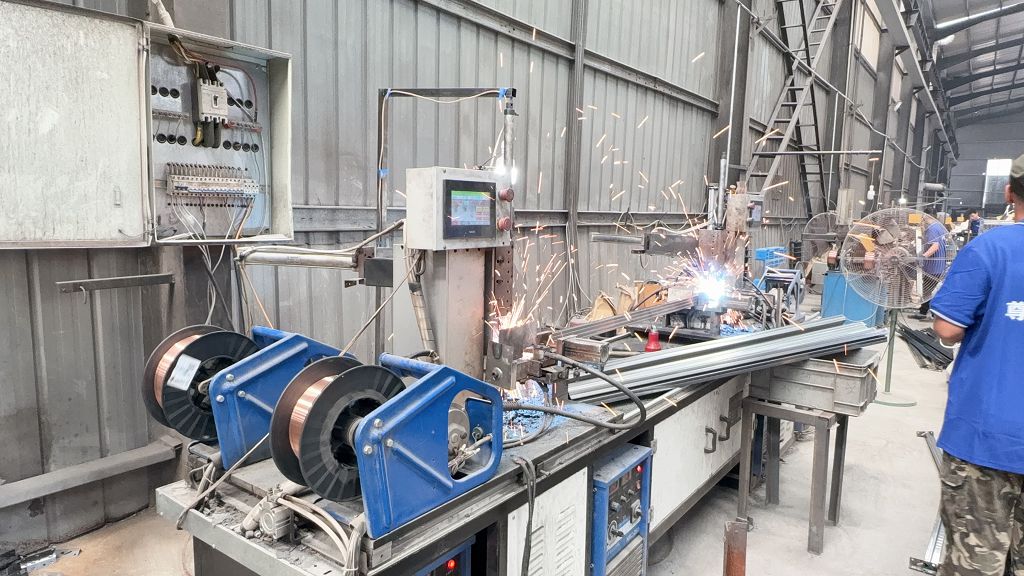
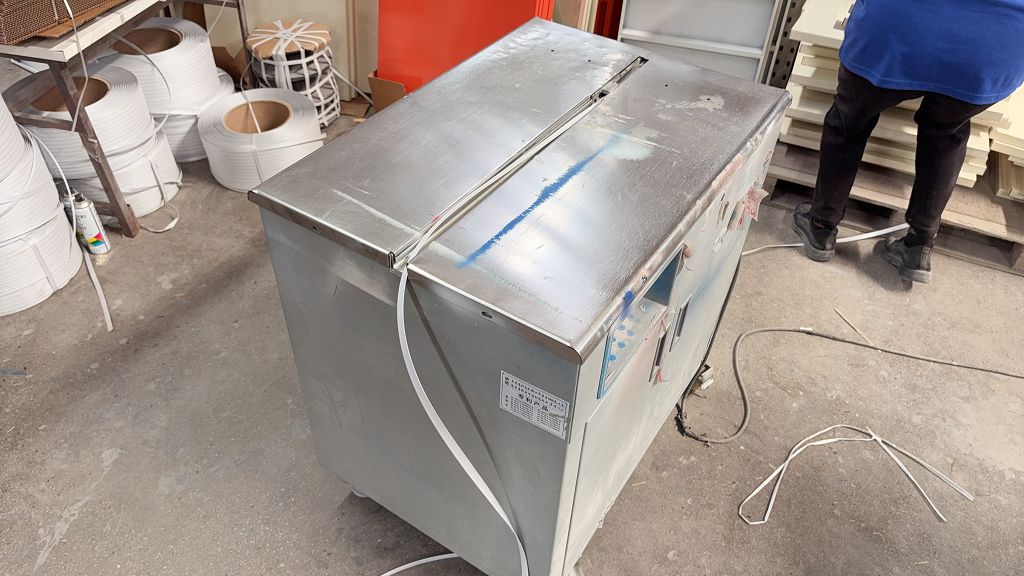
Inside China's advanced industrial racking factory: high-precision automated welding, coating, and quality control.
Nanjing Lush Rack Co., Ltd. is a leading manufacturer specializing in industrial storage racking systems and custom warehouse storage solutions. The company is dedicated to the research, design, production, and installation of a full range of warehouse racks and shelving systems. Their engineering team designs systems that optimize space utilization, material flow, and dynamic load requirements, providing stable infrastructure for modern logistics and supply chain operations.
Equipped with automated manufacturing lines, Nanjing Lush Rack manages every production step, including automated profile cutting, structural component welding, surface powder coating, and final packaging. Their engineering team works closely with clients to analyze load distributions and seismic load profiles, ensuring all systems meet or exceed international safety standards (such as EN 15512, RMI, and FEM standards).
Key design developments transforming safety and footprint utilization in modern manufacturing facilities.
Manufacturers are moving away from fixed shelving to slide-out drawer designs. These mechanism-driven configurations slide out smoothly under load, allowing overhead cranes to pick and place dies without forklift assistance, reducing the risk of structural damage.
To prevent center-of-gravity shifts, modern systems incorporate safety interlock mechanisms. These systems ensure only one drawer can be pulled out at a time, preventing structural tipping and protecting operators from accidental overbalances.
For smart factories, racking structures are designed to integrate directly with automatic stackers and crane systems. This interface reduces human error during mold changeovers and keeps inventory synchronized with manufacturing execution systems (MES).
Technical considerations for selecting, positioning, and anchoring heavy storage units in seismic zones.
When designing racking for heavy dies, engineers must account for both static loads and dynamic impact forces. For example, a crane lowering a 3,000 kg mold too quickly can temporarily double the force applied to the rack. Because of this, Nanjing Lush Rack designs structures with safety factors of 1.5 or greater.
Additionally, baseplates and anchor bolt selections are calculated based on floor bearing limits and local seismic requirements. Standard installations require expansion anchor bolts to secure upright frames, transferring overturning forces directly into the reinforced concrete slab.
Because mold cooling circuits often leak water, storage racks operate in humid environments. Nanjing Lush Rack applies a multi-stage finish to prevent corrosion:
Ensuring your warehouse installation meets international safety guidelines and localized structural codes.
Designed to meet North American specifications for design, testing, and utilization of industrial steel storage racks.
Calculated to meet European material handling guidelines, ensuring safe deflection margins and robust stability under load.
Engineered using limit state principles, incorporating factoring loads and structural testing to ensure safety.
From early-stage conceptual design and material yield calculations through manufacturing, logistics coordination, and installation guidance, Nanjing Lush Rack ensures compliance at every stage. Their structural documentation package includes calculations for dead loads, live loads, impact loads, and wind or seismic calculations tailored to local building codes.
Technical answers from our structural engineering and design team to help guide your system planning.
Additional Product Configurations by Nanjing Lush Rack Co., Ltd.

 Lush Rack