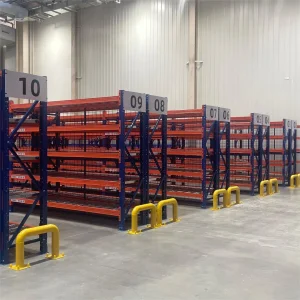
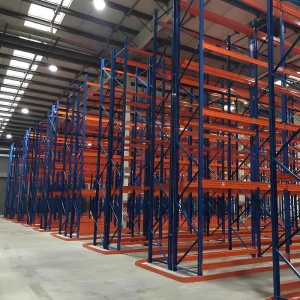
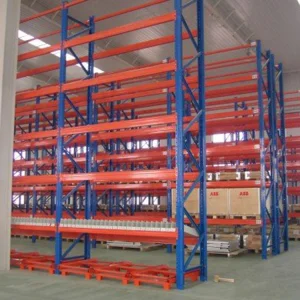
Modern supply chains demand unparalleled flexibility, absolute safety compliance, and optimal space utilization. Among various heavy-duty storage designs, the Tear Drop Pallet Racking configuration remains the undisputed industrial standard across North America and global logistics networks. Its name originates from the unique teardrop-shaped punch holes on the upright columns, allowing seamless, boltless interlocking between load-bearing beams and vertical frames.
This comprehensive technical guide dissects the critical variables of manufacturing quality, explores key sourcing metrics for international buyers, and details the industrial capabilities that position top-tier manufacturers as essential strategic partners.
The reliability of a teardrop racking system begins with chemical composition and structural steel quality. Premium factories rely heavily on high-tensile hot-rolled steel coils, such as SS400, Q235B, or Q355B, which are structurally equivalent to ASTM A36 and ASTM A1011 SS Grade 50. These materials deliver a high yield strength ceiling, preventing permanent deflection under maximum capacity loads.
Upright frames undergo precision roll-forming to produce structural profiles with multiple bends—typically 8 to 12 bends—increasing the load-bearing capacity without adding unnecessary weight. The standard vertical pitch is typically 2 inches (50.8 mm), giving warehousing planners the flexibility to adjust beam levels in increments to accommodate varying SKU heights.
A primary driver behind the global adoption of teardrop racks is their universal design compatibility. In typical logistics projects, warehouse operators often combine components from different suppliers. A high-quality factory guarantees that their teardrop holes are punched to precise tolerances, allowing their beams to fit securely into existing frames from other major brands. This standard interchangeability eliminates vendor lock-in and optimizes procurement costs during facility expansions.
Nanjing Lush Rack Co., Ltd. is a professional manufacturer specializing in industrial storage racking systems and warehouse storage solutions. The company is dedicated to the research, design, production, and installation of a full range of warehouse racks and shelving systems, providing efficient and reliable storage infrastructure for modern logistics and supply chain operations.
With strong engineering capabilities and advanced manufacturing equipment, Nanjing Lush Rack Co., Ltd. is able to deliver complete warehouse racking solutions from concept design and structural calculation to production, quality inspection, and installation guidance. Our engineering team works closely with clients to analyze warehouse space utilization, material flow, and load requirements, ensuring that each solution is safe, stable, and cost-effective.
The company maintains a strict quality control system throughout the production process, from raw material selection to final product inspection. All racking systems are designed and manufactured to meet international safety and durability standards, ensuring long service life and reliable performance even under heavy industrial use.
Nanjing Lush Rack Co., Ltd. has a skilled technical team and an experienced sales department that provides responsive communication and professional support. With stable production capacity and efficient supply chain management, we are capable of handling both standard orders and large-scale customized projects with consistent quality and on-time delivery.
Our products are widely used in industries such as logistics and distribution, e-commerce fulfillment centers, manufacturing, automotive parts storage, cold chain logistics, and retail warehousing. We have established a strong customer base across domestic markets in China, and our products are also exported to Southeast Asia, Europe, North America, and other international regions.
As a trusted partner in warehouse storage solutions, Nanjing Lush Rack Co., Ltd. is committed to delivering high-quality racking systems, innovative storage concepts, and long-term value for our customers. We continue to focus on improving warehouse efficiency, reducing operational costs, and supporting the development of modern intelligent logistics systems.
Our manufacturing plant features automated production lines, heavy-duty roll-forming machinery, and robotic welding stations to ensure precision across every component.
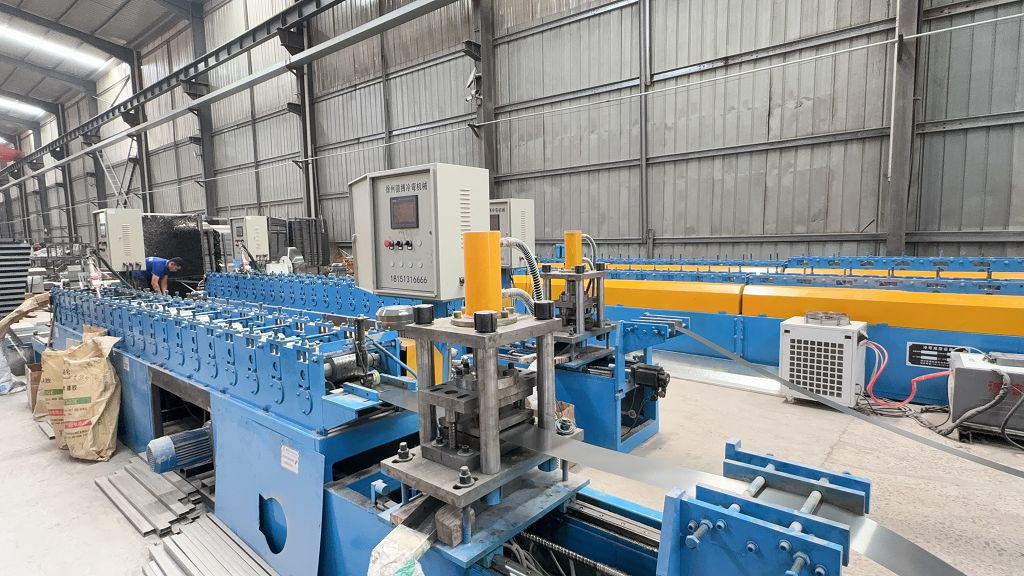
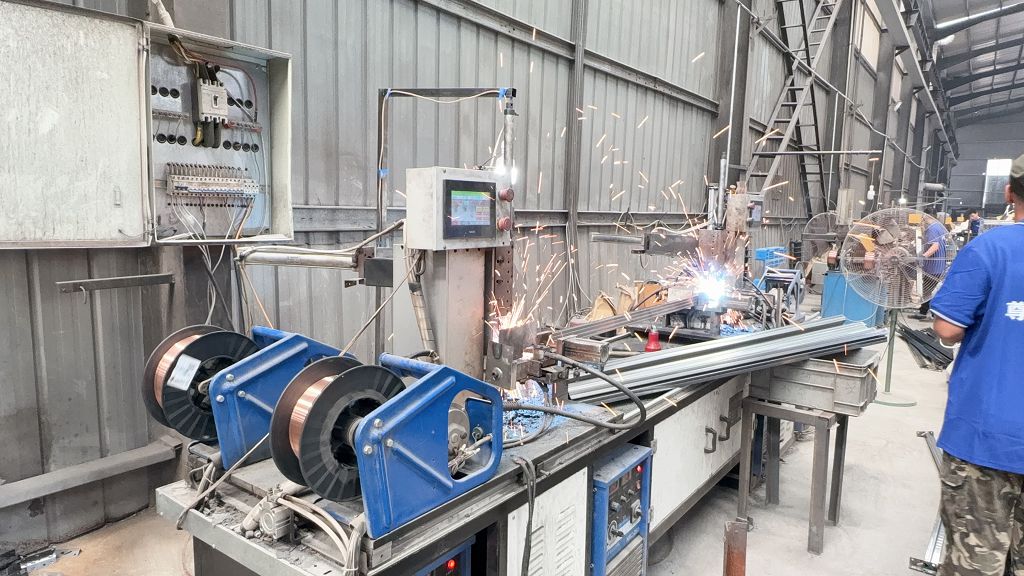
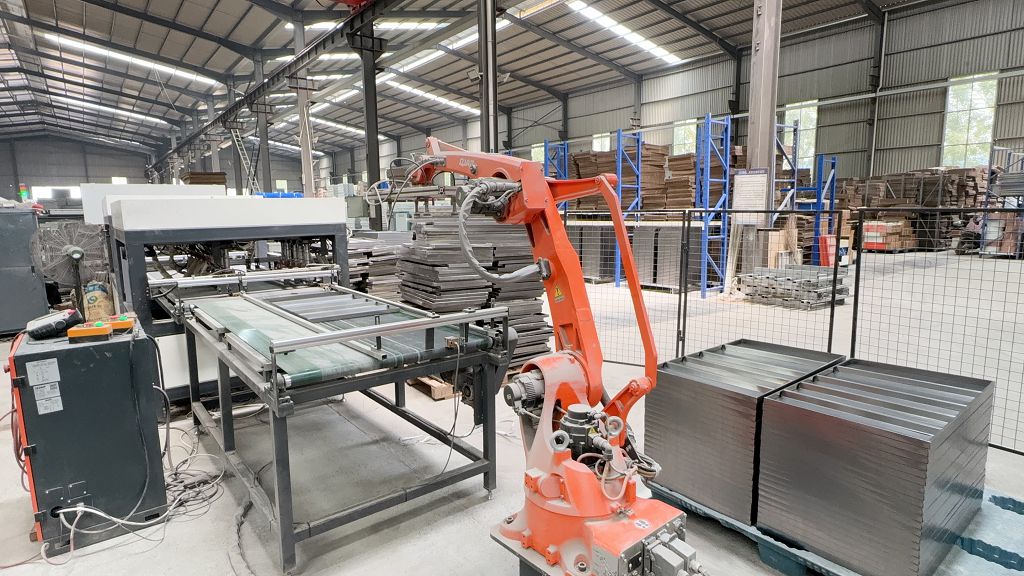
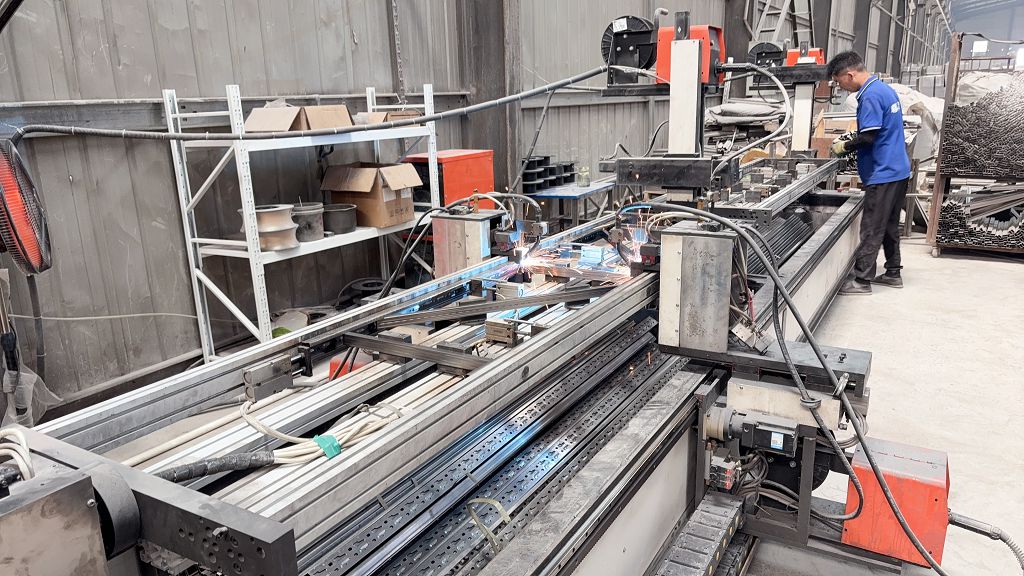
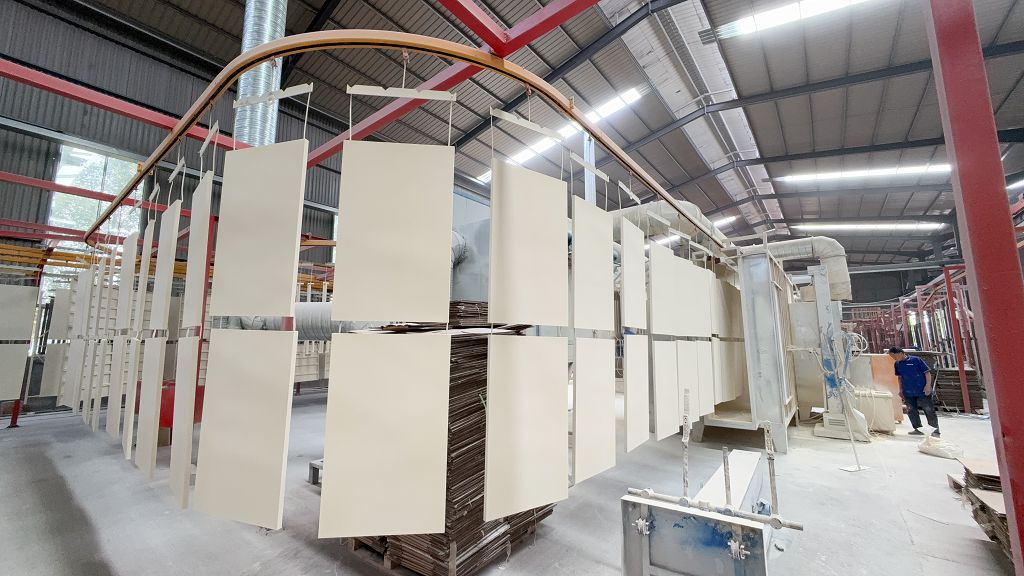
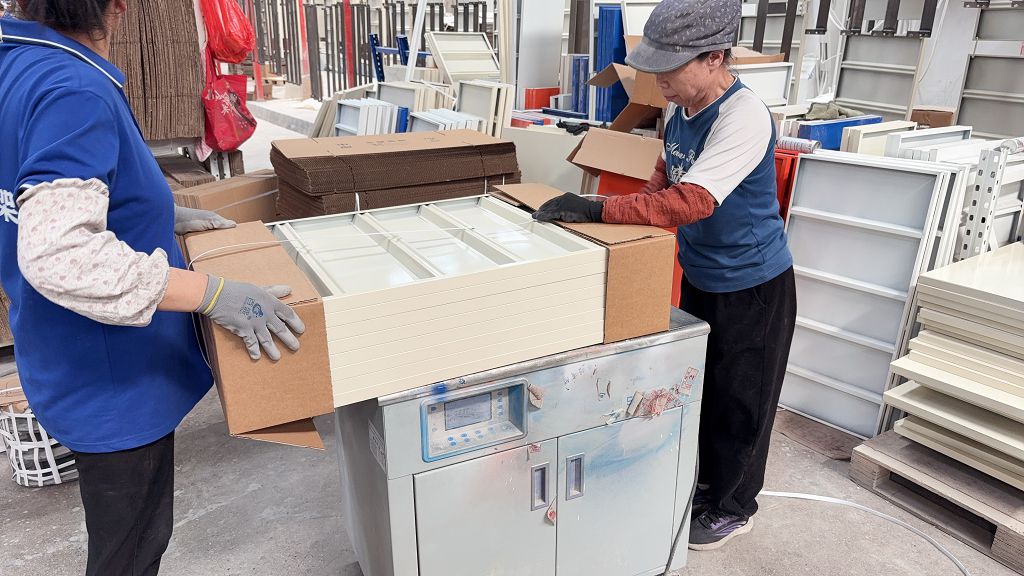
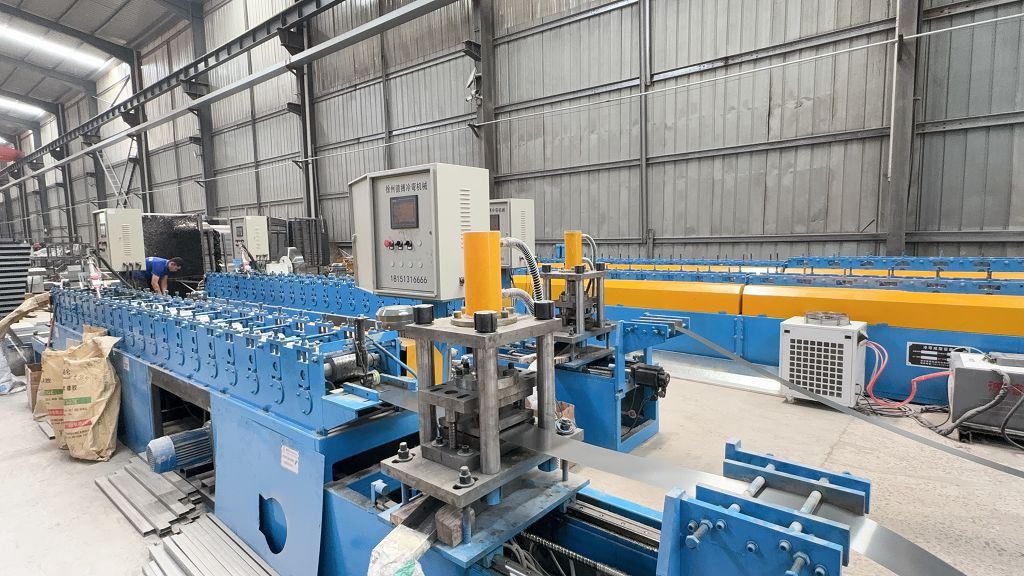
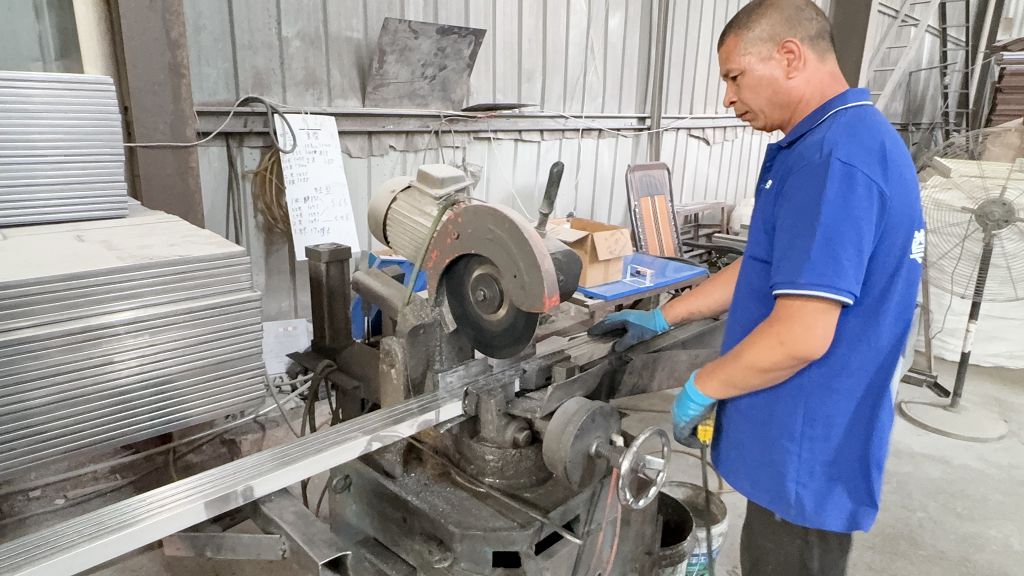
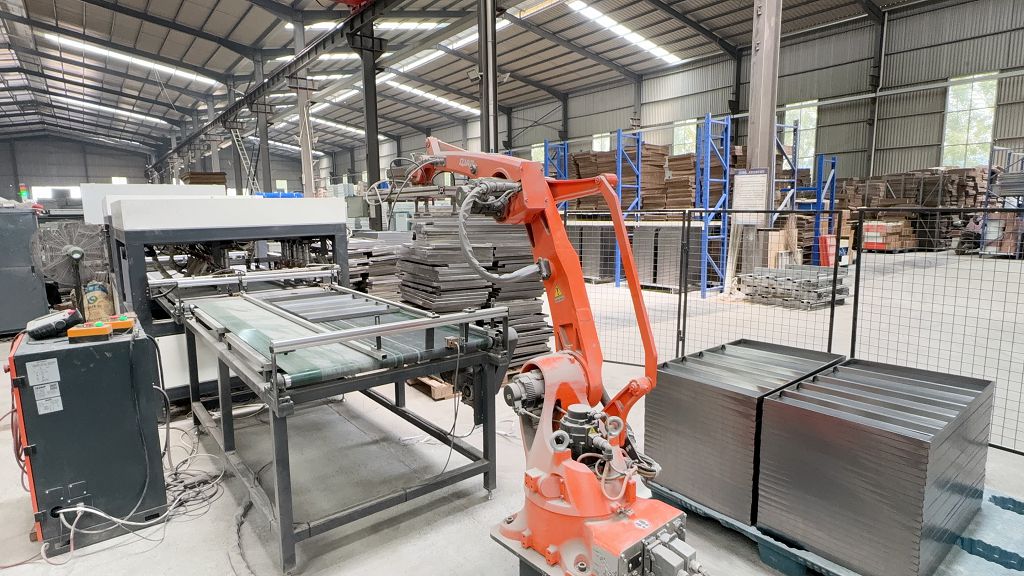
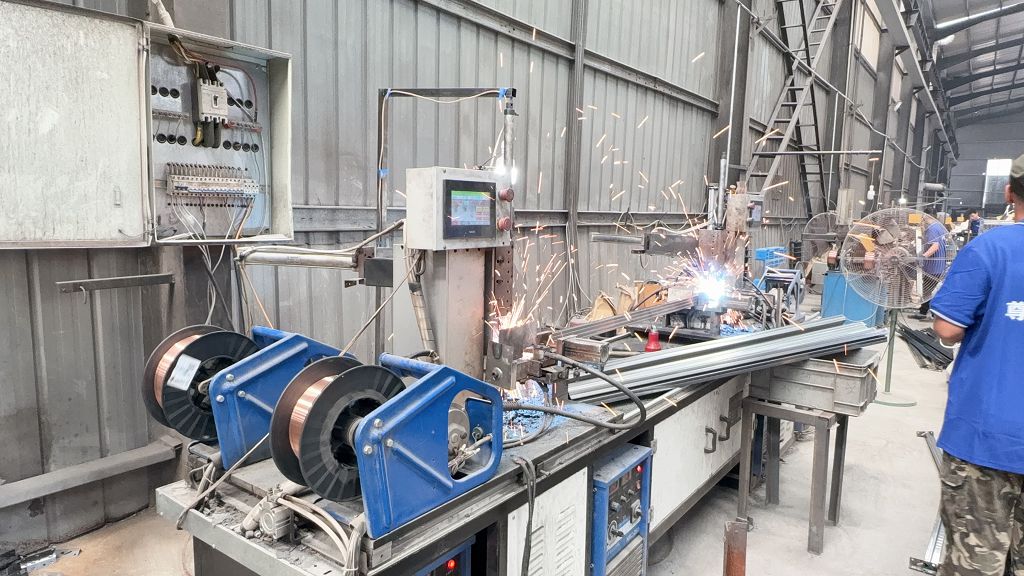
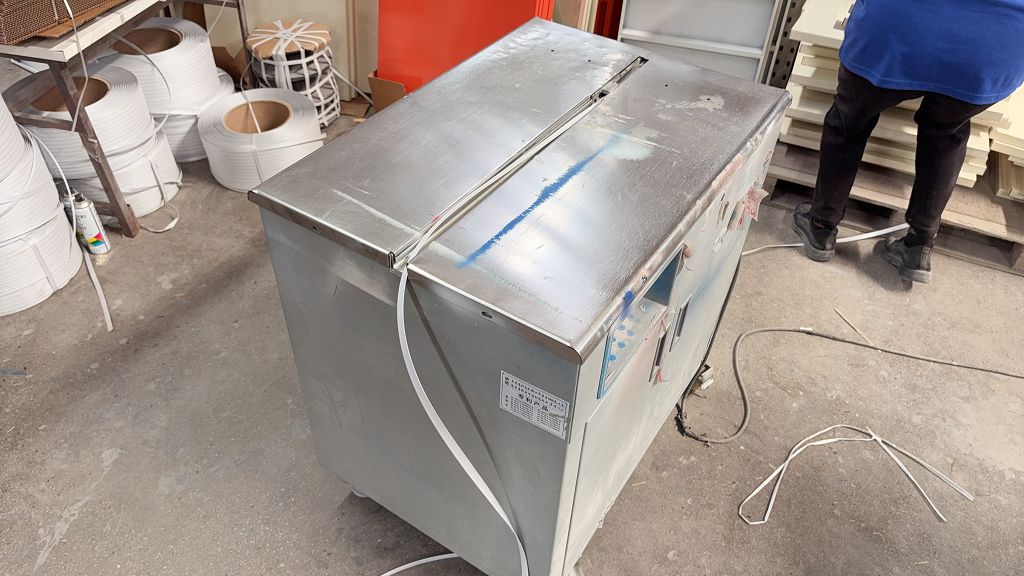
Procuring teardrop pallet racks from established Chinese factories offers significant strategic advantages for global businesses, including e-commerce platforms, 3PL providers, and industrial distributors:
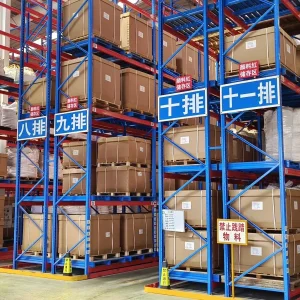
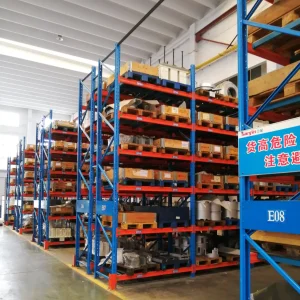
Industrial storage requirements vary widely based on product dimensions, throughput speed, environmental conditions, and handling machinery. Modern teardrop racking configurations are highly adaptable to several key operational environments:
Cold chain logistics demand materials that can withstand sub-zero temperatures without becoming brittle. Premium manufacturers process steel with specialized chemical compositions and coat them with low-temperature powder coatings to prevent corrosion and cracking. For e-commerce hubs, high-density selective systems and Pick Modules are designed to speed up single-item picking while maintaining full selectivity.
In regions where land costs are high, warehouses maximize vertical space by narrowing forklift aisles. By pairing teardrop frames with heavy-duty structural guide rails, VNA systems allow reach trucks to operate safely in aisles as narrow as 5.5 feet, increasing overall storage density by up to 50% compared to standard configurations.
Modern racking installations are complex structural setups. Under the Rack Manufacturers Institute (RMI) MH16.1 specification, manufacturers must verify their structural integrity using Finite Element Analysis (FEA). This process evaluates how the system responds to dynamic stresses, forklift impacts, and seismic forces.
For installations in active seismic zones (such as parts of North and South America), upright columns are engineered with larger, thicker baseplates (footplates) and heavy-duty floor anchor bolts. These components are designed to transfer seismic energy directly to the concrete slab, reducing the risk of structural collapse and helping operators meet local building code requirements.
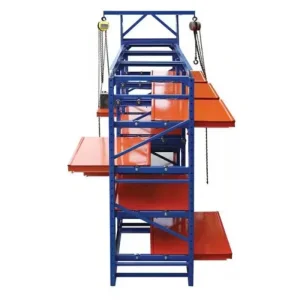
 Lush Rack