In the era of hyper-speed commerce and global distribution networks, high-density warehousing has shifted from a physical footprint challenge to a critical point of competitive advantage. Modern logistics operations demand sophisticated Order Picking Racks designed to maximize volumetric efficiency, ensure structural safety under high loads, and streamline the picking process. As a premier hub for structural manufacturing, China’s industrial fabricator landscape has evolved to deliver precision-engineered, heavy-duty racking systems that balance load dynamics, spatial utilization, and cost efficiency.
Selecting the right order picking racking systems involves analyzing spatial layouts, load distribution mechanics, picking speeds (whether manual or automated), and overall durability. Modern racking is no longer a static steel structure; it is the skeleton of dynamic logistics ecosystems, interfacing directly with manual operators, forklifts, conveyors, and automated guided vehicles (AGVs). This comprehensive guide explores structural rack physics, China’s production advantages, and Nanjing Lush Rack Co., Ltd.’s role in fabricating world-class storage solutions.
Explore our premium product portfolio designed for warehouses, distribution facilities, and specialized retail and workshop environments.
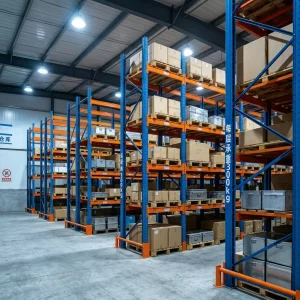
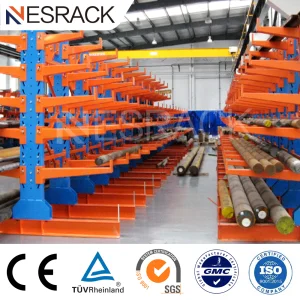

The global industrial footprint is undergoing a profound structural transition. The surge in e-commerce fulfillment centers, together with the rise of multi-channel manufacturing distribution, has rendered traditional static shelving frameworks insufficient. Today, order picking racks must fulfill two simultaneous requirements: **high static structural loading capacities** and **high mechanical picking performance**.
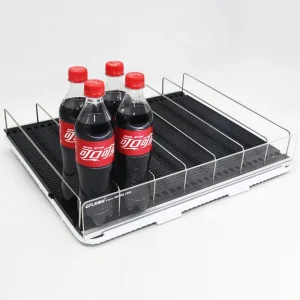
Historically, warehouses functioned as storage vaults where pallets were placed for months at a time. The modern facility, however, acts as a high-velocity processing terminal. Picking operations represent up to 55% of total warehousing operating costs. Consequently, the configuration of warehouse racks directly determines the profitability of a business. Dynamic picking setups, such as *Gravity Flow Racking* and *Narrow Aisle Systems (VNA)*, utilize incline rolling systems and optimized physical layouts to reduce transit times and minimize worker fatigue. In contrast, heavy-duty modular racking provides the stability required to safely hold bulk quantities of diverse inventory items.
Engineering stability is paramount when racking structures are loaded near ceiling heights. Nanjing Lush Rack Co., Ltd. builds racking systems using **high-strength Q235B steel**. This material provides an optimal yield strength-to-cost ratio, allowing it to withstand major static forces and dynamic loading cycles without structural fatigue. The thickness, roll-formed profile geometry, and column slot dimensions are calculated to reduce deflection ratios below L/240 (where deflection represents less than 1/240th of the span length), complying with key European (FEM) and American (RMI) standards.
To resist corrosive environments—particularly in cold-chain food storage facilities—the structural steel undergoes multi-stage surface treatments. This process includes chemical cleaning, phosphating, and electrostatic powder-deposition coating, which is then cured at temperatures over 180°C. This industrial finish prevents rust and ensures resilience against repeated impacts from forklift operations, heavy pallets, and manual handling equipment.
As a leading developer in industrial storage systems, Nanjing Lush Rack Co., Ltd. maintains advanced manufacturing processes that ensure product quality at scale. Our production lines use specialized cutting, welding, and finish-coating equipment. Integrating automatic cutting and welding machinery ensures that every vertical upright, crossbeam, and diagonal bracing element meets tight dimensional tolerances. This precision prevents structural misalignment during assembly and keeps load distributions uniform across the entire racking structure.
Quality control begins at the raw material phase, with verified mill certificates for all incoming steel. It extends through precision processing stages and into protective packaging, ensuring that products arrive at international project sites ready for installation.
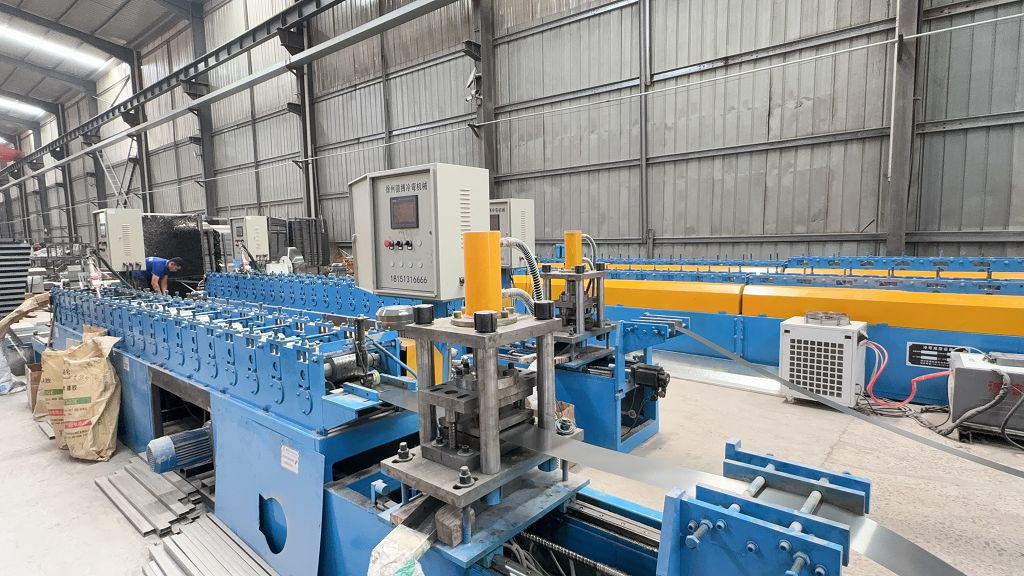
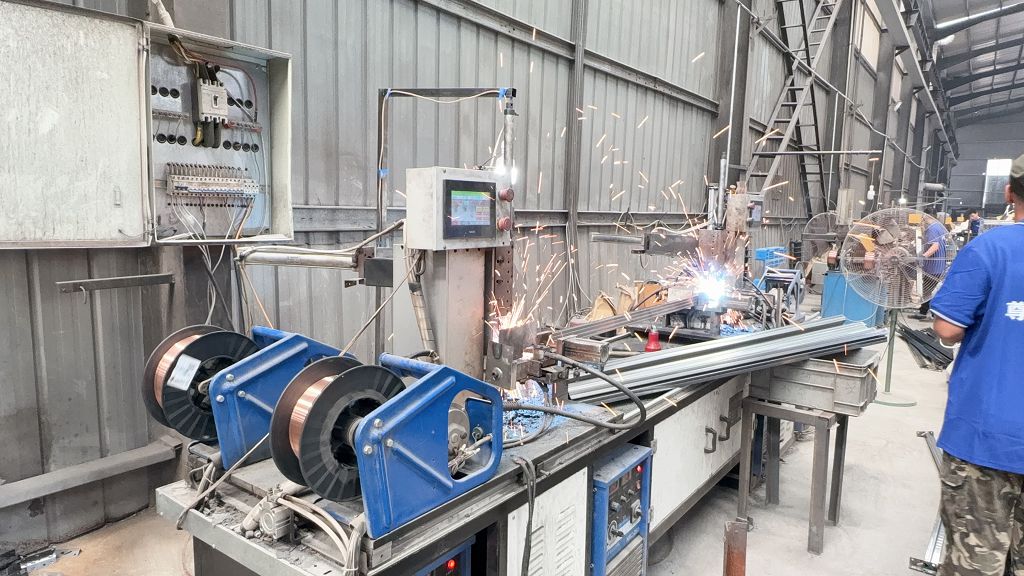
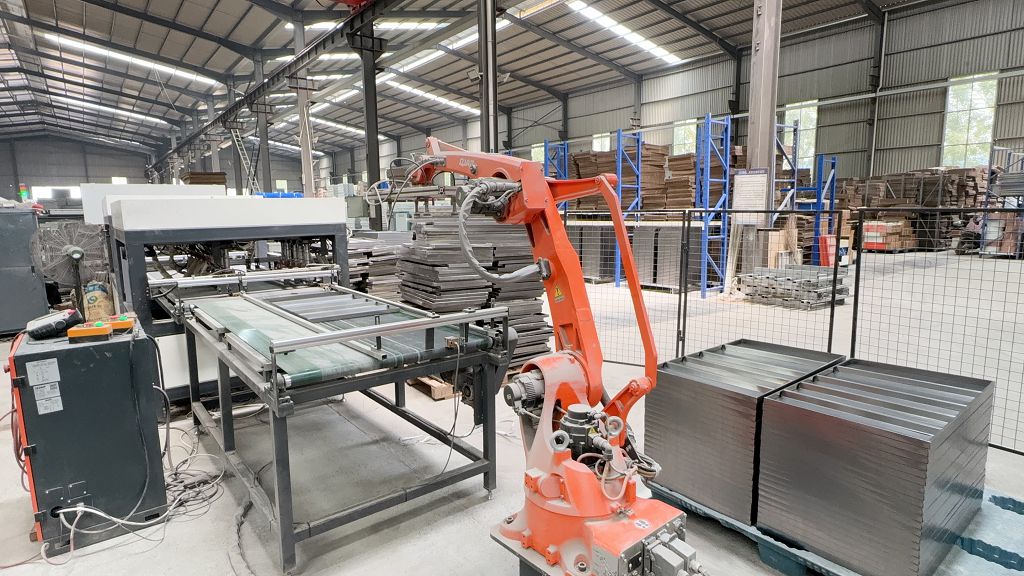
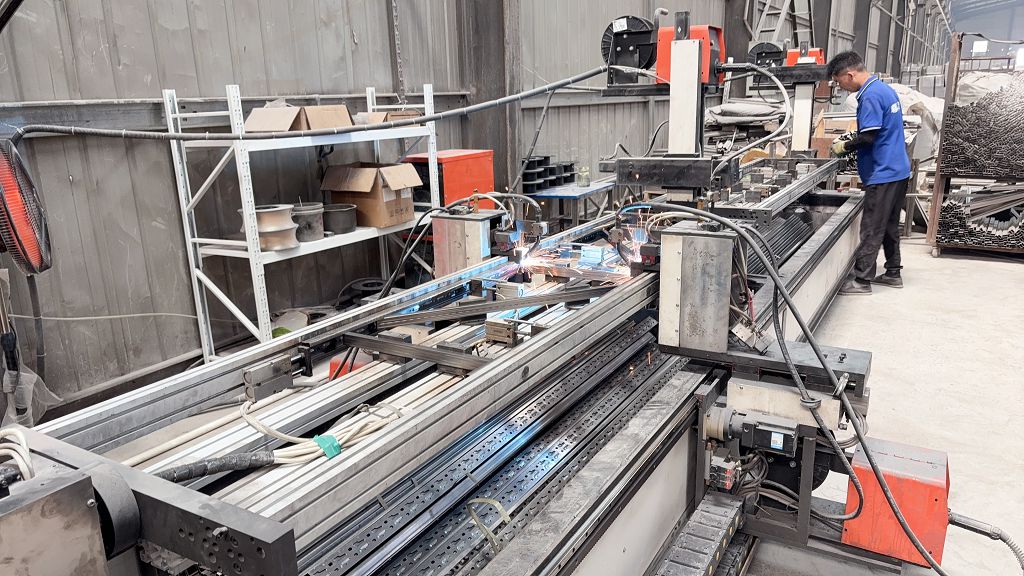
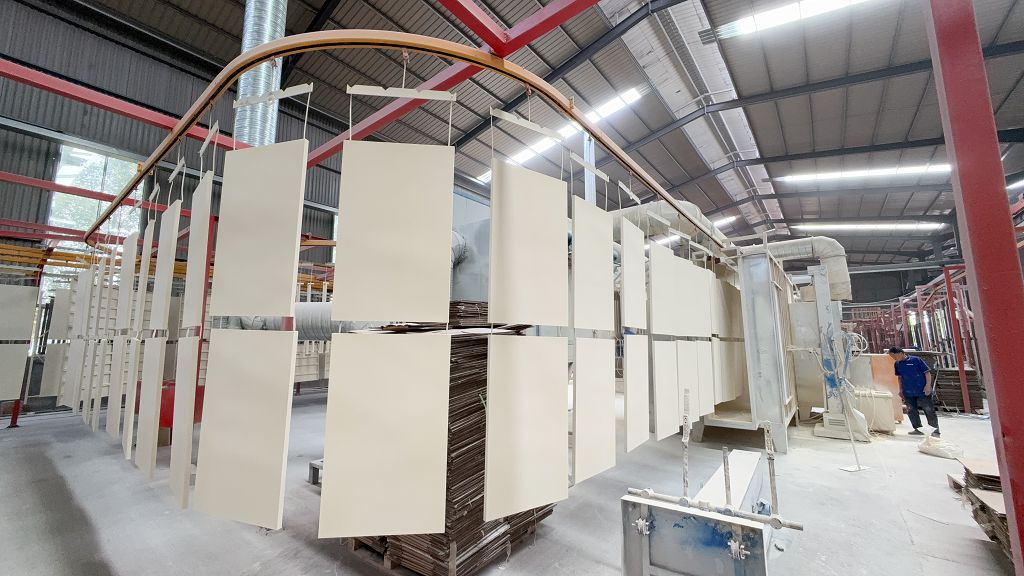
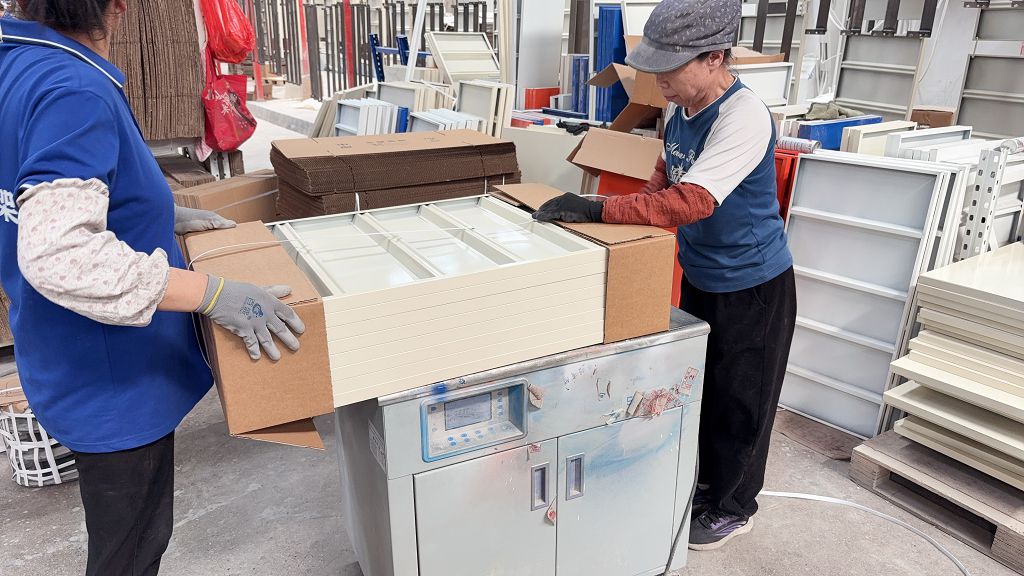
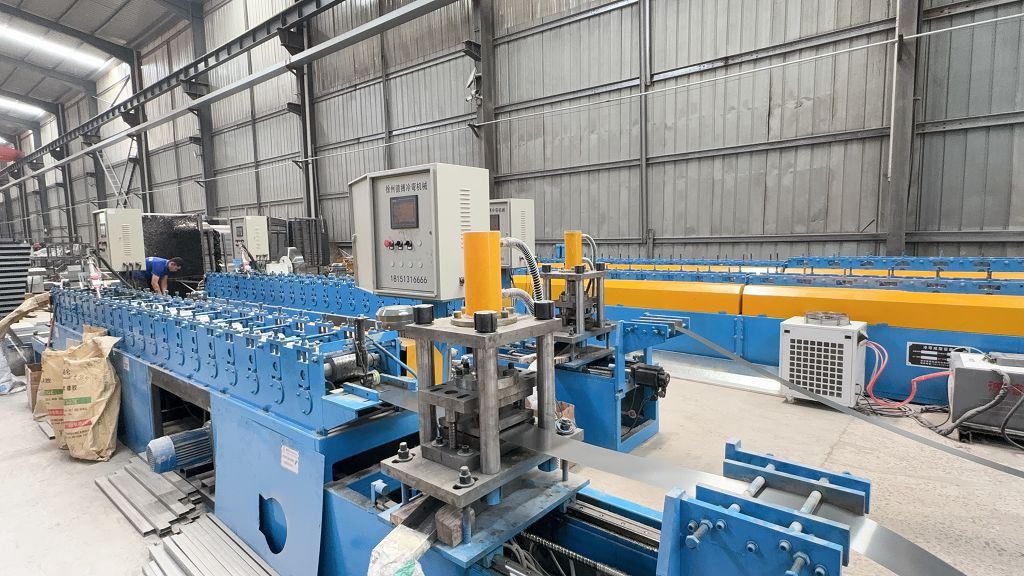
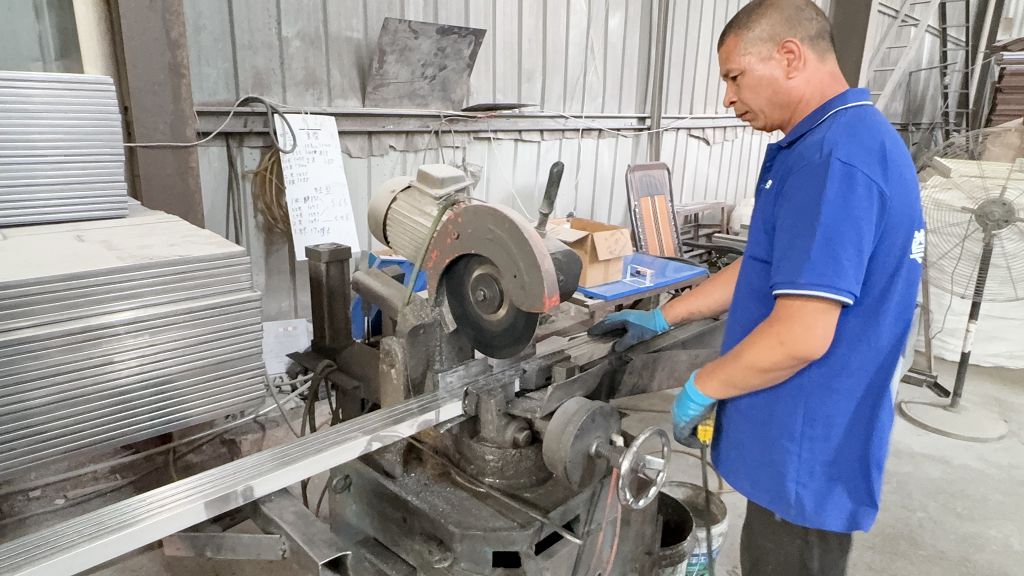
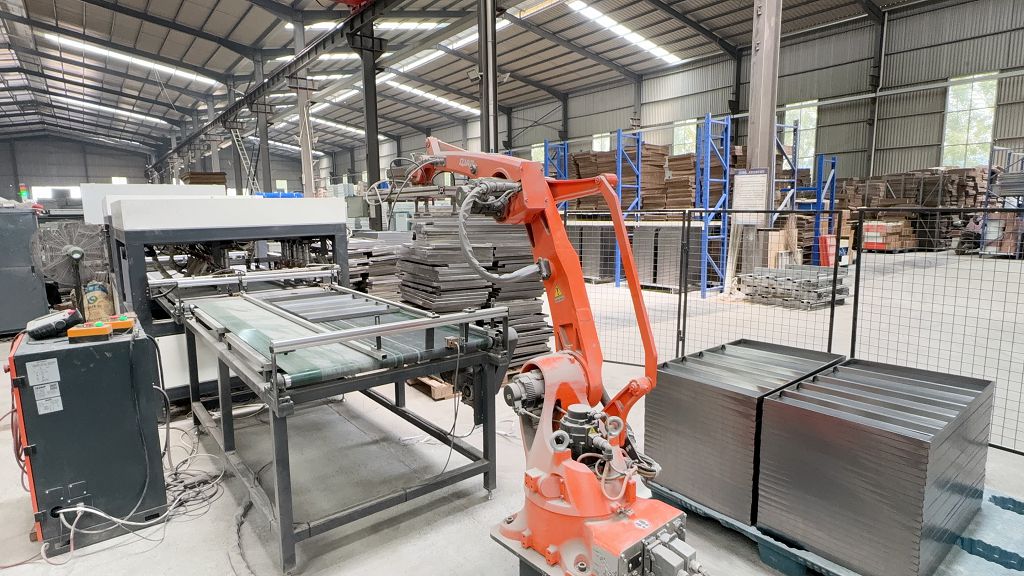
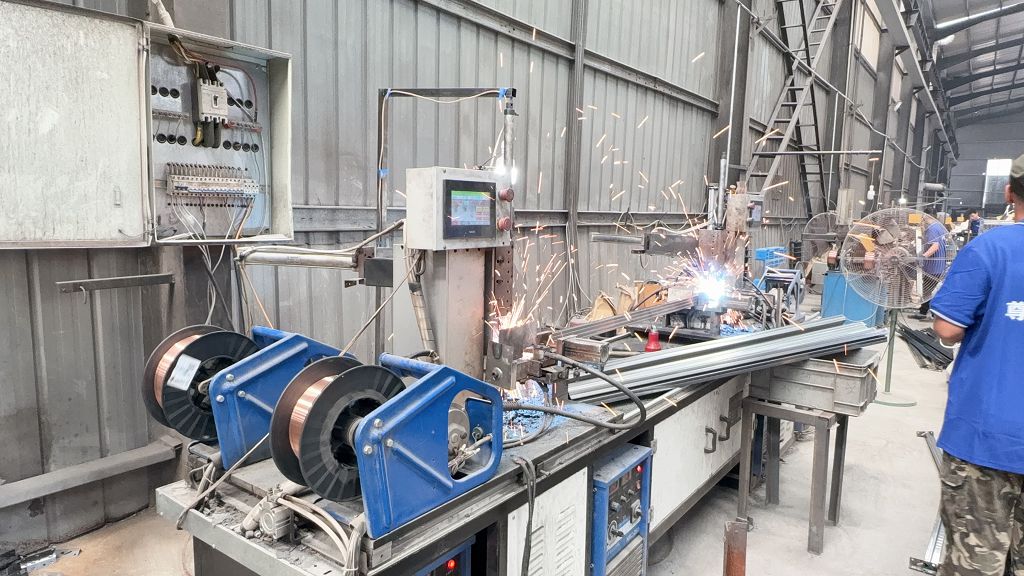
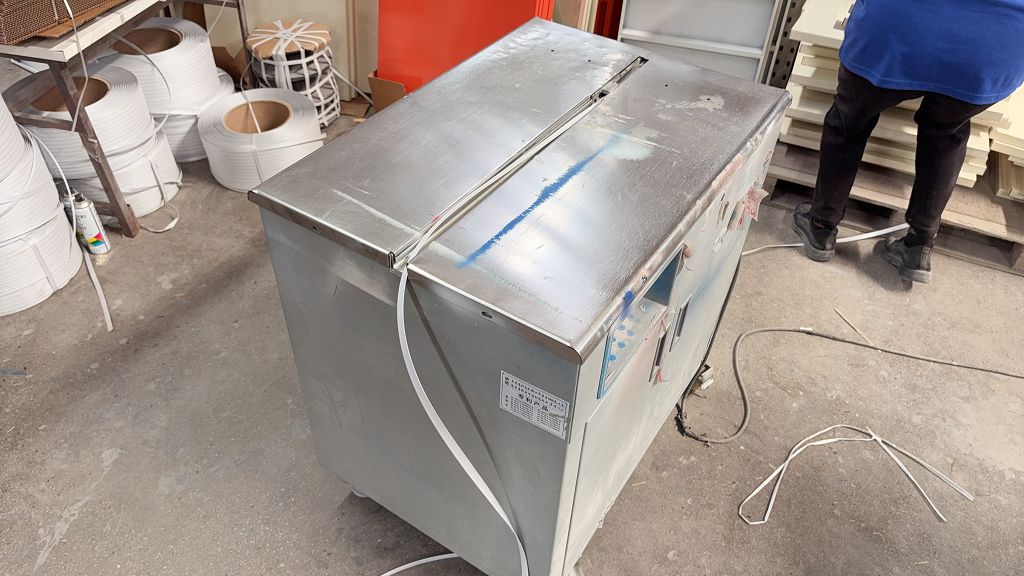
Different industries and locations require distinct racking features to ensure safety and performance. Standard static racking configurations rarely suit modern multi-channel logistics facilities. We design and deliver customized racking systems to meet specific industry demands worldwide.
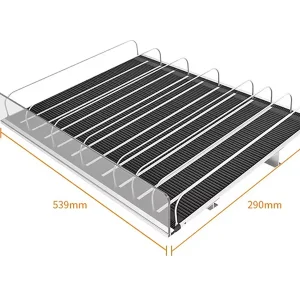
Designed for fast-moving consumer goods and multi-item orders. Features include narrow-aisle VNA structures and integrated gravity-fed roller systems to speed up carton and item access.
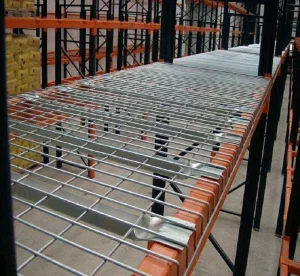
Requires optimal air circulation and rust resistance. Utilizes galvanized steel components and wire mesh decks to maintain structural integrity in sub-zero temperatures.
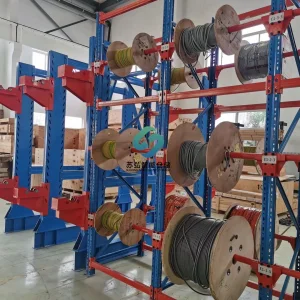
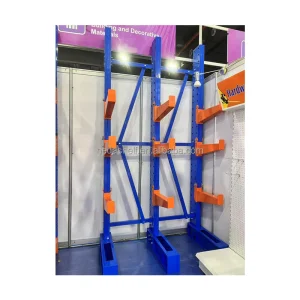
Heavy-duty, high-load structures designed for heavy molds, machinery parts, raw materials, and coiled metal rolls. Often incorporates specialized cantilever supports and reinforced beams.
Industrial storage configurations must satisfy specific regional building codes and safety regulations. In earthquake-prone areas such as the western United States, parts of South America, and Italy, racking installations require custom structural calculations. Nanjing Lush Rack's engineering team designs baseplate sizes, heavy-duty floor anchor systems, and custom vertical bracing to manage dynamic loads during seismic events.
In Europe, compliance with **EN 15512** and **FEM 10.2.02** standards is critical. These codes define the testing methods for structural steel profiles under axial load, bending, and torsional stress. In North America, the **Rack Manufacturers Institute (RMI)** sets structural design requirements. Our engineers provide load-rating plaques, layout plans, and calculated deflection data, giving supply chain managers peace of mind and supporting local building permit approvals.
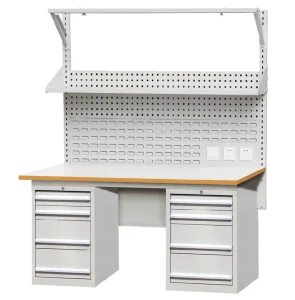
Explore our heavy-duty industrial shelving, warehouse pallet systems, and specialized workstations designed for performance and reliability.
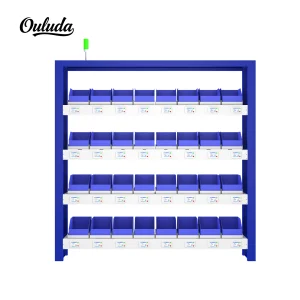
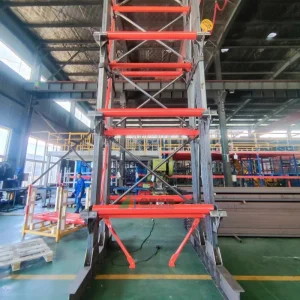
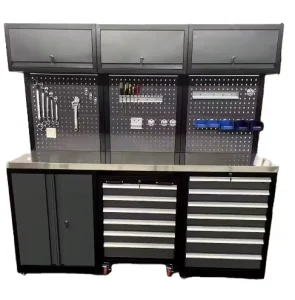
Industrial racking represents a significant, long-term capital investment. Procuring systems with inadequate structural capacities can lead to system failures, product damage, or safety risks. Key parameters should be thoroughly evaluated during the procurement process:
Select racking configurations based on two primary metrics: **Uniformly Distributed Load (UDL)** and **Point Load**. Specifying a 300kg-800kg load capacity per level requires that the load is distributed evenly across the shelf deck. If concentrated point loads exist, such as with heavy machinery parts or metal molds, specify reinforced crossbeams and thicker wire mesh decks or solid steel panels to prevent localized structural deflection.
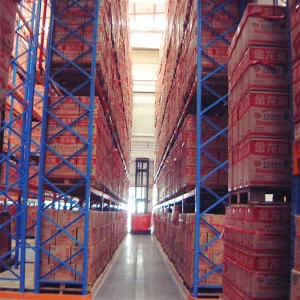
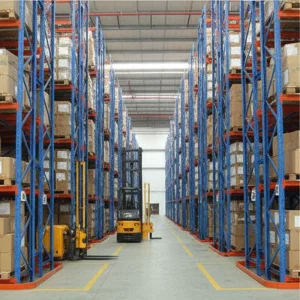
Aisle widths directly influence overall storage density. Selective racking systems typically require aisle widths of 3.2 to 3.8 meters to accommodate standard counterbalanced forklifts. For facilities looking to optimize space, Very Narrow Aisle (VNA) systems reduce required widths to 1.6 to 1.8 meters, which can increase storage density by up to 50%. These layouts must be coordinated with the lift heights and navigation mechanisms of specialized forklift trucks or automated warehouse equipment.
Ensure racking heights, beam configurations, and baseplates are fully compatible with your existing warehouse equipment, including reach trucks, order pickers, and automated systems. Providing structural data, pallet dimensions, and operational space layouts helps ensure that the final racking layout matches your material handling workflows.
Answers to common questions regarding structural engineering, customization, logistics standards, and installation.
 Lush Rack