Warehouse pallet racks play a crucial role in storage efficiency. However, incidents of collapse can occur unexpectedly. This leads many to ponder, "Why do warehouse pallet racks collapse unexpectedly?". Analyzing the factors behind such occurrences is essential for safety and operational integrity.
One major reason for collapses is improper installation. Racks must be securely anchored and leveled. If not, they become unstable. Overloading is another frequent culprit. Each rack has a weight limit that should not be exceeded. Failing to follow these specifications can lead to disaster.
It is also important to consider environmental factors. Excessive vibrations, poor lighting, or inadequate aisle space can contribute to accidents. Regular inspections and maintenance are often overlooked. These are critical to identifying potential weaknesses. Understanding these causes is not just about preventing damage but also about ensuring worker safety. Reflecting on these aspects can help warehouses improve their systems effectively.
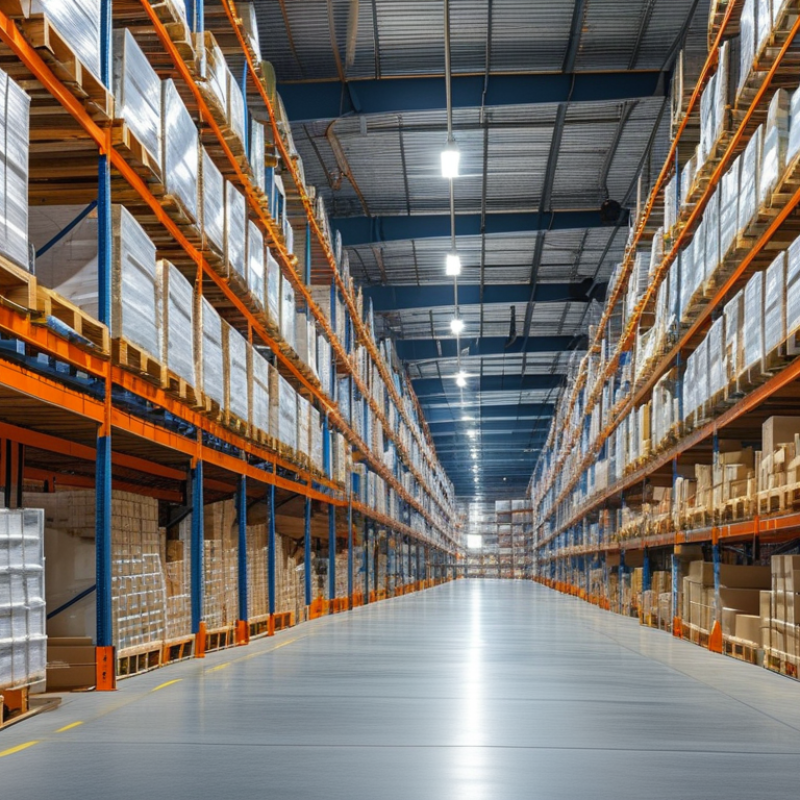
Warehouse pallet racks are vital for efficient storage. Yet, they can fail unexpectedly, leading to significant losses. Understanding the reasons behind pallet rack failures is crucial for safety and efficiency in any warehouse.
One common issue is improper installation. If racks are not anchored securely, they can tip over. Additionally, overloading racks is a frequent mistake. Each rack has a maximum weight limit, and exceeding this can lead to collapse. Regular inspections are essential. Damage from forklifts can weaken the structure without immediate signs.
Another factor is environmental conditions. Humidity and temperature fluctuations can affect the integrity of the materials. For example, metal racks can corrode in humid environments. Training employees to handle equipment properly can mitigate many risks. Adequate training fosters a culture of safety. Failing to prioritize this aspect can lead to hazardous working conditions. Each warehouse should continually assess its setup and encourage improvements.
This chart illustrates the common reasons for warehouse pallet rack failures, showcasing the frequency of each issue based on recent analyses.
Structural design flaws in pallet racks can lead to catastrophic failures. It's crucial to analyze load distribution when designing these systems. Uneven weight distribution can compromise stability. Too often, racks are overloaded. Imagine a scenario where one side bears excessive weight while the other remains light. This imbalance creates significant stress on the structure.
Engineers and designers must understand load limits. Each rack has a specified capacity, and exceeding it can be disastrous. Even minor miscalculations in weight distribution can lead to rack collapse. Many incidents stem from neglecting proper guidelines. For instance, not evenly distributing goods can lead to dangerous tipping.
Regular inspections and adjustments are vital for safety. A proactive approach can prevent accidents. However, facilities sometimes overlook these checks, assuming everything is fine. Maintenance records can be sketchy, and that too is a reflection of potential risk. Knowledge of structural integrity is often lacking, leading to preventable failures. Organizations must prioritize education on proper weight management for staff.
Improper installation practices can severely affect warehouse pallet rack stability. According to a 2022 industry report, approximately 40% of rack collapses are due to incorrect setup. It’s critical to ensure that each rack is anchored properly. When racks wobble, they not only jeopardize inventory but also pose serious safety hazards.
Recent studies indicate that nearly 75% of warehouse accidents stem from inadequate training in installation procedures. If workers lack proper techniques, rack systems become unstable. Consider the consequences of ignoring guidelines: even minor misalignments can lead to catastrophic failures. These risks are especially heightened in high-traffic areas where equipment and personnel interact closely.
Experts emphasize the importance of regular inspections and maintenance. Rack systems should be evaluated periodically to identify potential issues. Furthermore, workers must be trained rigorously to understand load capacities and proper configuration. Without this knowledge, the risk of rack collapse increases significantly. The warehouse environment requires vigilance, and it is crucial to foster a culture of safety and responsibility.
Overloading plays a significant role in warehouse rack collapse incidents. Many warehouses face pressure to maximize storage space. This pressure often leads to improper loading of pallet racks. Staff may place too much weight on a single rack, exceeding its designed capacity. This decision can have disastrous outcomes, including structural failure and product loss.
In many cases, employees are not properly trained to assess load limits. They may overlook or underestimate the weight of goods. Additionally, neglected maintenance can exacerbate the risks. Regular inspections are crucial for detecting signs of wear and tear. A lack of attention to these details can lead to tragic accidents.
Even well-designed racks have their limits. A seemingly minor overload can trigger a chain reaction. This instability can cause not just one but multiple levels of racks to collapse. The aftermath often involves not only financial losses but also serious injuries. Reflecting on past incidents may help improve future safety protocols and training. A proactive mindset must replace a reactive one in warehouse management.
Warehouse pallet racks are vital for efficient storage. Yet, they can collapse unexpectedly due to various environmental factors. A recent study revealed that nearly 40% of rack failures are linked to environmental conditions. Factors like temperature fluctuations and humidity levels play a significant role. High humidity can weaken the structural integrity of racks. Conversely, low temperatures can make metal brittle, increasing the risk of failure.
Another critical aspect is the flooring condition. Uneven surfaces and moisture can lead to instability. According to the National Institute of Standards and Technology, approximately 25% of warehouse incidents are due to inadequate flooring. This reveals that minor details can have serious consequences.
Dust accumulation is also a factor that is often overlooked. Dust can hide potential damage, making it harder to detect issues early. Regular maintenance checks are essential to prevent accidents. Companies should not neglect these aspects; a proactive approach can significantly enhance safety. Understanding these factors can help mitigate risks in warehouse environments.
: Common reasons include improper installation, overloading, and inadequate inspections.
Improperly installed racks can wobble and collapse, posing safety hazards and jeopardizing inventory.
Proper training helps workers understand installation techniques and load capacities, reducing risks of rack collapse.
High humidity can corrode racks, while low temperatures may make metal brittle, increasing failure risk.
Inspections identify damage and potential issues, ensuring safer warehouse operations and preventing accidents.
Uneven or moist flooring can make racks unstable, contributing to approximately 25% of warehouse incidents.
Dust can hide damage, delaying detection of issues, which increases the likelihood of accidents.
Overloading racks and neglecting proper handling techniques are frequent mistakes that can lead to failures.
Regular evaluations should be conducted, but schedules may vary based on usage and warehouse activity.
A culture of safety, rigorous training, and proactive maintenance checks should be prioritized.
Warehouse pallet racks are essential for efficient storage but can collapse unexpectedly due to various factors. Understanding why do warehouse pallet racks collapse unexpectedly involves examining common issues such as structural design flaws and load distribution challenges. Improper installation practices significantly compromise rack stability, while overloading is a critical contributor to collapse incidents. Moreover, environmental factors, including temperature fluctuations and humidity, can weaken the structural integrity of the racks.
A thorough analysis of these reasons highlights the necessity for proper design, installation, and maintenance to mitigate risks. By addressing these potential pitfalls, warehouse operators can enhance safety and prevent costly accidents, ensuring a secure environment for both inventory and staff.

Lush Rack